REVIEW · BERLIN
Berlin Highlights: 3-Hour Bike Tour
Book on GetYourGuide →Operated by Fat Tire Tours - Berlin · Bookable on GetYourGuide
Berlin in three hours feels like magic. I love how this tour packs the big, unforgettable landmarks into one smooth ride, and I also like the stop-and-answer format that turns famous places into clear storylines. The main drawback to consider is that the schedule moves briskly, so you’ll want to be ready to hop off, look, and get back on fast when intersections and crowds demand it.
You’ll meet at Alexanderplatz, grab a city-cruiser bike, and roll out with an English-speaking guide who sets the pace. The loop is designed for an easy rhythm between landmarks, with plenty of time for photos and questions along the way. It’s a smart way to see Berlin’s layers without spending a whole day hunched over guidebooks.
In This Review
- Key highlights at a glance
- Meeting at Alexanderplatz: The Fat Tire Tours office and what to do first
- The ride style in Berlin: Easy pace, short hops between stops
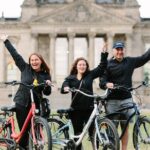
- Reichstag and the rise of the Nazis: Why this stop isn’t just a photo op
- Checkpoint Charlie and a remaining Wall stretch: Seeing the Cold War for real
- Brandenburg Gate and Museum Island: Classic Berlin views, paced for cyclists
- Bebelplatz: Prussian Berlin’s center, and how it connects to today
- Guides make the difference: Humour, safety, and clear explanations
- Price and value: Why $37 for 3 hours can be a smart move
- Who should book this tour (and who might skip it)
- Quick practical tips to get the most out of your 3 hours
- Should you book this Berlin Highlights Bike Tour?
- FAQ
- Where is the meeting point for the Berlin Highlights 3-Hour Bike Tour?
- How long is the bike tour?
- What is included in the tour price?
- Does the tour run in bad weather?
- Is the tour guide available in English?
- Can I get a refund if my plans change?
Key highlights at a glance
- Alexanderplatz start point at the Fat Tire Tours office near the Fernsehturm (TV Tower)
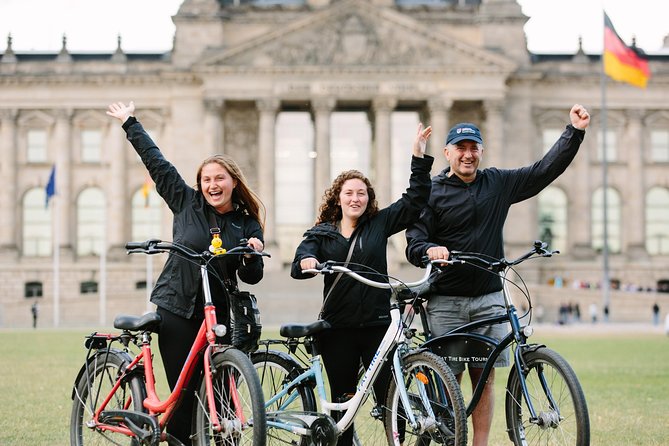
- Reichstag talk that connects the building to Germany’s darkest political rise
- Checkpoint Charlie + visible Wall segment so the Cold War feels real
- Brandenburg Gate and Museum Island with classic Berlin views on a bike
- Bebelplatz visit for the Prussian-era center-of-power context
- Flat, short-distance riding that works for first-time cyclists
Meeting at Alexanderplatz: The Fat Tire Tours office and what to do first
Most “highlights” tours fail at the start, because you spend half your time hunting for a meeting point. This one starts where it’s easiest: the Fat Tire Tours office at the base of the giant Fernsehturm (TV Tower) in Alexanderplatz. Look for the Fat Tire Tours signs and flags.
Once you arrive, you’ll pick a bike from the comfortable city-cruiser style fleet. The ride setup is part of the value here. You’re not just handed a bike and pointed toward monuments. Your guide helps you get ready and keeps the first stretch calm so you can focus on the city instead of your balance.
Practical note: tours run rain or shine, so dress like Berlin is going to do what Berlin does. Closed-toed shoes are recommended, and you’ll feel better if you bring something that handles wet pavement.
You can also read our reviews of more tours and experiences in Berlin.
The ride style in Berlin: Easy pace, short hops between stops
This tour earns its “highlights” label because the route is planned so you don’t cycle long distances between major sights. That matters more than you’d think. In a city full of broad streets and traffic, shorter stretches mean fewer moments where you’re deciding where to look, where to ride, and when to brake.
The overall feel is also very “bike-friendly Berlin.” One rider mentioned the route added up to around 9 km total, which helps explain why the three hours don’t feel dragged out. Expect a pace that supports stops for questions and photos, not just quick monument sightings.
Traffic is real, though. A couple of riders flagged busy intersections where you’ll need to pay attention. The upside is that the route spends most of its time away from constant stress, and the guide keeps things moving safely.
If you’re the type who gets tired fast on walking tours, this bike format is a strong alternative. And if you’re comfortable riding but hate complicated logistics, the simple structure—meet, bike, stop, learn, ride—works.
Reichstag and the rise of the Nazis: Why this stop isn’t just a photo op
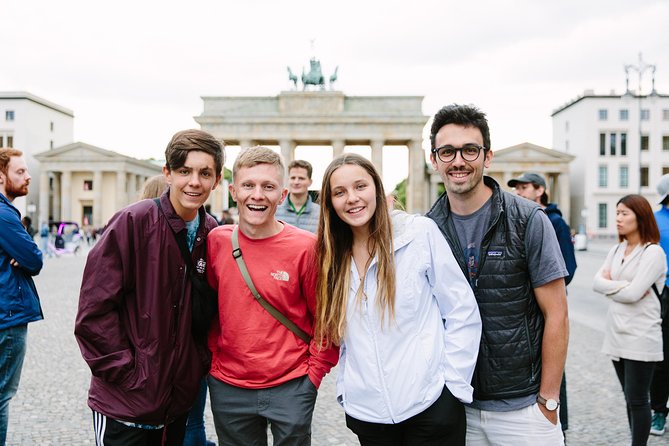
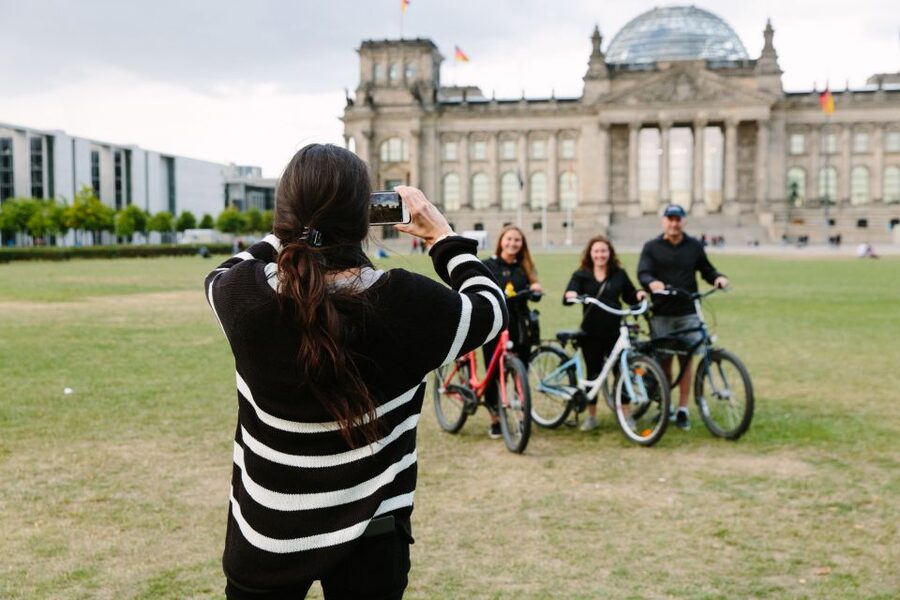
The Reichstag is the kind of place people recognize instantly, even if they’ve never studied German history. On this tour, it’s not treated as a checklist item. You’ll get a discussion that connects the building to the rise of Hitler and the Nazi party—so the stop has meaning, not just architecture.
What I like about this approach is that it gives you a timeline you can hold onto while you look. When you understand why political power shifted the way it did, the Reichstag stops being a landmark and starts feeling like a turning point you’re physically standing near.
You’ll also get context that helps you place the later Berlin Wall era in the same big story. Berlin’s 20th-century history doesn’t sit in one neat chapter—it overlaps, fractures, and returns in different forms. The guide’s job is to help you connect those dots while the city is still in front of you.
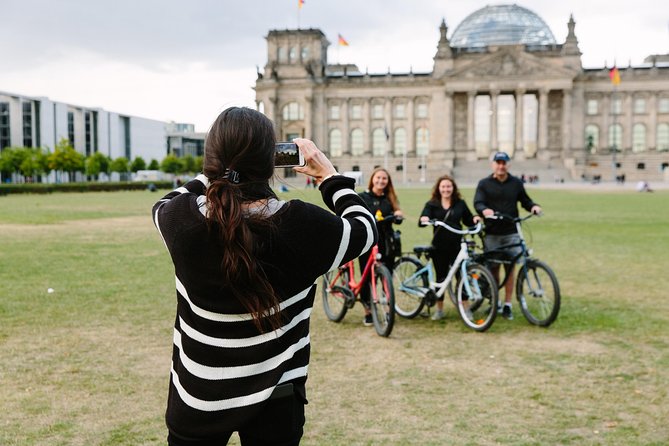
Photo tip: at stops like the Reichstag, take a moment to step back and frame wider. A quick zoom shot is fine, but a wider photo helps you remember what the building looks like in relation to the surrounding government district.
Checkpoint Charlie and a remaining Wall stretch: Seeing the Cold War for real
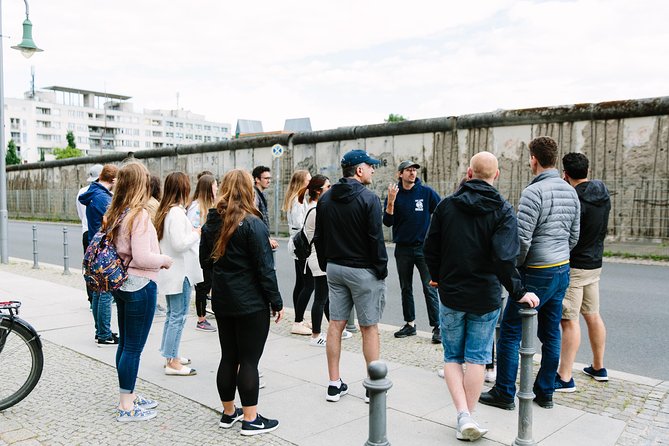
Berlin’s Wall story is famous—so it’s easy to think you already know it. Then you see a remaining stretch in person and it lands harder.
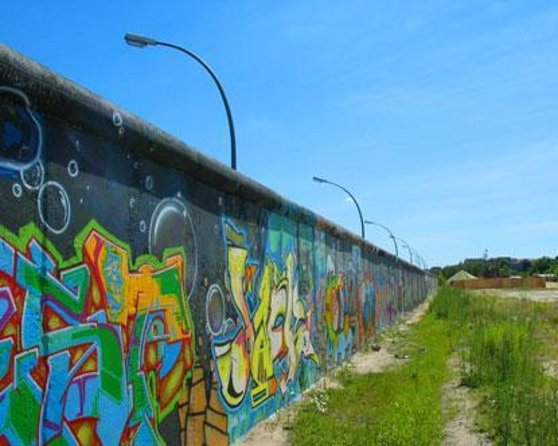
On this tour you go to Checkpoint Charlie, plus you’ll see a portion of the Berlin Wall that still exists. The value here is that you’re not just hearing about the Cold War; you’re watching how the city holds onto the evidence. The Wall remnants are the kind of thing that turn abstract politics into street-level reality.
Checkpoint Charlie also works well on a bike, because you can move past the modern, tourist-heavy parts and still get your bearings on the broader area. And because the tour includes time for questions, you can ask the kinds of things that don’t show up in a quick museum label.
One practical consideration: this is a popular area. Even with a guide managing the group, it’s smart to move efficiently during picture stops. Have your phone ready before you dismount, so you spend less time shuffling in a crowd.
Brandenburg Gate and Museum Island: Classic Berlin views, paced for cyclists
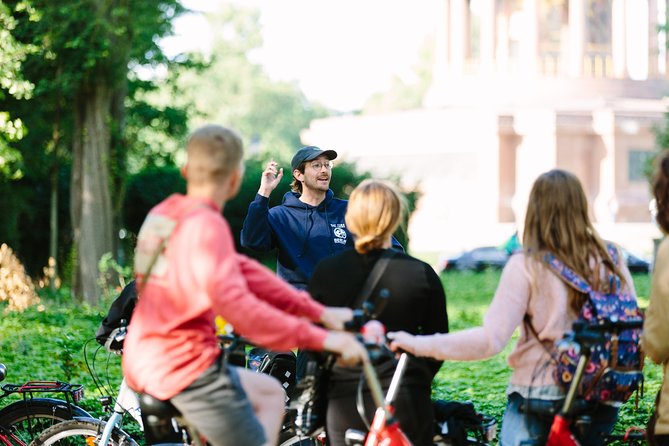
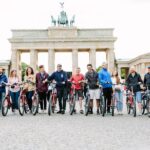
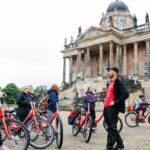
If you’ve only got a few hours in Berlin, the Brandenburg Gate is the “yes, I’m really here” moment. This tour includes it, along with Museum Island—and that combination is more than scenery.
Here’s why it works: Brandenburg Gate is symbolism. Museum Island is cultural weight. Seeing them on one ride helps you connect two different sides of Berlin’s identity—power and ideas, monuments and museums—without having to plan separate trips.
The bike format also makes these stops feel less rushed. You’re not hauling yourself across the city on foot. You can arrive with energy, take the photos, and then listen while your guide explains what you’re looking at.
A tip for photos: Museum Island viewpoints can look best when you pay attention to angles along the water and the spacing between buildings. Even if you’re not doing a professional shot, a quick change in where you stand can make your picture feel more “Berlin” and less “standing in front of a building.”
Bebelplatz: Prussian Berlin’s center, and how it connects to today
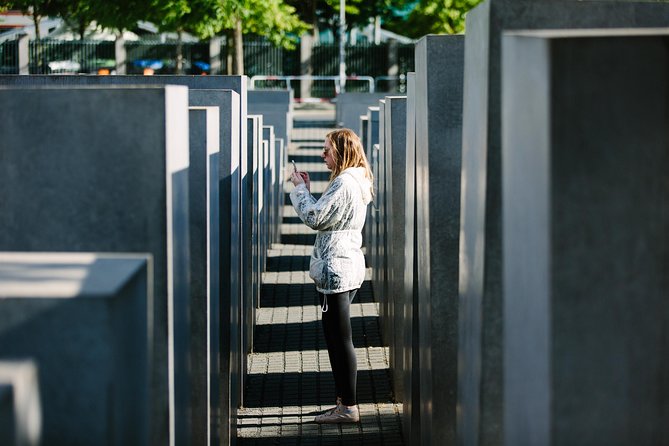
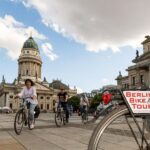
One stop people may not expect is Bebelplatz. This is where you’ll visit the center of Prussian Berlin, and it’s a smart counterweight to the more dramatic 20th-century sites.
What I like about adding Bebelplatz is that it reminds you Berlin didn’t start with the Third Reich or the Wall. The city has older layers of political and cultural power, and Prussian Berlin helps you understand the foundations underneath later events.
On a bike tour, this kind of stop also helps balance the emotional intensity of the Wall and the Reichstag talk. It gives your brain a breather while still teaching you something you can carry forward when you wander the city on your own after the ride.
If you’re the type who likes to understand a place before you explore it, Bebelplatz is a payoff stop. If you only want dramatic moments, you might find it more thoughtful than flashy. Either way, it adds structure to the bigger story.
Guides make the difference: Humour, safety, and clear explanations
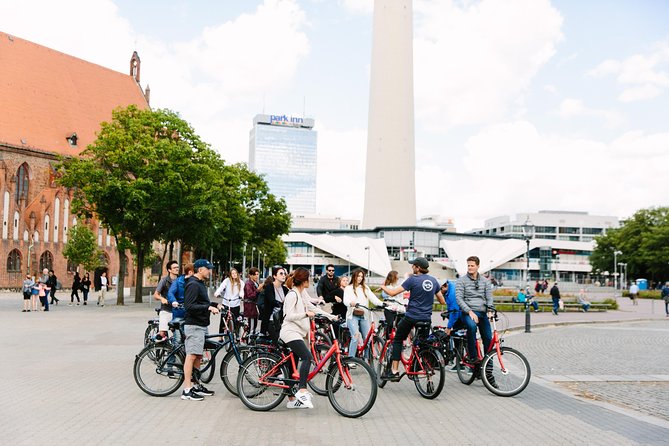
A big part of why this tour scores so high is the human factor. You’ll go out with an experienced English-speaking guide, and the guides are known for mixing history with a lively tone.
Names you may see include Sam, Thor, Michele, Maggi, Carlo, Yael, and Nick. Each brings their own style, but patterns show up: guides explain clearly enough for real questions, and they keep the group confident and safe on the ride.
A few standout guide details you can look for:
- Some guides use photos from the past to help you visualize what changed.
- Maggi has been known to draw a chalk map to explain the story.
- Guides often handle wet weather well, with one rider noting efforts to keep the group dry during snow.
Safety matters most on a bike tour through a city like Berlin. The ride feels easy in large part because your guide manages the flow and reminds you where to watch your footing and where to be careful at intersections.
Group size can also affect comfort. One rider mentioned an 8-person group felt good for moving through traffic. That’s a nice size because it stays controlled without feeling cramped.
Price and value: Why $37 for 3 hours can be a smart move
At $37 per person for a 3-hour tour, the value is strongest if you compare it to two common alternatives: piecemeal transit + multiple self-guided visits.
You’re paying for three things bundled together:
- Bike and helmet option (helmet is provided, but optional)
- An experienced guide who connects landmarks to storylines
- Time-saving planning, because you’re not figuring out the best order or the easiest way to move between key sites
A short tour also matters in Berlin, because once you start spending a full day on long distances, you can burn hours without feeling like you got answers. This format gives you both motion and context. You cover a lot of ground in a relatively compact window, and you leave with a mental map of how Berlin’s political chapters connect.
Is it worth it if you prefer to wander alone? If you enjoy planning your own routes and reading labels slowly, you might skip this and do museums at your own pace. But if you want an efficient introduction that you can build on later, $37 for three hours is hard to beat.
Who should book this tour (and who might skip it)
This is ideal for:
- First-time visitors who want a guided orientation to the big Berlin landmarks
- People who like history but don’t want to spend the day in lecture-mode
- Cyclists who want an easy ride through central areas with frequent stops
- Families and mixed ages, since the stops include frequent pauses and you’re not cycling long stretches
You might reconsider if:
- You’re the kind of person who needs long, quiet time at each stop. The tour is designed for momentum, so lingering is limited.
- You get stressed by intersections or prefer totally car-free routes. The ride is mostly calm, but you’ll still be in a real city.
Quick practical tips to get the most out of your 3 hours
- Wear closed-toed shoes. Berlin streets plus bike travel is not the time for flimsy footwear.
- Dress for weather even if the forecast looks calm. The tour runs rain or shine.
- Bring a phone with enough battery. You’ll stop for photos, and the city’s contrast moments are memorable.
- Ask questions early. Guides do well when you share what you’re curious about, especially around the Reichstag and Berlin Wall topics.
- If you’re riding in a group, keep your helmet optional only if you truly feel comfortable. It’s provided either way.
Should you book this Berlin Highlights Bike Tour?
I’d book it if you want a tight, well-timed introduction to central Berlin with a guide who explains why these places matter. The blend is strong: Reichstag for political turning points, Checkpoint Charlie and Wall remnants for Cold War reality, Brandenburg Gate and Museum Island for classic sights, and Bebelplatz for the older Prussian backbone.
Skip it if you’re chasing slow, museum-style pacing, or if you dislike any schedule that keeps moving. For most people, three hours is the sweet spot: enough time to learn the structure, not enough time to get bored.
If you’re arriving in Berlin and want one high-impact activity that helps everything else click later, this is a solid choice.
FAQ
Where is the meeting point for the Berlin Highlights 3-Hour Bike Tour?
You meet at the Fat Tire Tours office at the base of the Fernsehturm (TV Tower) in Berlin’s Alexanderplatz. The office is marked with Fat Tire Tours signs and flags.
How long is the bike tour?
The tour lasts 3 hours.
What is included in the tour price?
The tour includes a comfortable city-cruiser style bike, an experienced English-speaking guide, and a helmet is provided but optional.
Does the tour run in bad weather?
Yes. Tours run rain or shine, so dress comfortably for the weather.
Is the tour guide available in English?
Yes. The tour is run with an English live tour guide.
Can I get a refund if my plans change?
Yes, you can cancel up to 24 hours in advance for a full refund.