REVIEW · BERLIN
Berlin Highlights Sightseeing Bike Tour in Small Groups
Book on Viator →Operated by Berlin on Bike · Bookable on Viator
Berlin is easier to read on a bike.
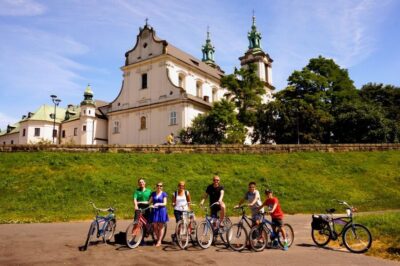
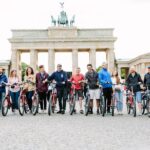
You get a small-group ride that feels personal, plus frequent stops for photos and guided storytelling between iconic landmarks like the Brandenburg Gate and the East Side Gallery.
This is a strong way to cover a lot of ground without rushing, especially if it’s your first day in Berlin. You’ll glide past the Federal Chancellery, the Reichstag, the Holocaust Memorial, Checkpoint Charlie, Gendarmenmarkt, and Museum Island, with context at each stop instead of just scenery.
One thing to plan for: the group’s pace is shared, so if you’re faster or slower than average you may feel the ride adapt at intersections.
In This Review
- Key highlights you’ll actually feel on the ride
- Why this Berlin bike tour is such a practical first-day move
- Meeting at KulturBrauerei: the ride starts where local Berlin starts
- How the “small-group” size changes the experience
- Stop-by-stop: what you’ll see and why each part matters
- KulturBrauerei: architecture you’ll notice more after the guide’s notes
- Berlin Wall Memorial: where the ride turns from views to meaning
- Federal Chancellery and the Reichstag: power, government, and place
- Brandenburg Gate and the Holocaust Memorial: iconic and essential
- The Tiergarten pause: Victory Column and a park break that actually refreshes you
- Victory Column: a national monument you can see clearly from the ride
- Checkpoint Charlie: the crossing that explains East-West friction
- Gendarmenmarkt and Bebelplatz: architecture plus a darker literary moment
- Museum Island: why it’s more than a museum postcard
- Pace and safety: what it feels like in real traffic and crossings
- The value of $43.53: what you’re really paying for
- Guides make or break it—and this one sounds consistently strong
- What to bring and how to prepare for an all-weather Berlin ride
- Who should book this bike tour (and who might want a different option)
- Should you book the Berlin Highlights Sightseeing Bike Tour?
- FAQ
- How long is the Berlin Highlights Sightseeing Bike Tour?
- What’s included in the price?
- What language is the tour offered in?
- How big is the group?
- Is there a minimum age?
- Do I get a refund if the weather is poor or I cancel?
Key highlights you’ll actually feel on the ride
- Max 15 riders for a guide who can keep an eye on the whole group
- Easy pace with regular photo breaks so you’re not just pedaling through names
- Big Berlin icons in one sweep: Brandenburg Gate, Reichstag, Holocaust Memorial, Checkpoint Charlie
- Comfort extras included: bicycle and helmet (and the bikes tend to be well kept)
- Multiple guides with real local angles (I saw names like Isabelle, Niels, Anthony/Andy, and Thomas repeatedly in feedback)
- A “think and see” route that pairs celebration sites with remembrance sites
Why this Berlin bike tour is such a practical first-day move
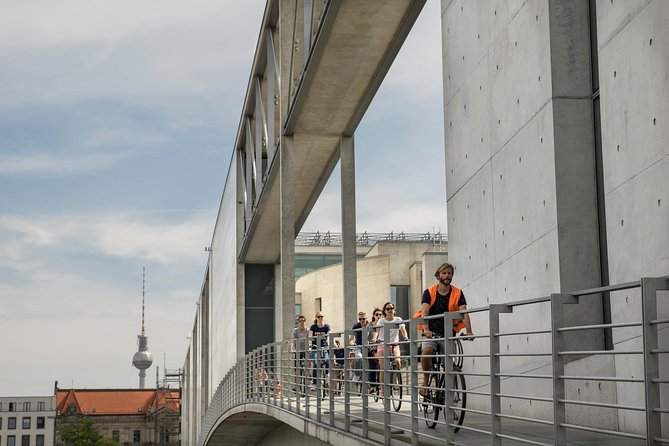
Berlin can feel spread out. Even if you love walking, you can burn time just crossing neighborhoods and figuring out the route. A bike tour like this is built for getting your bearings fast, then letting you come back later for the details you care about most.
The tour is also timed well for what you want on day one: a long enough loop to connect key sights, but not so long that you’re cooked by hour two. At roughly 3.5 hours, you’ll leave with a mental map, not just photos on your phone.
You can also read our reviews of more tours and experiences in Berlin.
Meeting at KulturBrauerei: the ride starts where local Berlin starts
The tour kicks off at Berlin on Bike’s starting point in the Kulturbrauerei area (Knaackstraße 97). It’s a good starting choice because the neighborhood has that “Berlin now” feeling—industrial buildings turned into cultural spaces—so you’re not starting the day in tourist limbo.
Once you arrive, you’ll be set up with your bike and helmet. That matters more than it sounds. A comfortable bike keeps your posture relaxed, which makes the whole loop feel easy even when you’re stopping and starting a lot.
How the “small-group” size changes the experience
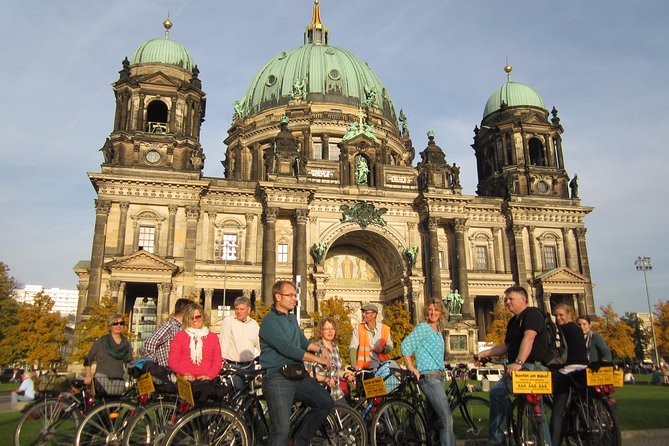
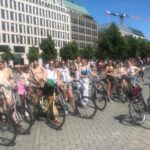
This is capped at 15 travelers, and that’s not just a number. In a group that size, the guide can actually manage the bike flow at crossings, keep people together, and explain what you’re looking at without talking over everyone.
It also helps with questions. Multiple guide names came up in feedback—Isabelle, Niels, Anthony/Andy, Thomas, and Brendan among them—each with a slightly different style, but the common thread was stopping long enough to answer real questions, not just deliver a script.
Stop-by-stop: what you’ll see and why each part matters
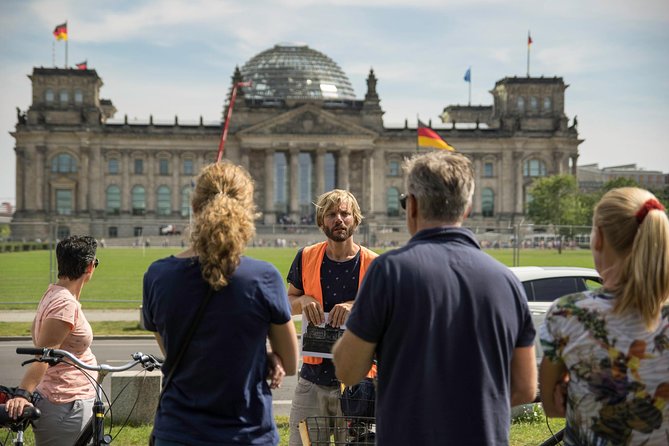
This route is designed like a guided walk, except you’re traveling between the points faster and smoother. You’ll stop often enough to get photos, but also not so often that the day becomes a series of bike standstills.
KulturBrauerei: architecture you’ll notice more after the guide’s notes
Your loop begins with the KulturBrauerei ensemble. It’s a large preserved set of buildings with courtyards and late-19th-century industrial character, listed as a protected building. On your own, you might just see cool brickwork. With a guide, you’ll understand why it’s still standing and what makes it a notable industrial monument.
This early stop is also a warm-up. You’re getting the explanation before the “big-name” landmarks, so you’re already in Berlin context before the tour hits major sites.
Berlin Wall Memorial: where the ride turns from views to meaning
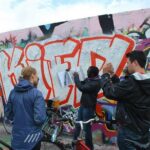
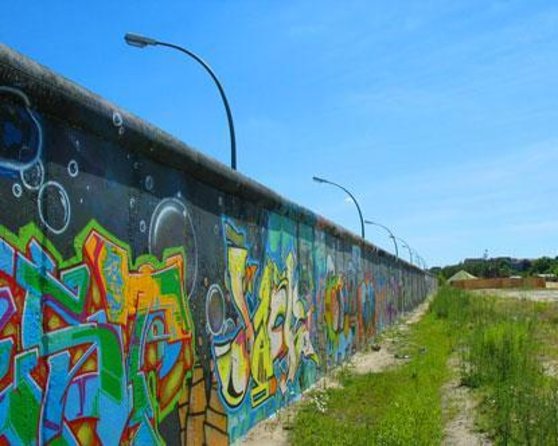
Next comes the Memorial of the Berlin Wall. This part is about the division of Berlin and the deaths associated with the Wall. It’s a different tone than the photo-heavy sites, and you’ll feel that shift when you arrive.
Even if you know the basics, a guide-led stop helps you connect what you see to the human stories behind the history. It’s the kind of moment that makes the rest of the tour click, because you start noticing how political decisions shaped the city’s layout.
Federal Chancellery and the Reichstag: power, government, and place
Then you’ll roll past the Bundeskanzleramt (the Federal Chancellery). It’s an official seat connected to the tasks of the German Federal Chancellor. It’s not a “pretty postcard” stop, but it’s useful for understanding modern Germany’s political center.
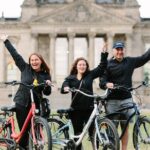
After that, the tour reaches the Reichstag building, seat of the Bundestag since 1999, with the German Federal Assembly meeting there as well. The Reichstag is one of those buildings where the setting matters. You don’t just look at it—you start recognizing how this part of Berlin functions today, not only in past chapters.
Brandenburg Gate and the Holocaust Memorial: iconic and essential
The Brandenburg Gate is one of Berlin’s instant-recognition landmarks. It’s described as an early classicist triumphal gate, sitting near Pariser Platz in Mitte. This stop works because the guide gives you a sense of what the gate symbolizes—and how it fits into Berlin’s changing eras.
Right after, you’ll stop at the Memorial to the Murdered Jews of Europe (often called the Holocaust Memorial). This is a solemn site built to commemorate the approximate six million Jews murdered under Nazi rule. You’ll get the reason for the memorial and the significance of the location, which turns “seeing” into understanding.
I like pairing these stops on a bike tour because they prevent the “just famous buildings” problem. You’re not only moving between monuments; you’re building a timeline of Berlin.
The Tiergarten pause: Victory Column and a park break that actually refreshes you
Later, the route heads into a central park area where you’ll spot things like the Victory Column area and landmarks tied to the Tiergarten. One stop description even points to the region around the Berlin Zoological Garden, the Victory Column, and the Café am Neuen See.
That’s practical. A planned park portion gives your legs and your brain a break. One review also mentioned a timed coffee stop during the ride—exactly the kind of break that makes a 3.5-hour tour feel lighter.
Victory Column: a national monument you can see clearly from the ride
You’ll also make a dedicated pass by the Victory Column. It’s one of Berlin’s key national monuments, with the winged statue of Victoria. From a bike, you can approach and view it from multiple angles without needing to hunt for the perfect viewpoint on foot.
Checkpoint Charlie: the crossing that explains East-West friction
Next comes Checkpoint Charlie, one of Berlin’s famous Wall-era border crossings. It connected the Soviet and American sectors and linked the districts of Mitte and Kreuzberg. This is another stop where the bike format helps: you can move through the broader area while the guide keeps the story anchored.
The best part of this kind of stop is how quickly it transforms street-level sights into a mental map of where borders ran.
Gendarmenmarkt and Bebelplatz: architecture plus a darker literary moment
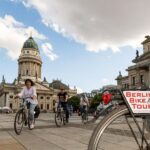
You’ll then ride to Gendarmenmarkt, rebuilt after World War II and known as a square tied to the historical Gens d’armes regiment. It’s one of those places where you’ll appreciate the symmetry more once you’re told what was destroyed and what was rebuilt.
After that, you’ll stop at Bebelplatz. It’s tied to the Forum Fridericianum and Frederick II’s planning. It’s also famously linked to 1938 book burnings by the Nazis. This is a strong “Berlin isn’t all happy monuments” moment—and guides usually handle it with care.
Museum Island: why it’s more than a museum postcard
The tour reaches Museum Island, which is a key museum complex on Spree Island in Berlin’s historic center. It’s a big deal for art and learning, but even without going inside, the island’s setting makes sense when someone connects it to Berlin’s long tradition of culture and institutions.
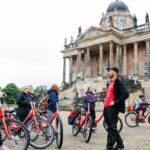
You’ll also pass by the Berliner Dom am Lustgarten, a Protestant church and dynastic burial place. Even if you don’t go inside, it’s the kind of building that helps you understand Berlin’s architectural scale and spiritual/civic role.
Pace and safety: what it feels like in real traffic and crossings
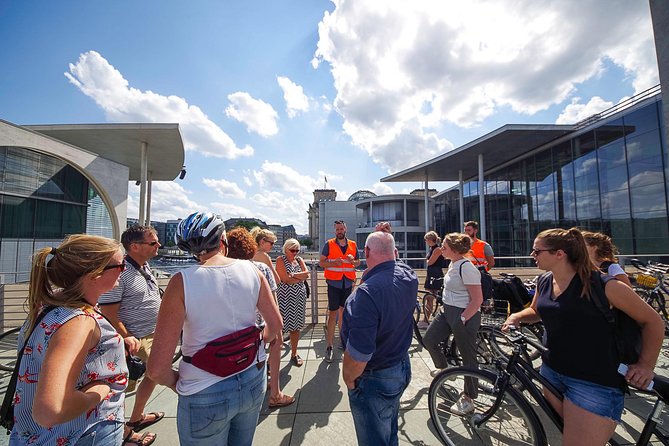
Berlin is often described as flat and bike-friendly, and that checks out in how this tour runs. Reviews repeatedly mention the ride feels easy, with one short hill near the end for some groups.
Traffic exists—big intersections can be the most stressful part of any city bike day. The good news is the tour is structured for safety and group control, and several reviews specifically said it felt safe even during busy stretches.
The trade-off is simple: you ride as a group. If someone in front is cautious at a light, the whole line moves with that rhythm. One piece of advice: if you’re the sort of rider who likes to sprint between stops, switch into scenic-mode early. The value here is the guide’s commentary, not racing across Berlin.
The value of $43.53: what you’re really paying for
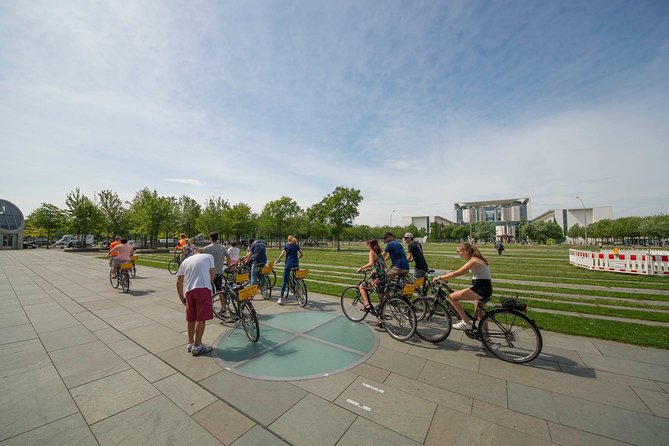
At $43.53 per person for about 3 hours 30 minutes, this is good value for a guided loop that hits major landmarks and memorials. You’re not just paying for a bike; you’re paying for:
- a local guide who links sites together into a story
- time-saving movement between far-apart points
- stops that slow down just enough for context and photos
Also, the essentials are covered: bicycle and helmet are included, and you don’t need to arrange your own transport or bike rental.
What’s not included is food and drinks, and there’s no hotel pickup. That’s normal for this style of tour, but it does mean you should plan for water and a snack (or expect to find a café stop along the way if your guide builds one in).
Guides make or break it—and this one sounds consistently strong
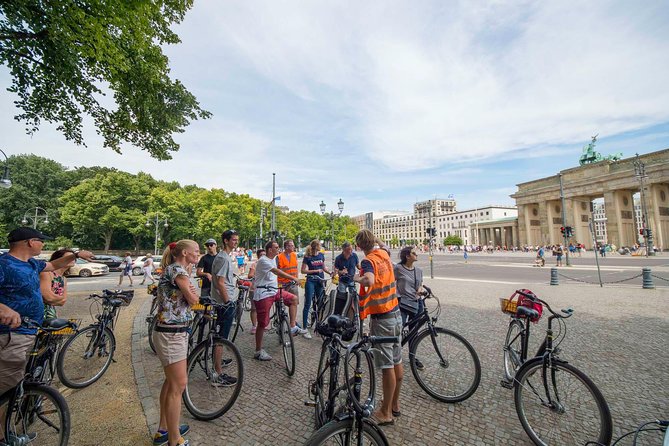
A big part of the tour’s reputation is that guides don’t just point and move on. Names that came up often in feedback include Isabelle, Niels, Anthony/Andy, Anastasia, Ollie, Yves, Thomas, Angus, Matt, Frey, Brendan, Paul, and Pete. Different people, same goal: explain what you’re seeing and answer questions while keeping the ride smooth.
One review-style theme I’d bet you’ll feel: the guide treats the tour like an education with personality. If you’re into history, you’ll get background. If you’re not, you’ll still get enough to understand why these places matter.
What to bring and how to prepare for an all-weather Berlin ride
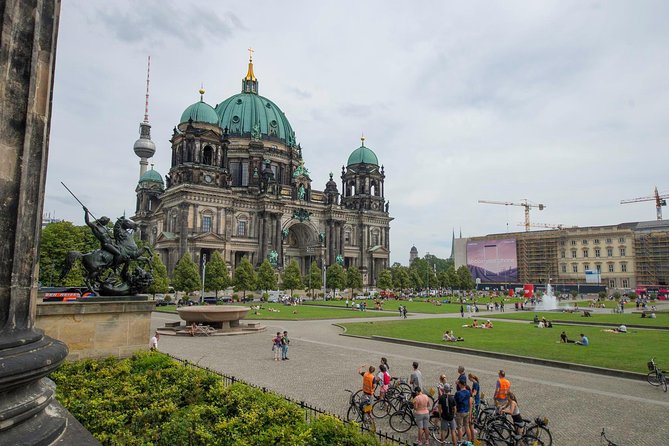
This tour operates in all weather conditions and asks you to dress appropriately. Berlin weather can swing, so bring layers and a rain plan. Even if you don’t own anything fancy, a light rain layer helps.
You’ll also want to come with comfortable footwear. You’ll be on and off the bike for short stops, so don’t show up in shoes you wouldn’t wear for a normal city stroll.
And because it’s a mobile-ticket tour, have your ticket ready on your phone.
Who should book this bike tour (and who might want a different option)
This tour is a great fit if you:
- want a first-day overview of Berlin’s top sights without the logistics
- like your history with context at the actual locations
- enjoy cycling but don’t want an intense workout
- prefer small-group attention over a large herd
It may not be ideal if you:
- have trouble riding confidently in a group flow
- need total freedom to go faster or linger longer than the group allows
- want lots of time inside buildings (this tour focuses on guided stops and views rather than long indoor visits)
Should you book the Berlin Highlights Sightseeing Bike Tour?
Yes, if you want the smartest way to see Berlin’s major landmarks and memorials in one guided loop. With a 15-person cap, bike and helmet included, and a route that mixes big icons with reflective stops like the Holocaust Memorial, it’s a practical choice for short stays.
If you’re planning only one guided activity in Berlin, this is the one I’d lean toward. Just ride it for the story, not for speed, and you’ll come away with a clear sense of where everything fits.
FAQ
How long is the Berlin Highlights Sightseeing Bike Tour?
The tour lasts about 3 hours 30 minutes.
What’s included in the price?
The tour includes a local guide, bicycle use, and a helmet. Food and drinks are not included.
What language is the tour offered in?
The tour is offered in English.
How big is the group?
The tour has a maximum of 15 travelers.
Is there a minimum age?
The minimum age is 8 years.
Do I get a refund if the weather is poor or I cancel?
Free cancellation is available up to 24 hours in advance for a full refund. If the experience is canceled due to poor weather, you’ll be offered a different date or a full refund.