REVIEW · BERLIN
Berlin City Bike Tour with Beer Garden Stop
Book on GetYourGuide →Operated by Fat Tire Tours - Berlin · Bookable on GetYourGuide
Berlin history hits different when you pedal through it. This full-day guided bike tour strings together the Wall, Nazi-era sites, Prussian landmarks, and today’s government quarter in one smooth loop.
I especially love how the route gives you both the big-picture story and the close-up details, including time at a still-standing Berlin Wall section. You also get a built-in payoff climb at Victory Column, so the day ends with a view, not just photos.
The main drawback: it is not a casual walk pace. If your legs aren’t comfortable riding for hours (even on a cruiser bike), you’ll feel it.
You’ll also appreciate the beer garden lunch stop in Tiergarten, because it’s timed right for a reset during a long sightseeing push. Guides run in English and keep the group moving with frequent stops to talk through what you’re seeing.
One more consideration: food and drinks aren’t included, so plan on paying for lunch and any extras at the beer garden.
In This Review
- Key highlights worth centering on
- Berlin on Two Wheels: The Easy Ride Setup
- Wall Lines and Checkpoint Charlie: Berlin’s Division, Up Close
- Hitler’s Bunker Site and the Reichstag Fire: Hard Topics, Clear Direction
- Tiergarten to Victory Column: A Real Viewpoint Break
- Bebelplatz and Prussian Berlin: The Power Center Before the Storm
- Brandenburg Gate, Museum Island, and Gendarmenmarkt: Berlin’s Present in Context
- Lunch in Tiergarten: How to Pace a 5.5-Hour Day
- Price and Value for About $81: What You’re Buying
- Full-Day vs the 3-Hour Version: Choosing the Right Time Budget
- Should You Book This Berlin Bike Tour?
- FAQ
- What’s included with the Berlin City Bike Tour?
- How long is the full-day tour?
- Is the tour offered in English?
- Does the tour run in bad weather?
- Where does the tour meet?
- What do I need to plan for lunch costs?
Key highlights worth centering on
- A still-standing stretch of the Berlin Wall plus time at Checkpoint Charlie
- Victory Column climb is included, which turns sightseeing into a real viewpoint moment
- Hitler’s bunker site and the Reichstag are covered with context for what happened next
- Prussian core landmarks like Bebelplatz to show Berlin before the 20th century shocks
- Tiergarten riding plus a traditional beer garden stop to break up the day
- English-speaking guides who keep the tough topics clear while maintaining safety
Berlin on Two Wheels: The Easy Ride Setup
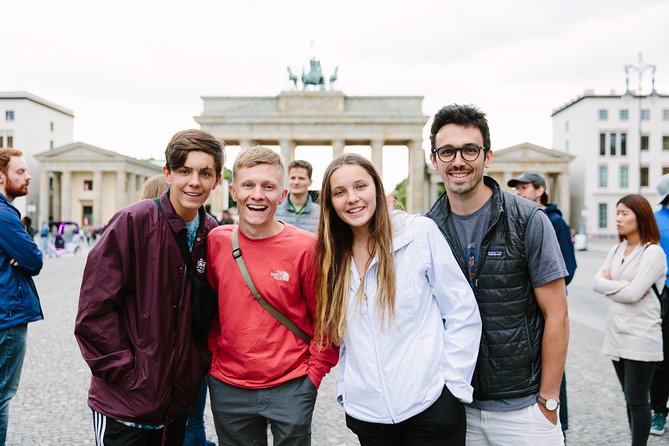
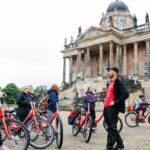
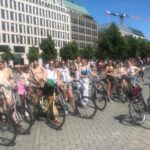
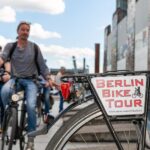
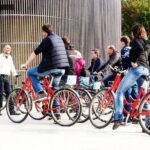
Berlin is one of those cities that rewards you for moving under your own power. The route is built around cruising through central areas, with a pace that lets you listen, stop often, and still make real progress. You’ll be on comfortable city-cruiser style bikes, and helmets are provided (optional, but worth using if you’re cautious on busy roads).
The big practical win here is that you get city access without the constant stop-start of buses and trams. On two wheels, you can glide along wide avenues, then slow down instantly for a wall segment or a landmark photo. That means fewer hours stuck in transit and more hours actually seeing Berlin’s layers.
One small “know before you go” note: the tour runs rain or shine, and rain ponchos are available for sale if needed. If you’re visiting in shoulder season, this matters more than you’d think. Even light rain can make the day feel longer, but you won’t lose the tour.
Safety is part of the setup. You’ll get equipment, the guides manage the group, and the route avoids turning the day into a bike endurance test. That’s why riders who normally prefer a guided day tend to come away feeling like it was manageable rather than strenuous.
You can also read our reviews of more tours and experiences in Berlin.
Wall Lines and Checkpoint Charlie: Berlin’s Division, Up Close

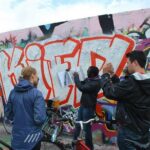
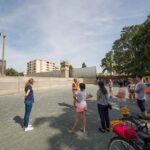
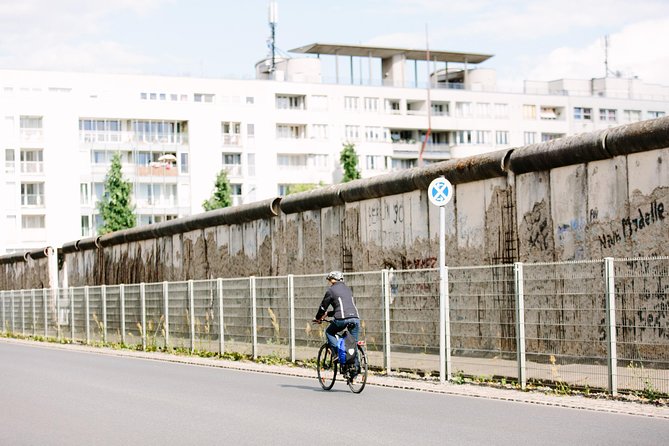
If you want one day that explains Berlin’s 20th-century split without drowning you in paperwork, this is the kind of tour to pick. You’ll go to Checkpoint Charlie, then you’ll circle back to learn from one of the last remaining stretches of the Berlin Wall that’s still standing.
Standing near preserved sections of the Wall does something different than reading about it. The scale and placement make it hard to keep the story abstract. You also get the lead-in and follow-through: what led to the Wall’s fall, and how Berlin handles its past now. You’re not just taking a picture; you’re watching the city explain itself.
Checkpoint Charlie is also a useful anchor point because it gives you a geographic reference. Once you understand where the Wall ran and how key checkpoints fit into the everyday map, the rest of Berlin’s Nazi-era and postwar monuments make more sense. You’ll see how the city’s political geography shaped streets, neighborhoods, and movement.
The other value here is emotional pacing. Berlin’s story is heavy, so you want a guide who can keep things clear rather than chaotic. The guides listed under this tour’s past days show a pattern: they handle questions, keep the group together, and translate complicated events into something you can actually follow while you ride.
Hitler’s Bunker Site and the Reichstag Fire: Hard Topics, Clear Direction
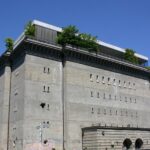
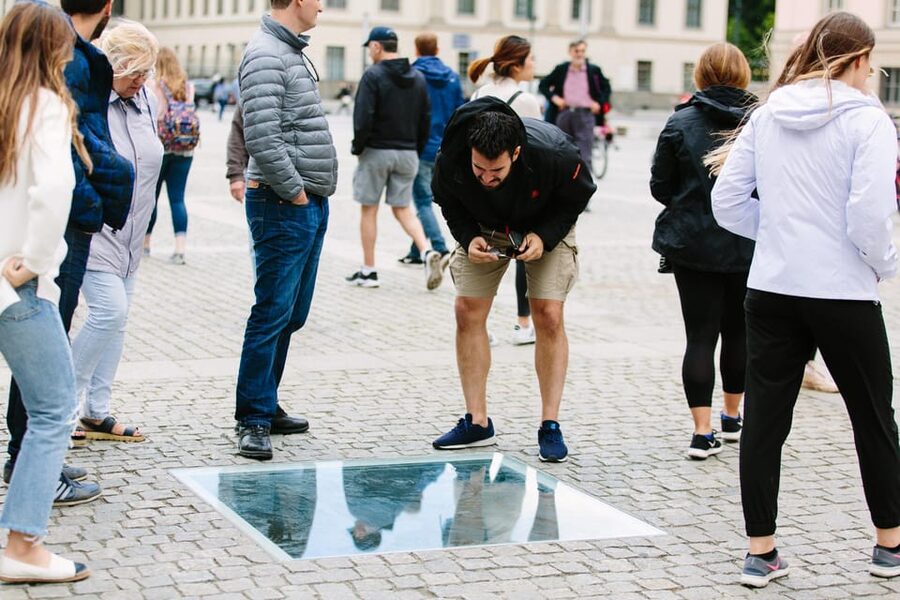
This is the part of the day where the tour earns its seriousness. You’ll stand near the site of Hitler’s bunker and discuss the final days of the Nazis. You’ll also connect the discussion to the Nazis’ notorious book-burning site.
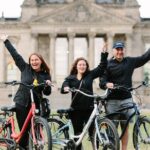
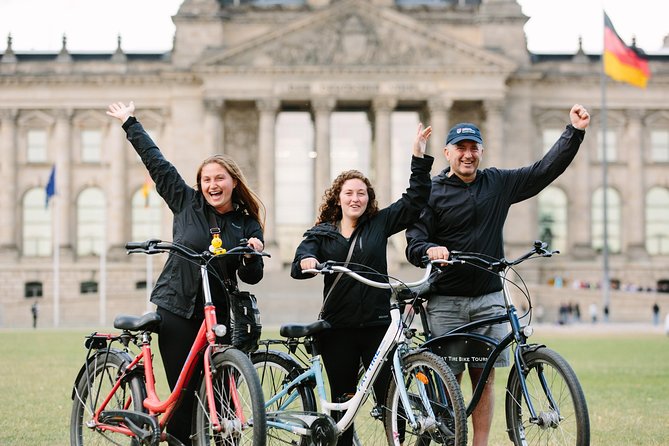
Then the tour moves to the Reichstag. You’ll see it in person and connect the dots: how the Reichstag fire became a turning point that helped fuel Hitler’s rise to power. This is the kind of connection that most self-guided visits don’t make unless you already know the exact dates and motives. Here, the “why it mattered” gets built into the stop.
A practical reason I like including these sites on a bike tour: you’re not only looking at buildings. You’re also moving through the city’s layout. Berlin’s monuments sit in real neighborhoods and real streets, so the political story feels spatial, not stuck in a museum timeline.
And you’ll also feel the difference between eras. Nazi architecture looks one way, Prussian planning looks another, and the postwar government quarter reads completely differently. Riding past each layer helps your brain sort what you’re seeing. It becomes easier to remember.
Tiergarten to Victory Column: A Real Viewpoint Break
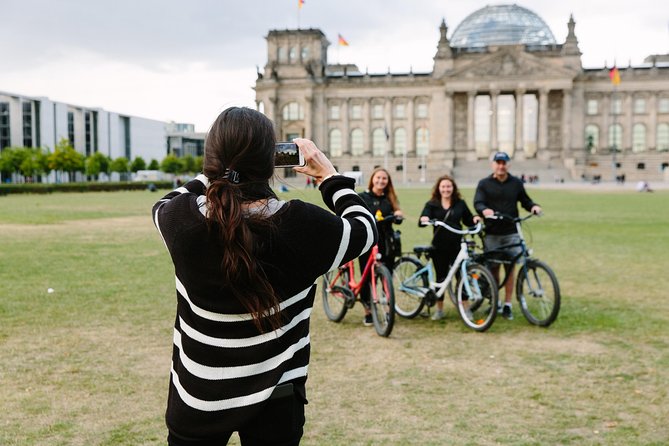
After the most intense historical stops, the day shifts gear toward open space and big-city scenery. You’ll cross through Tiergarten Park and keep the ride comfortable while the guide turns toward what comes after the darkest chapters.
The Tiergarten segment is valuable for two reasons. First, it gives you a lungful of greenery and space when you’ve already taken in heavy sites. Second, it’s a lesson in how Berlin blends symbolism with city life. You’re not in a sealed-off memorial zone; you’re in the middle of a functioning capital.
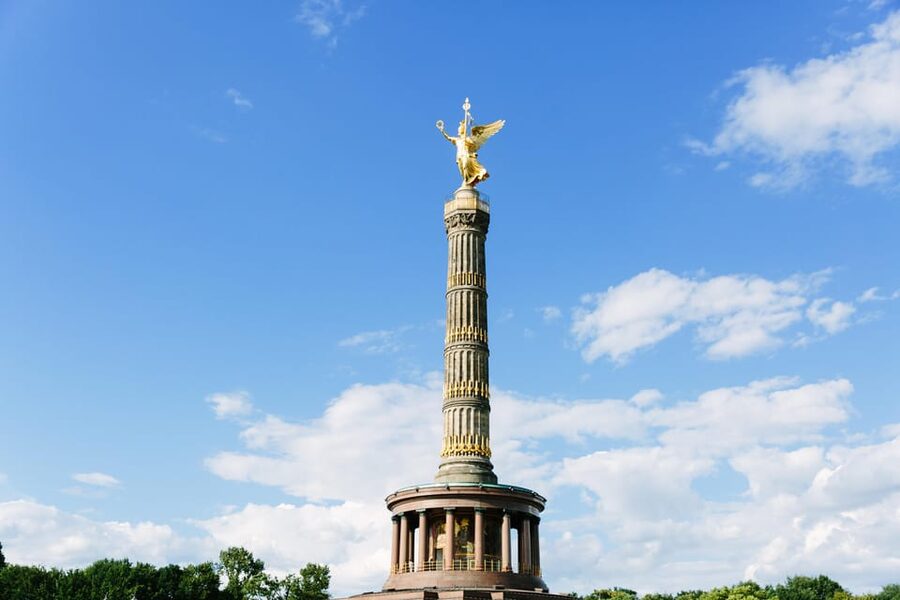
Then comes Victory Column. The tour includes a climb to the top, which is a big deal for value. Lots of city tours point at landmarks from street level; fewer include an actual summit moment where you can look out over Berlin’s scale. If you like your sightseeing with a payoff, this is the moment to care about.
Climbing also changes how you understand the city’s geography. When you can see the avenues radiating out, the tour’s earlier lessons about how Berlin was shaped become easier to grasp. You can connect the Wall area, the central monuments, and the newer governmental surroundings into one mental map.
Bebelplatz and Prussian Berlin: The Power Center Before the Storm
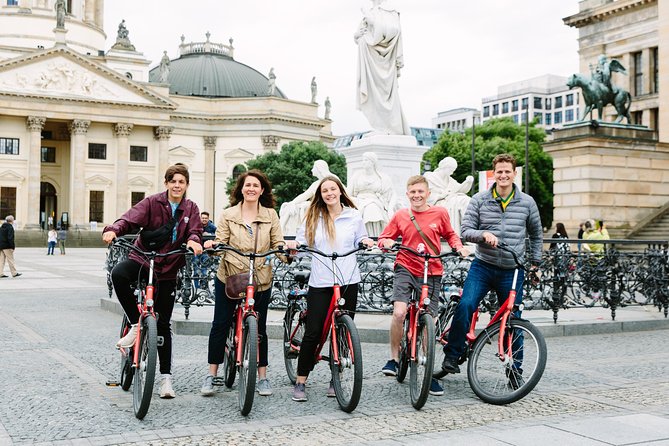
This tour doesn’t only focus on 1930s and 1940s Berlin. It also takes you through the Prussian core, including Bebelplatz, where you can learn about how the Prussians molded Berlin into a European power.
That might sound like a detour, but it’s not. It’s the foundation. If you start your day with the Wall and end with the Reichstag, Berlin’s modern story can feel like it began in the 20th century. Prussian Berlin helps you see that the city’s growth, institutions, and ambitions were already set in motion long before the Nazis took over.
I like this balance because it keeps the day from turning into only trauma tourism. Even when the content is dark, there’s a thread of continuity: Berlin has always been a stage for power, architecture, and political messaging. The Prussian stops show the “how” behind the later spectacle.
And it helps your photos. If you know what Bebelplatz represents, you’ll frame the surrounding civic spaces differently. You’ll start noticing patterns instead of just collecting landmarks.
Brandenburg Gate, Museum Island, and Gendarmenmarkt: Berlin’s Present in Context
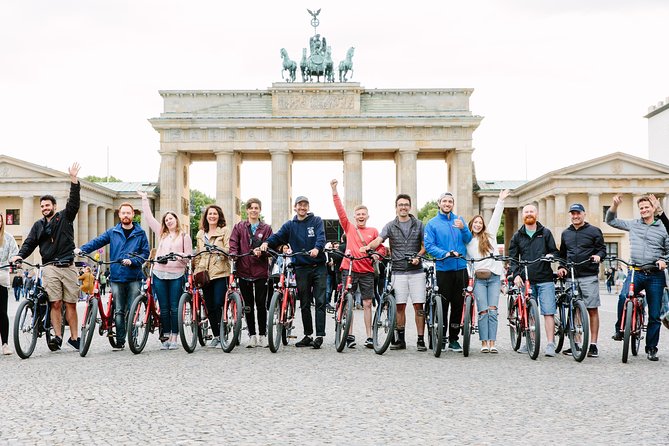
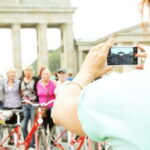
Once you’ve taken on the Wall, the Reichstag, and Prussia’s core, Berlin’s most famous postcard icons land differently. You’ll ride through Brandenburg Gate, cross by Museum Island, and reach Gendarmenmarkt. The guide ties it together so you understand what you’re looking at beyond its face value.
Brandenburg Gate is the classic symbol, but the real magic here is what happens when you already learned why Berlin’s major institutions and power moves mattered. The Gate becomes more than a photo spot. It turns into a checkpoint for your understanding of German history and Berlin’s shifting roles.
Museum Island also feels smarter when you’ve already heard about Berlin as a planned capital and a cultural magnet. It stops being just “pretty buildings by water” and becomes part of how the city built prestige. You’ll get more out of it if you’re the type who enjoys seeing how culture and politics share space.
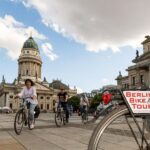
Gendarmenmarkt rounds out the loop with a different vibe, and the ride there helps you break up the heavier sites with architecture that feels more ceremonial. It’s a good rhythm: intense stop, calm ride, architectural reset, then back to story again.
There’s also time for the sprawling new government quarter, so you’ll see how Berlin looks now that it’s fully reunited and functioning as a modern political center.
Lunch in Tiergarten: How to Pace a 5.5-Hour Day
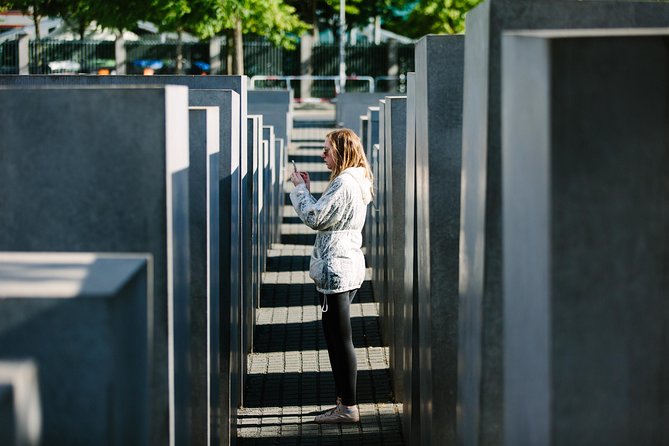
Yes, there’s a lunch stop. You’ll stop at a traditional beer garden in Tiergarten for lunch, but food and drinks are not included in the price. That’s actually a fair setup: you can choose what you want to eat, and you’re not stuck with a single fixed meal.
The timing is smart. By the time you reach this break, you’ve already done the toughest narrative work. A proper pause helps your brain absorb the earlier stops instead of just rushing through them.
One practical tip: because the lunch cost isn’t included, budget extra. Berlin beer garden menus vary, and you’ll likely want a drink after hours on a bike. If you’re traveling with a tighter budget, look at the menu options rather than assuming the lowest-priced item will still be a full meal.
The beer garden setting also works as a social buffer. You get to talk with your guide and fellow cyclists without motion in the mix. That matters when your day includes the Wall and other heavy topics. The reset keeps the day from feeling like one long lecture.
Price and Value for About $81: What You’re Buying
At roughly $81 per person, you’re paying for more than a bike rental. You’re paying for a guided day that covers major sites efficiently, includes helmet gear, and includes the climb to the top of Victory Column.
Here’s how I think about the value. If you tried to recreate this day on your own, you’d need to solve three problems:
- transportation between distant landmarks,
- the context that makes the sites make sense,
- and the ticket-to-viewpoint payoff (Victory Column).
This tour gives you all three with minimal friction. You also ride a comfortable cruiser bike instead of doing a workout on an unfamiliar rental setup.
So the value is strongest if you’re on a first trip to Berlin or you have limited time. If you already know Berlin deeply and prefer museum-style wandering, you might find it more structured than you need. But for most first-time visitors, this price becomes easier to justify because it compresses a lot of “I should see that” items into a single planned day.
Full-Day vs the 3-Hour Version: Choosing the Right Time Budget
This experience comes in multiple formats, including a full-day option and shorter versions (including a 3-hour option). The 3-hour version focuses on some of the biggest hits, such as Brandenburg Gate, Checkpoint Charlie, the Berlin Wall, examples of Nazi architecture, the site of Hitler’s bunker, and the Reichstag.
If you’ve got only half a day, this shorter option can still be a strong introduction. It’s also a good hedge if you’re unsure you’ll enjoy biking for several hours.
If you’re the type who likes to slow down for photos and absorb explanations at each stop, go full-day. That extra time is what lets the day move from Wall and Nazi-era sites into Prussian Berlin and then out into Tiergarten, Victory Column, and the cultural central core.
Should You Book This Berlin Bike Tour?
Book it if you want a high-impact overview of Berlin that ties the city’s hardest history to the places you’ll actually walk past later in your trip. I’d also book it if you like structure but don’t want a rigid museum day. The bike format keeps things moving while still giving you time to talk through what you’re seeing.
Skip it if biking for hours sounds like a deal-breaker. The tour is designed for people who can ride comfortably, and even though the city is set up for cyclists, you’ll still be on the move.
If you do book, arrive a bit early and use the meeting point address: Panoramastraße 1a, 10178 Berlin. One reason I mention this: the tour office is described as easy to spot near the TV tower, but you’ll have the best day if you confirm you’re in the right exact location before the ride starts.
FAQ
What’s included with the Berlin City Bike Tour?
The tour includes a comfortable city-cruiser style bike, an experienced English-speaking guide, and helmet gear (provided but optional). It also includes the climb to the top of the Victory Column. Lunch at a traditional beer garden is a stop, but food and drinks are not included.
How long is the full-day tour?
The duration listed is 330 minutes.
Is the tour offered in English?
Yes. The live tour guide language is English.
Does the tour run in bad weather?
The tour operates rain or shine. Rain ponchos are available for sale if needed.
Where does the tour meet?
The meeting point is at Panoramastraße 1a, 10178 Berlin, Germany (at the local supplier’s office).
What do I need to plan for lunch costs?
Lunch is stopped at a traditional beer garden, but food and drinks are not included in the tour price, so you’ll want to budget for your meal and any drinks.