REVIEW · BERLIN
Berlin: Alternative Berlin Bike Tour
Book on GetYourGuide →Operated by FREE BERLIN Bike Tours · Bookable on GetYourGuide
Berlin by bike feels like a shortcut. This alternative Berlin bike tour moves past the obvious postcard stops and into the city’s real mix—squatters and gentrifiers, hipsters and party crowds, all steered by local guides. FREE BERLIN starts you in Nikolaiviertel, close to the TV Tower, then strings together neighborhoods with a shared undercurrent: Berlin’s history of division and reinvention.
My favorite parts are the pace and the setting. I love the up-to-15 rider size and the plan to stop every 5 to 10 minutes for stories, so you’re not just pedaling through blur. I also love the Spree and Landwehr Canal stretches, where you get to see contrast in motion—urban style clashes with community projects.
One thing to consider: this is not a “stop once for a big monument photo” tour. You’re riding about 15 kilometers at a relaxed speed, on bike paths and side streets, so you’ll want to feel comfortable on a bike for a couple hours.
In This Review
- Key points worth clocking before you go
- Alternative Berlin Bike Tour: What You’re Really Signing Up For
- Meeting at Poststraße 11 and the Gear That Keeps It Easy
- Nikolaiviertel to Kreuzberg: Starting Where Berlin Began
- Friedrichshain and Neukölln: The Wall’s Line Still Shows Up
- Treptow and the Waterfront: Spree and Landwehr Canal Contrasts
- How the Local Guide Drives the Experience (and Why It Matters)
- Route Pacing and Riding Reality: Comfortable, Not a Sprint
- Price and Value: Is $40 a Good Deal Here?
- Who Should Book This Tour (and Who Might Want a Different Style)
- Should You Book Alternative Berlin by Bike?
- FAQ
- How long is the Alternative Berlin Bike Tour?
- How far do we ride?
- Where do I meet the guide?
- Does the tour include a bike?
- Do I get a helmet and rain protection?
- What neighborhoods are included on the route?
- What language is the guide available in?
- Is there an option for an E-bike?
- How big is the group?
- Can I leave luggage during the tour?
Key points worth clocking before you go
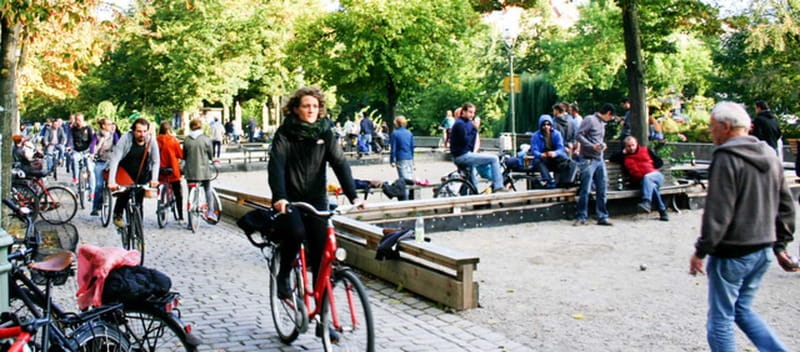
- Small group (up to 15) with frequent stops: you learn often, and you don’t cook your legs on a single long grind.
- Route covers ~15 kilometers in about 3 hours: plan for a real ride, not a stroll.
- Alternative neighborhoods with Wall-era context: Kreuzberg, Friedrichshain, Neukölln, and Treptow help explain how Berlin changed.
- Waterfront contrasts on the Spree and Landwehr Canal: it’s one of the most “Berlin” backdrops you’ll see all week.
- Gear details that make weather easier: bikes have baskets, helmets are available if you request, and waterproof ponchos are provided if it rains.
- Guides in English, German, and French: the stories come from locals who know how to point out what most people miss.
Alternative Berlin Bike Tour: What You’re Really Signing Up For
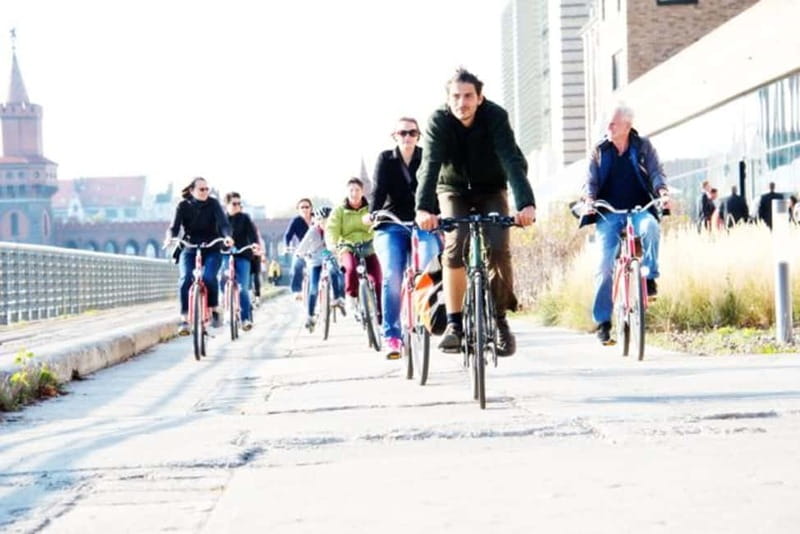
This is a 3-hour alternative Berlin bike tour that’s built around a simple idea: Berlin doesn’t fit one story. You’ll see neighborhoods that look like they belong in different eras at the same time. And you’ll hear why—especially when the guide connects today’s street life to the way the city was divided and then stitched back together.
The tour runs through parts of Kreuzberg, Friedrichshain, Neukölln, and Treptow, with the ride starting in Nikolaiviertel. It’s a good mix of “watch how people live” and “why did this place turn out this way?” That’s how the tour gets to the point of Berlin is poor but sexy—the city vibe is tied to grit, reinvention, and people making room for themselves.
You also get to ride through Berlin’s contrasts in a very practical way. Water fronts like the Spree and the Landwehr Canal aren’t just pretty—they’re where you can see how architecture, planning, and everyday life collide. If you like cities that tell the truth instead of performing for you, this format clicks fast.
You can also read our reviews of more tours and experiences in Berlin.
Meeting at Poststraße 11 and the Gear That Keeps It Easy
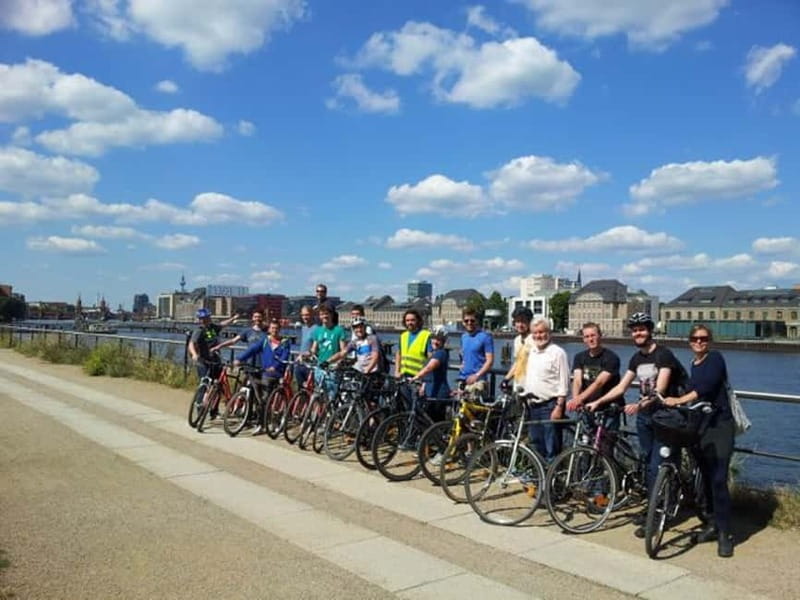
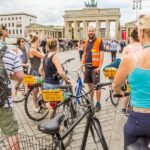
You’ll meet your guide at Poststraße 11, in the courtyard entrance. Look for the FREE BERLIN sign. The start point matters because Nikolaiviertel is near the TV Tower, so you can get oriented quickly even if Berlin still feels like a maze.
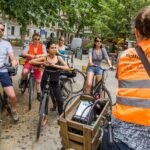
Bike logistics are handled for you in the basic, sensible ways that make tours work. Your rental bike is set up with baskets, and the bikes are regularly serviced by certified mechanics. If you want a helmet, you can request one. And if the weather turns, waterproof ponchos are included—no scrambling for a soggy souvenir jacket.
Large baggage can be left with the operator for the duration of the tour. That’s a real relief if you’re traveling with a bulky bag and want to avoid dragging it around the city while everyone else rolls by looking calm.
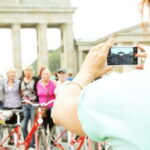
This is also a small-group tour, so you should expect a setup that feels coordinated rather than chaotic. The guide keeps the group together at an easy, relaxed pace, with regular stops so you can catch your breath, check your map, and absorb the stories.
Nikolaiviertel to Kreuzberg: Starting Where Berlin Began
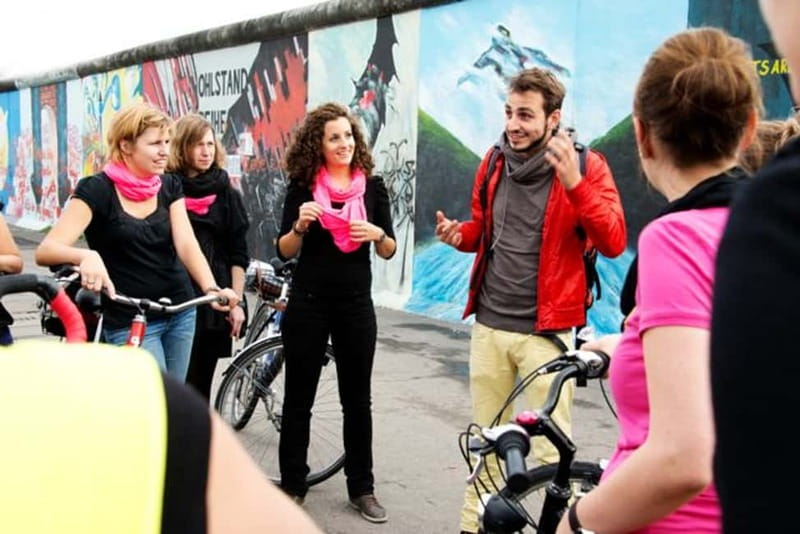
The tour begins in Nikolaiviertel, which is a smart choice for first-time orientation. It’s close enough to major sights that you don’t feel stranded, but it also sets the tone for the rest of the ride: Berlin’s layers, not just one highlight reel.
From there, the route heads into Kreuzberg. Kreuzberg is where you tend to see the city’s attitude up close—new energy rubbing shoulders with older patterns of community and identity. You won’t be stuck in a single lane of “history.” Instead, the guide’s framing helps you understand why certain neighborhoods became magnets for alternative projects.
The practical win here is the first segment gets you comfortable on the bike. You’re not dropped into a punishing loop. You build rhythm, learn how the group rides, and then the stories start to connect the dots between city layout and the “who lives here and why” question.
Friedrichshain and Neukölln: The Wall’s Line Still Shows Up
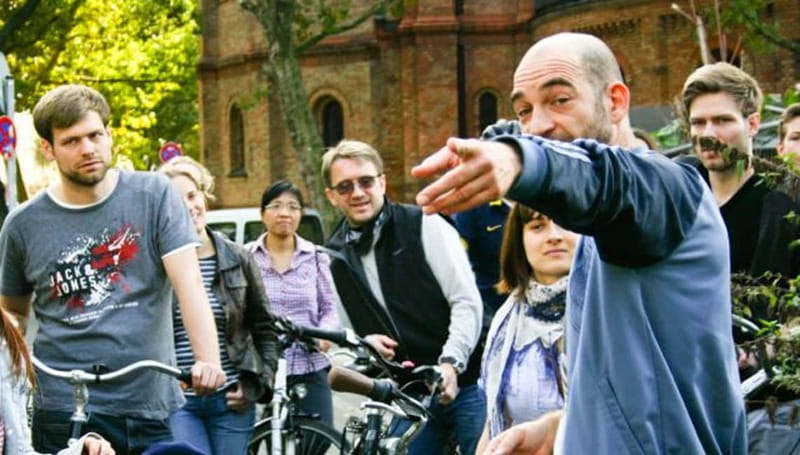
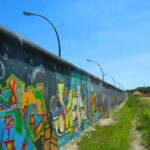
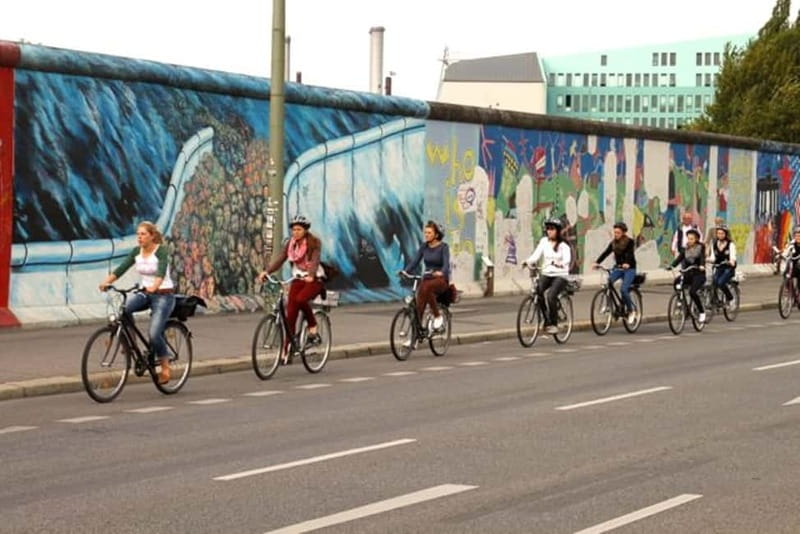
The tour takes you through alternative neighborhoods that were once divided by the Wall. Even if you don’t memorize dates, the bike format helps you see the geography of division—and later, the consequences of reunification.
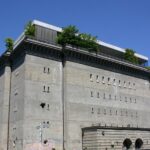
Friedrichshain and Neukölln are good examples of how Berlin keeps reinventing itself. You’ll get to witness contrasts you can actually feel with your eyes: restored buildings beside alternative spaces, older blocks beside new trends. The guide’s job is to translate that visual mix into something meaningful.
One reason this section works so well is the stop rhythm. You stop every 5 to 10 minutes to learn stories and historical facts, so you don’t leave the “why” to your own interpretation. It’s not a lecture hour. It’s a series of short context hits while your legs keep moving.
If you’ve only done big, landmark-heavy tours, this is the part where Berlin stops feeling like a museum and starts feeling like a living argument.
Treptow and the Waterfront: Spree and Landwehr Canal Contrasts
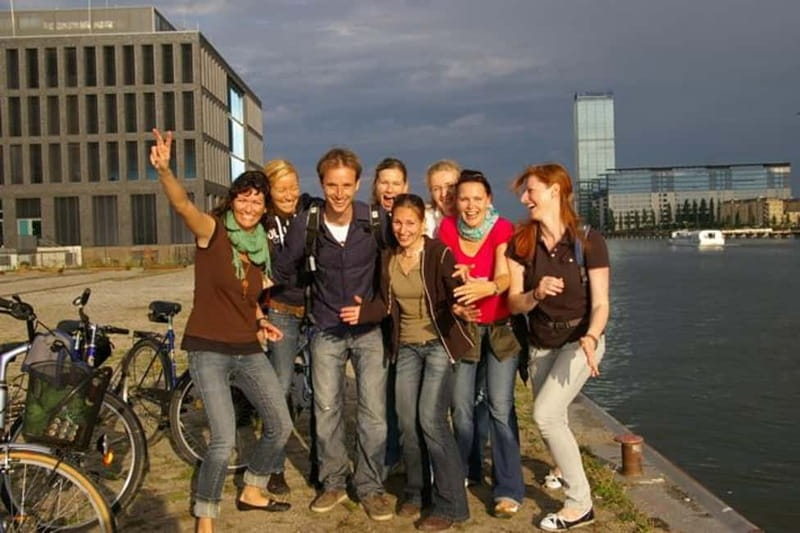
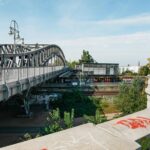
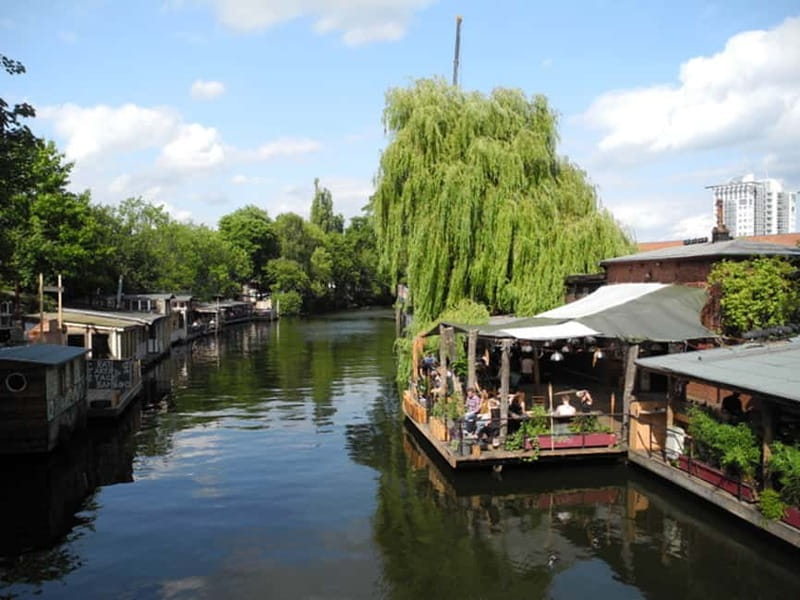
This bike tour shines when it swings toward the water. Riding along the Spree and the Landwehr Canal gives you a different kind of perspective—one that’s harder to get from a walking tour or a bus window.
The guide uses these stretches to highlight contrasts. You’ll see areas shaped by gentrification pressure and also places where alternative projects still influence the mood. It’s a city where “new” doesn’t erase “old.” Often, it collides with it.
And yes, these segments are just plain enjoyable to ride. A bike tour is more than getting from A to B. The water makes the route feel calmer, and the flat ride lets you focus on the scenery and the stories the guide is sharing.
This is also where the tour feels most like its own promise: a relaxed ride through the wild, alternative Berlin experience, with the practical bonus that the stops keep you engaged. You’re not stuck cycling through information drought.
How the Local Guide Drives the Experience (and Why It Matters)
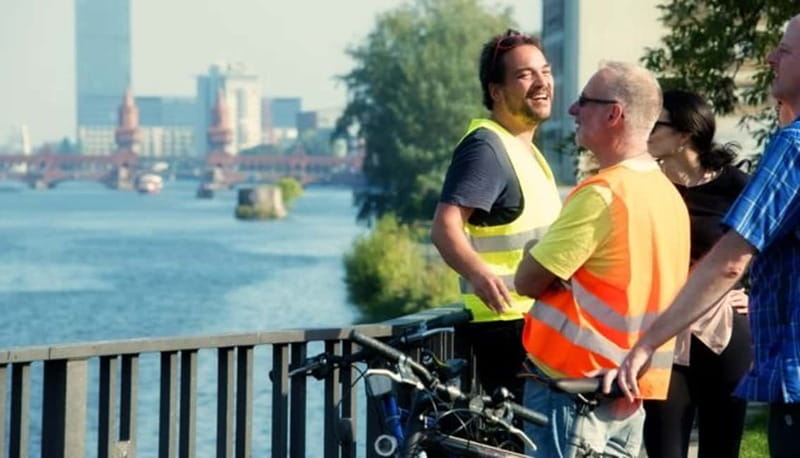
The guides are a major part of why this tour earns such strong ratings. You can tell they’re not just reading facts. They’re bringing Berlin into focus with personal commitment and a knack for telling the “other” stories.
Names that show up in the guide mix include Carl, Björn, Jake, Vincent, Liz, Daniel, and Stefanie. That range is a good sign: the company isn’t relying on one script or one personality. The consistent thread is energy—guides share stories that explain what you’re seeing and why the city works the way it does.
A practical detail: the group is small, so the guide can answer questions and adjust the pace if needed. That matters if you’re new to cycling tours or just want an experience that feels safe and human.
If you’re hoping for a tour that feels fun but also teaches you something real, this is where it delivers. The frequent stops prevent the classic bike-tour problem: you start off curious, then you turn into someone just trying to survive the ride.
Route Pacing and Riding Reality: Comfortable, Not a Sprint
Let’s talk about the ride itself, because this is where your expectations should match the tour. You’re covering about 15 kilometers over around 3 hours. That sounds like a “distance” number, but the experience is managed with a relaxed pace and frequent stops.
Several riders note that it doesn’t feel like three hours of nonstop cycling. The itinerary breaks up the time. You’ll likely spend a lot of moments coasting, stopping, learning, and then rolling again, which keeps the ride from feeling monotonous.
Safety also matters on bike paths and side streets. The route is designed for cycling, and the guide manages the group so you don’t feel like you’re on your own with traffic. If you’re on the fence because it’s your first bike tour, this style can be a confident first step—as long as you can ride a basic city bike without stress.
Weather is the other pacing factor. The tour provides waterproof ponchos if rain hits, but hot days can still be hot. The smartest move is to wear breathable clothing, bring water, and lean into the fact that you’ll stop often.
Price and Value: Is $40 a Good Deal Here?
At $40 per person, you’re paying for more than a rental bike and a route. You’re paying for local interpretation, route planning that uses bike-friendly streets, and a schedule that repeatedly turns “what am I seeing?” into something you understand.
Here’s why the value holds up:
- Bike rental is included, with baskets ready to go.
- A helmet is available if you request it.
- Ponchos are provided if it rains.
- You get live guiding in English, German, or French.
- The group size stays intimate, and you stop every 5 to 10 minutes for context.
If you compare this to the cost of hiring a private guide without the bike logistics, $40 feels reasonable. And if you’re doing Berlin on a budget, this tour still gives you “guided thinking” instead of just “guided movement.”
The biggest value play is for first-timers. When you start to understand Berlin through neighborhoods like Kreuzberg, Friedrichshain, Neukölln, and Treptow, everything else you do in the city becomes easier. You’ll recognize themes. You’ll know what you’re looking at.
Who Should Book This Tour (and Who Might Want a Different Style)
This tour fits best if you want Berlin to feel current, not staged. You’ll enjoy it if you like alternative neighborhoods, street-level contrasts, and history that shows up in the physical city—especially the echo of the Wall.
It’s also a great pick if you like a bit of structure but still want freedom. The guide handles the route and explanations. You just show up, ride, and ask questions.
Consider another option if you hate bikes, even easy ones, or if you’re expecting a monument-only day. This tour is about side streets and bike paths, plus stories that connect those streets to the city’s changes. It’s not a checklist of major attractions.
If you’re traveling as a group and want something more controlled, private group options are available too.
Should You Book Alternative Berlin by Bike?
Yes, if you want a practical way to understand Berlin’s contradictions without spending your whole trip in one district. The combination of small-group size, frequent stops, and the Spree/Canal scenery makes this feel like a smart use of time.
Book it especially if you care about context. The guides connect what you see—restored buildings, alternative projects, and shifting neighborhoods—to the bigger story of how Berlin got here.
If you’re unsure, here’s your quick test: do you like the idea of learning from the street, not just from plaques? If that sounds like your kind of travel day, this 3-hour alternative bike tour is a very solid bet.
FAQ
How long is the Alternative Berlin Bike Tour?
The tour lasts about 3 hours.
How far do we ride?
The ride is about 15 kilometers.
Where do I meet the guide?
Meet your guide at the office at Poststraße 11, at the courtyard entrance. Look for the FREE BERLIN sign.
Does the tour include a bike?
Yes. Bike rental of your choice is included.
Do I get a helmet and rain protection?
A bike helmet is provided if you request it. Waterproof ponchos are included in case of rain.
What neighborhoods are included on the route?
You ride through Nikolaiviertel to Kreuzberg, Friedrichshain, Neukölln, and Treptow.
What language is the guide available in?
The live guide is available in English, German, and French.
Is there an option for an E-bike?
You can book an E-bike by choosing the Senior price option, which is adjusted to include an E-bike.
How big is the group?
The tour is a small group with up to 15 people. Private group tours are also available.
Can I leave luggage during the tour?
Yes. Large baggage can be left with the tour operator for the duration of the tour.