REVIEW · BERLIN
Berlin: Guided Bike Tour to Explore the Highlights
Book on GetYourGuide →Operated by FREE BERLIN Bike Tours · Bookable on GetYourGuide
Three hours on two wheels beats a bus. This Berlin guided bike tour strings together the city’s biggest icons and surprising street-level stories, without turning your day into a checklist.
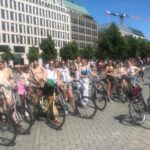
I especially like the easy pace and short, frequent stops. It feels active, but you still get time to look around, snap photos (TV Tower, Museum Island, Brandenburg Gate, and more), and actually hear what you’re seeing.
One thing to consider: you do need to be comfortable riding a bike, and the meeting spot can be a little tricky to spot at first. Also, some rental bikes can feel heavy, so ask for a bike that’s easiest to mount if that matters to you.
In This Review
- Key highlights worth planning for
- Why This 3-Hour Berlin Bike Route Makes Sense
- Starting at Poststraße 11: Bikes, Helmets, and a Quick Pre-Ride Reality Check
- Nikolaiviertel to the TV Tower: Getting Oriented by Bike
- Museum Island, Schinkelplatz, and Spree Views Without the Parking Lot Stress
- Berlin Hauptbahnhof to the Reichstag: Big Power, Big Change
- Potsdamer Platz, Topography of Terror, and Checkpoint Charlie: Berlin’s Clashing Chapters
- Gendarmenmarkt to Humboldt Forum: Old Beauty and New Berlin Energy
- Biking in Berlin: Safety, Pace, and What to Do if It Rains
- Price and Value: What $41 Gets You (and Why It’s Not Just a Sightseeing Loop)
- Should You Book This Berlin Highlights Bike Tour?
- FAQ
- How long is the Berlin bike tour?
- What is the price per person?
- Where do we meet the guide?
- What bike and gear are provided?
- Are ponchos provided if it rains?
- What languages are the tours offered in?
- Is the tour family-friendly?
- Can I book this as a private tour?
- Is this tour refundable if I change my plans?
Key highlights worth planning for
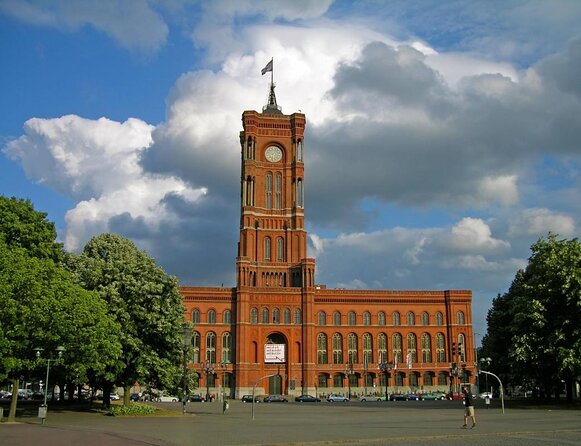
- A compact 3-hour route that hits major sights without a long day
- Guides set the route on the fly, so you won’t get a clone itinerary
- River Spree and local neighborhoods show up alongside the famous monuments
- Icon stops with context, including the Reichstag area and the Holocaust Memorial
- Rain solutions and helmet options, so bad weather doesn’t wreck the plan
- Family-friendly format, with seats available on request
Why This 3-Hour Berlin Bike Route Makes Sense
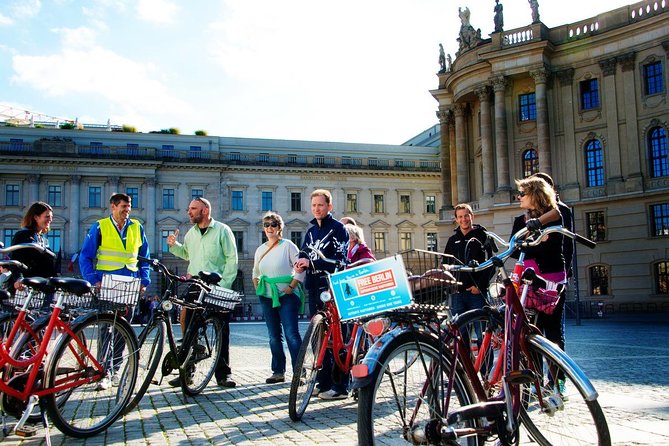
Berlin can be overwhelming. You’ll want the classics, but you also don’t want your first day to feel like you’re sprinting between gates and statues.
This tour is built for the “get my bearings fast” moment. In about three hours, you cycle through the historic center and parts of the modern city core, with frequent guided breaks. The format is entertaining but not exhausting, which matters when you’re also trying to explore museums, markets, or neighborhoods later.
The best part, in my view, is the balance between scale and detail. You get big landmarks like the Brandenburg Gate and the Reichstag, but the guide’s stories connect them to how Berlin changed over time, including modern urban life you might miss if you just walk the obvious route.
You can also read our reviews of more tours and experiences in Berlin.
Starting at Poststraße 11: Bikes, Helmets, and a Quick Pre-Ride Reality Check
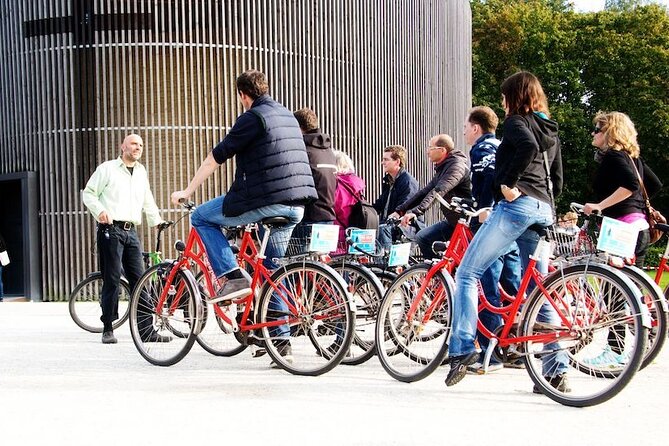
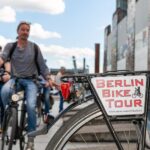
You meet at Free Berlin Bike Tours & Rental in a courtyard entrance at Poststraße 11. Look for the FREE BERLIN sign. It’s right in the city center, but it can feel a bit like finding a hidden door in a busy street, so give yourself a few extra minutes.
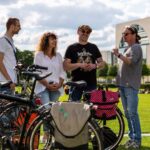
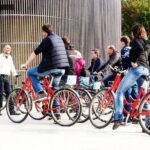
Once you arrive, you pick a bike from their selection. The bikes come with baskets and are regularly serviced by certified mechanics. A few practical tips help right away:
- If you’re sensitive about mounting height, try to get a bike with a slanted top tube (some are easier to swing onto).
- The bikes can feel on the heavier side, so don’t assume you’ll zip up to speed instantly.
Helmet use is optional (they’ll provide one if you request it). If you’re biking in mixed traffic before, you’ll also appreciate the time the guide spends on basic road etiquette. That matters because Berlin’s bike culture can feel confident, and you want your first minutes to be calm.
Nikolaiviertel to the TV Tower: Getting Oriented by Bike
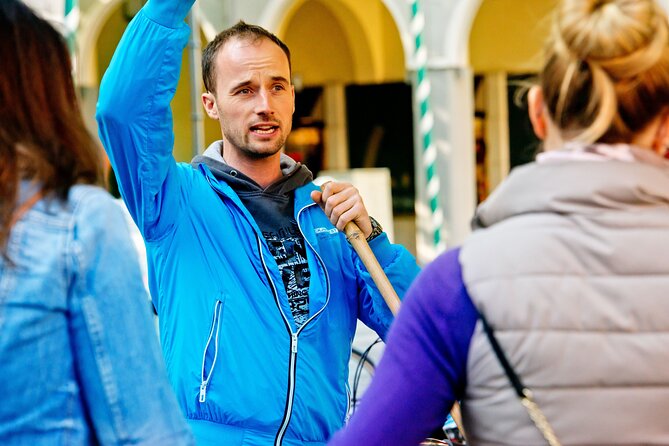
The ride kicks off in Nikolaiviertel, a historic-looking area near the TV Tower. Even if you’re not here for a full museum visit, this is a smart starting point because it gives you an immediate “old Berlin meets today” feeling.
Your guide then works you toward the TV Tower area with a quick photo stop. This is less about standing still and more about setting a mental map. From here, you’ll understand the direction of the city sights you’ll be cycling past shortly after.
Hackescher Markt comes next. It’s one of those hubs where you can feel Berlin’s neighborhood rhythm. The short stop is timed to keep the energy up, but it’s also enough for context—what the area is known for, and how it fits into Berlin’s modern center.
Then you move toward Museum Island for another photo pause. This spot is famous for a reason, but on a bike you’ll notice the surroundings as well. You’re not just looking at one landmark; you’re seeing how the city’s cultural core sits in the wider urban flow.
Museum Island, Schinkelplatz, and Spree Views Without the Parking Lot Stress
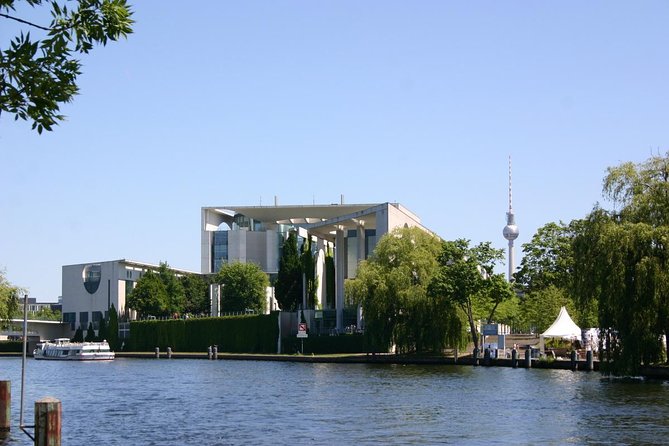
After Museum Island, you head to Schinkelplatz. It’s a small stop on the clock, but it’s the kind of place where architecture stories land fast. You’ll get a human-scale explanation for what you’re seeing rather than a wall of facts.
From there, the tour shifts toward the River Spree and the parks along it. Strandbar Mitte and Spreebogenpark are a good example of why biking beats only walking here. You cover ground quickly, but you’re still moving through settings that feel like Berlin locals actually use.
You’ll also get a sense of how Berlin mixes leisure space with major transit corridors. That combination keeps the tour from becoming purely monumental. Instead of only posing in front of statues, you’re cycling through the city’s everyday edges.
And this matters because your brain needs contrast. After stops like TV Tower and Museum Island, a stretch near the river gives you a breather while still keeping you in the thick of the center.
Berlin Hauptbahnhof to the Reichstag: Big Power, Big Change
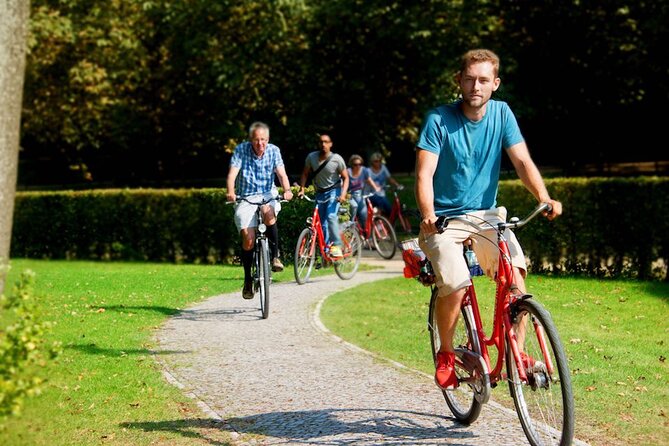
The route then brings you to Berlin Hauptbahnhof. Even if you’re not traveling by train today, it’s a key piece of the city’s modern face—an example of how Berlin reinvented itself with new infrastructure.
Soon after, you arrive at the Reichstag area. This stop is short by design, so don’t expect a full-history lecture. Instead, you’ll get the core story tied to what’s around you—how the seat of politics became a symbol, and why this part of Berlin still carries weight.
Bebelplatz is next for a photo pause. It’s the kind of stop where Berlin’s layered memory shows up clearly. In a short time, your guide can explain why this location matters and what you’re really looking at beneath the surface.
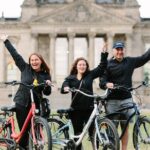
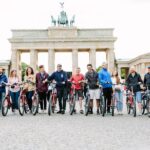
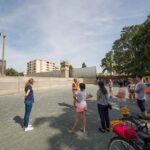
Then comes the sequence most people come for: Brandenburg Gate and the Holocaust Memorial. Expect both to feel emotionally different. The Gate is iconic and photogenic; the Memorial is quieter and heavier in tone. If you want to take a moment, do it. The stops are scheduled, but you can still slow down for a minute or two before moving on.
One practical note: since these are major attractions, your bike won’t make you immune to crowds at the edges. You’ll still be riding and stopping with a group, so listen closely for where to wait and how to regroup.
Potsdamer Platz, Topography of Terror, and Checkpoint Charlie: Berlin’s Clashing Chapters
Potsdamer Platz is the next guided stop. It’s where Berlin’s modern confidence shows up fast. On a bike, you experience the scale more than you would from one street corner. You’ll get a quick explanation for how this area reflects change—both in what was built and what got erased and rebuilt over time.
From there, you cycle to Topography of Terror. This is one of the more serious stops on the route. Because the time at each landmark is limited, the guide’s job is to give you the right framework so the place doesn’t just become a name you walked past.
Then you reach Checkpoint Charlie. It’s famous, and yes, it’s also the kind of place where you’ll notice how history has been packaged for visitors. Your best move is to use the bike tour’s context: treat the stop as a point on a timeline, not just a photo backdrop.
If you’re the type who likes asking questions, this is a good moment. The route creates a natural sequence: modern city planning, memory sites, and then the border-era iconography right after. That pacing helps it click in your head instead of blending together.
Gendarmenmarkt to Humboldt Forum: Old Beauty and New Berlin Energy
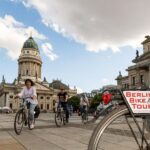
After Checkpoint Charlie, you head toward Gendarmenmarkt for a photo stop. This is one of those classic squares that looks great from every angle. On a bike tour, you’ll appreciate it because you’re not stuck trying to navigate it on foot while other people stream through.
Finally, you ride to Humboldt Forum for a guided stop. This is a place where Berlin’s ongoing rebuilding story becomes visible. You’ll get commentary that connects the site to the city’s current identity and how old and new keep meeting here.
From there, you return to the starting office at Free Berlin Bike Tours & Rental. Ending near the original point keeps the tour tidy, especially if you want to continue the day with a café stop or a museum visit afterward.
Biking in Berlin: Safety, Pace, and What to Do if It Rains
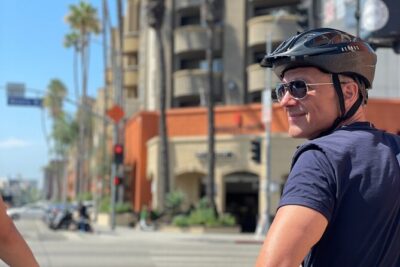
Berlin is bike-friendly, and this tour is designed around that fact. Bike lanes are typically on the pavement rather than out in the driving lanes, which can feel more secure than you might expect in a big city.
The pace is steady, and the stops are frequent. That short-stop rhythm is one of the reasons people say it feels easy even when you cover a lot of ground. Your legs do work, but you’re not racing city blocks between lectures.
Weather-wise, they provide waterproof ponchos if it rains. Guides have also handled rain well in practice, so you’re not left deciding whether to cancel at the last minute. If you hate biking in wet conditions, ponchos help you stay focused instead of fuming about clothing.
Also, plan for storage. Large baggage can be left with the tour operator during the tour, so you’re not balancing bags on a bike while you try to enjoy the sights.
Price and Value: What $41 Gets You (and Why It’s Not Just a Sightseeing Loop)
At $41 per person for a three-hour guided experience, you’re paying for four things:
1) a working bike rental with service support
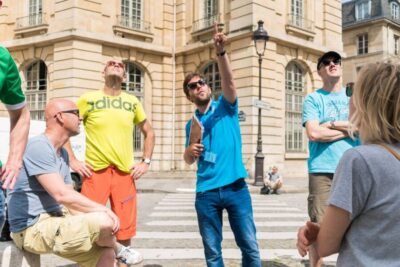
2) a guide who controls pacing and context
3) the shortcut effect (you hit lots of places fast)
4) added meaning at stops you might otherwise skim
The value gets even better because guides have freedom to tailor the route. This isn’t a rigid, cookie-cutter circuit. The “Free Berlin Concept” means your guide can adjust based on group interests, current events, and how Berlin is moving that day. That’s how you can get extra relevance instead of a scripted spiel.
It also helps that the tour includes local-life moments, not only monuments. If you’re newer to Berlin, that mix saves time and makes you want to explore more afterward.
One more value check: the tour is available in English, French, and German. It’s also family-friendly, and infant seats can be provided on request. If you’re traveling with kids, the structure can be easier than a long walking tour, since you can reset during the short guided stops.
Should You Book This Berlin Highlights Bike Tour?
Book it if you want a smart first look at central Berlin with big landmarks plus real-city context. It’s a strong match if you:
- are short on time and want to cover major sights efficiently
- enjoy learning through stories while you move
- like a relaxed pace with frequent regrouping
- want an active option that still feels controlled
Skip it if you can’t ride a bike confidently or you need more time at major sites than the tour’s short stops allow. Also, if you dislike the idea of navigating a shared-group bike ride, you’ll want to make sure you’re comfortable with basic cycling rules before you go.
If you do book, I’d pick a guide slot that fits your language comfort (English, French, or German). And when you’re at the bike desk, ask for the easiest bike to mount—small comfort choices make the whole ride feel smoother.
FAQ
How long is the Berlin bike tour?
It lasts about 3 hours.
What is the price per person?
The price is $41 per person.
Where do we meet the guide?
Meet at the Free Berlin Bike Tours & Rental office at Poststraße 11, in the courtyard entrance. Look for the FREE BERLIN sign.
What bike and gear are provided?
You get a bike rental of your choice. Bikes have baskets, and helmets are available if requested.
Are ponchos provided if it rains?
Yes. Waterproof ponchos are provided in case of rain.
What languages are the tours offered in?
The live tour guide is available in English, French, and German.
Is the tour family-friendly?
Yes. Children are welcome, and infant seats can be provided on request.
Can I book this as a private tour?
Yes. Private or small groups are available, and you can also book it as an exclusive private tour.
Is this tour refundable if I change my plans?
You can cancel up to 24 hours in advance for a full refund.