REVIEW · BERLIN
Berlin: The Wall and Third Reich Guided Bike Tour
Book on GetYourGuide →Operated by FREE BERLIN Bike Tours · Bookable on GetYourGuide
The Wall looks different at street level. This ride mixes WWII-era sites with Cold War leftovers in a way that’s active, relaxed, and often funny in the best way. I especially like the up-close pacing—quiet back streets for most of the route—and the way guides turn place names into real stories. One heads-up: the topic is heavy, and some locations (like Hitler’s bunker) are not accessible as a visit, so you’ll mostly get exterior context and history.
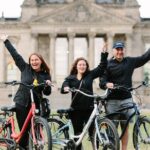
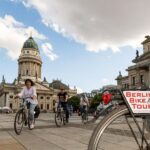
Starting in Nikolaiviertel, just minutes from the TV Tower, you’ll roll out with a rental bike and follow a 15-kilometer loop for about three hours. Guides really matter here: people have had standouts like Carl, Juliet, Jake, and Paul, and the common theme is that they’ll answer questions and adjust the route to what your group cares about.
In This Review
- Key things I’d plan around
- Nikolaiviertel start: you get bearings fast on two wheels
- How the guide’s freedom changes your experience
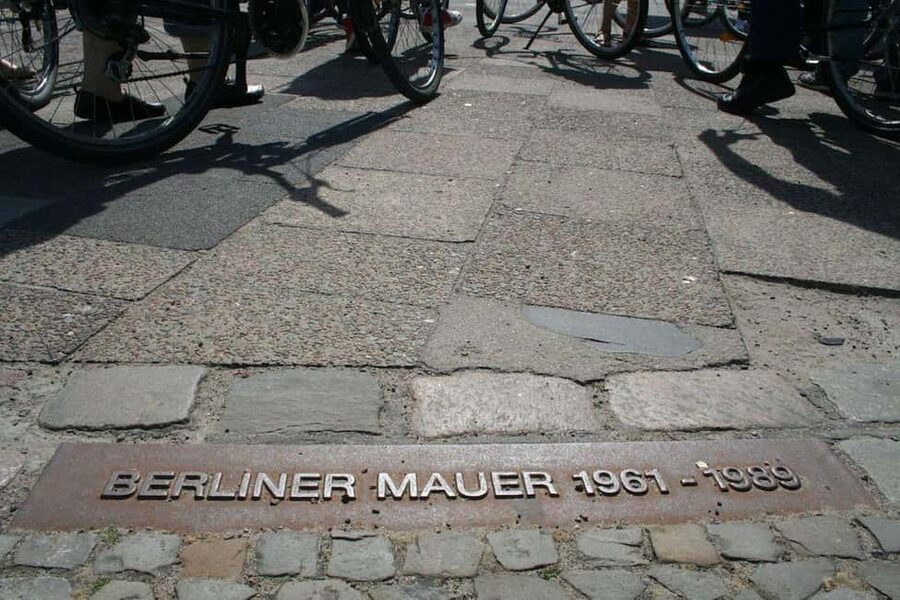
- Berlin Wall Memorial at Bernauer Straße: where the border hit hard
- Ruppiner Straße, Mauerpark, and the Wall trail rhythm
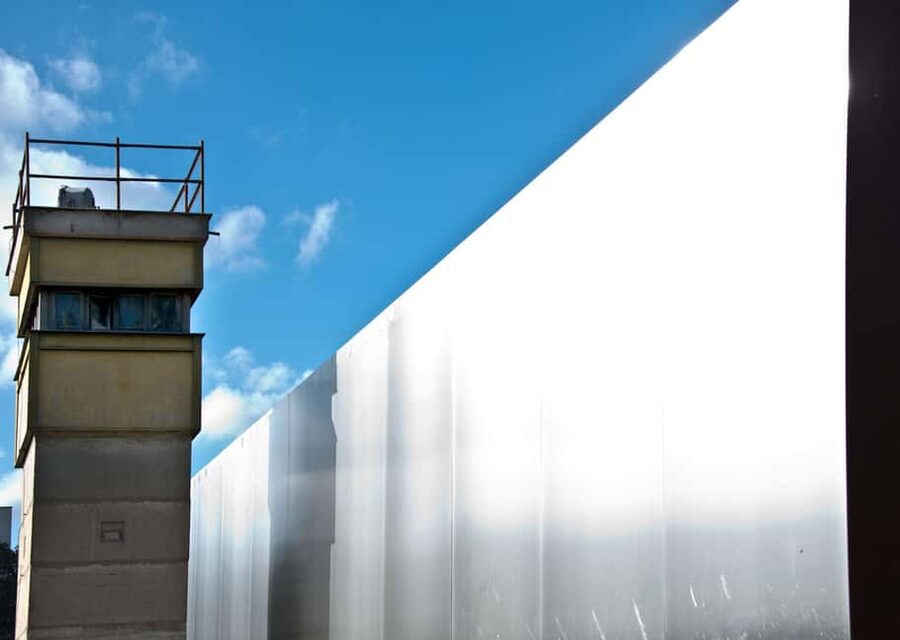
- Brücken and watchtowers: the Cold War city you can actually see
- Flak Tower III at Humboldthain: Berlin’s war bones are still here
- Boros Bunker and the Germania dream: oversized ideas, real spaces
- Memorial stops that make the cost personal
- Hitler’s bunker and the Germania story: what you can see now
- Comfort and logistics: how the ride actually feels
- Price check: is $41 worth it for three hours?
- Who should book, and who should skip?
- Should you book this Berlin Wall bike tour?
- FAQ
- How long is the Berlin: The Wall and Third Reich Guided Bike Tour?
- How far do we bike?
- What does the price include?
- Where does the tour start?
- What languages are the tours offered in?
- Are private or small-group tours available?
- What about rainy weather?
- Can I leave luggage during the tour?
- Is it suitable for families with children?
Key things I’d plan around
- A 15-kilometer loop that’s doable but still proper biking (the city is flat, but you will ride)
- Wall-to-bunker storytelling across Nazi Germany and divided Berlin, with Cold War details you might miss on your own
- Ghost-station and escape context, so you understand what the city looked like from the inside
- Real-world pacing: short stops, photo moments, and quick repositioning so you cover ground
- Bike comfort extras like baskets, optional helmets, and waterproof ponchos when the weather turns
Nikolaiviertel start: you get bearings fast on two wheels
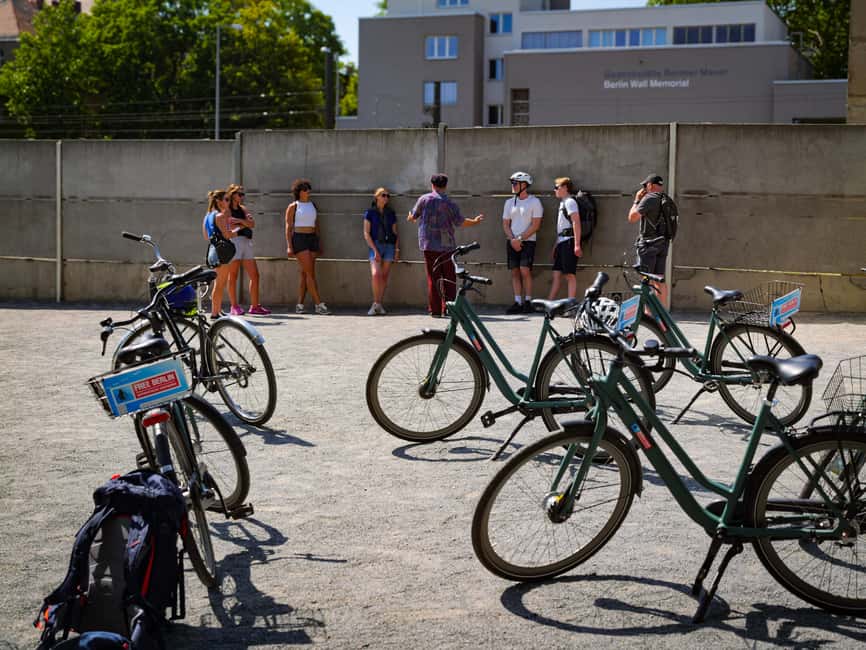
You begin in Nikolaiviertel, a convenient starting zone that’s easy to find and not far from the TV Tower. That matters because the tour is only three hours, so you want your time on the bike, not lost in transit.
From the office courtyard by Poststraße 11, you grab your rental bike and set off with the group. These bikes come with baskets, and they’re checked regularly by a certified mechanic, which is a real comfort factor when you’re rolling through a major city. You can also request a helmet, and if rain shows up (Berlin does this), you’ll have waterproof ponchos on hand.
Nikolaiviertel is a good warm-up mentally too. It’s close enough to central sights that you won’t feel “out in the suburbs” right away, but the route quickly shifts from postcard Berlin into the kind of places where history is still in the streets.
You can also read our reviews of more tours and experiences in Berlin.
How the guide’s freedom changes your experience
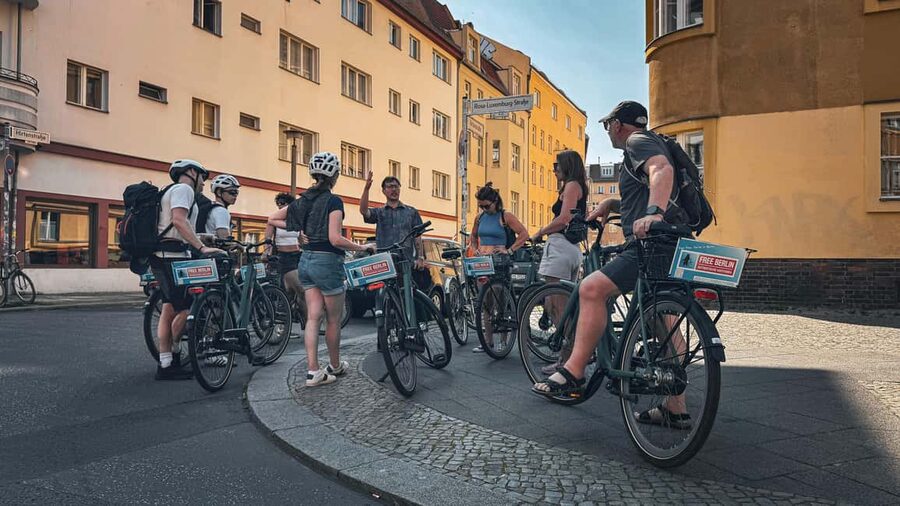
This isn’t one rigid, always-the-same route. Guides have room to adjust the tour based on the group’s interests and current conditions in Berlin. That’s a big deal on a topic like Berlin’s 20th-century scars—people come with different levels of knowledge and different emotional comfort zones.
I like this approach because it keeps the tour from turning into a script. In real-world terms, it means if your group wants more detail on escape attempts, bunker life, or everyday life in East Berlin, the guide can shift the emphasis. Reviews also point to guides encouraging questions and even handling difficult topics with a calm, human tone.
If you opt for a private or small-group tour, you’re more likely to get that “Berliner perspective” feel. Some guides even bring personal family context from living through the last decades in Berlin. Even when you’re not hearing a personal story, that lived perspective helps history feel less like a textbook.
Berlin Wall Memorial at Bernauer Straße: where the border hit hard
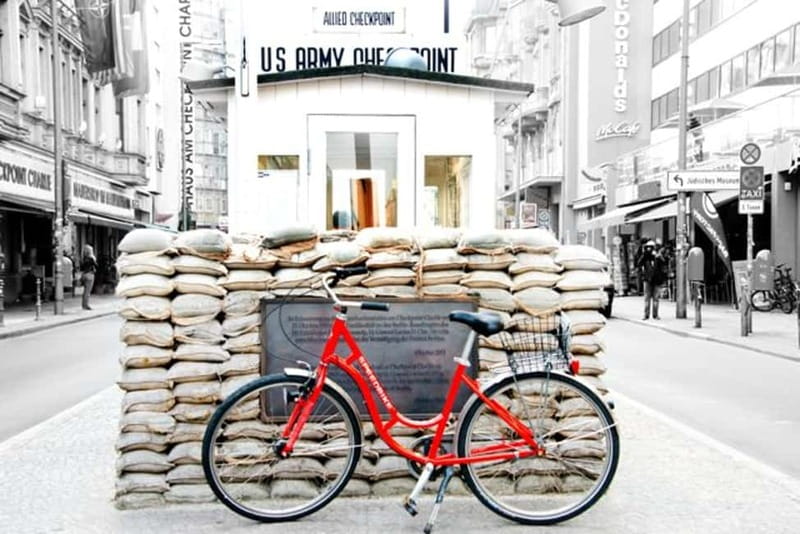
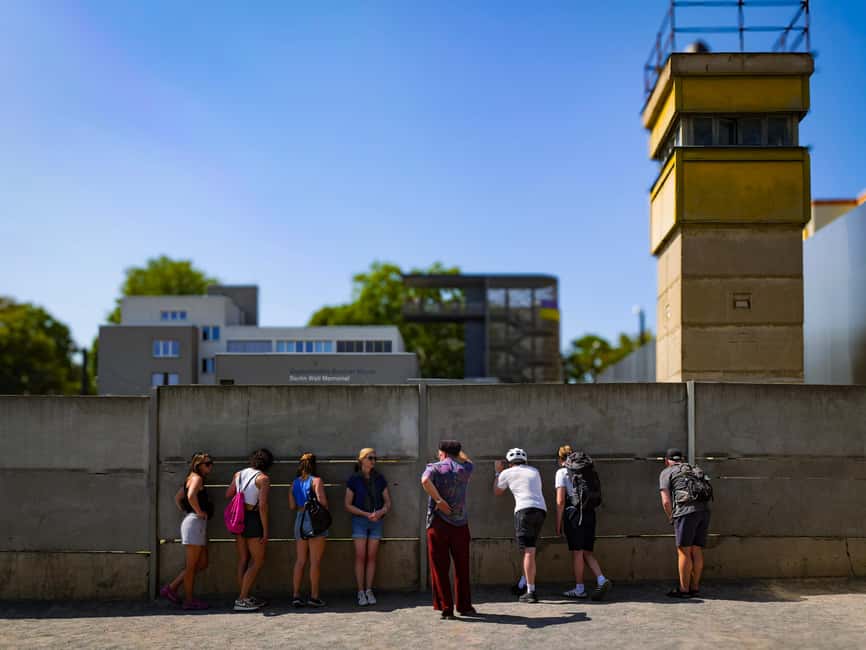
One of the most meaningful stops is the Berlin Wall Memorial on Bernauer Straße. This is where the wall stops being an idea and becomes a line that shaped movement, fear, and survival.
The guide’s value here is the framing. Instead of just pointing at remnants, you get context for daily life in a divided city: what people could and couldn’t do, what watching and control meant, and why certain areas became high-stakes zones. This tour also focuses on the remains of the wall and how the borderland found new usage afterward, so you see both separation and the later attempts to reclaim space.
Pacing is usually tight—expect a photo stop plus a quick guided explanation—so you won’t linger for hours. But for many visitors, that’s exactly right. You’ll get the big takeaways and keep moving toward other wall sites that connect into one larger story.
Ruppiner Straße, Mauerpark, and the Wall trail rhythm
After Bernauer Straße, you roll into neighborhoods where the wall’s impact is visible even when the wall itself isn’t always standing tall. Stops like Ruppiner Straße and the Mauerpark area help you connect what you learned to the city’s everyday present.
Mauerpark is a good example of how Berlin reuses space. You don’t just hear that the wall divided the city—you watch it become part of the city’s new routines. That contrast is powerful, but it can also feel a bit confusing if you’re on your own. On this tour, the guide stitches the story together so you understand what you’re looking at.
You’ll also follow part of the Berliner Mauerweg. This matters because the trail gives you a practical way to trace the border. It’s not just historical sightseeing; it’s a navigation tool. You’re effectively biking the “line” that shaped movement, which makes the history feel physical.
And yes, there are moments where you’ll pass busier roads, but the overall pattern from many reviews is that most of the ride feels on safer routes and cycle-friendly paths.
Brücken and watchtowers: the Cold War city you can actually see
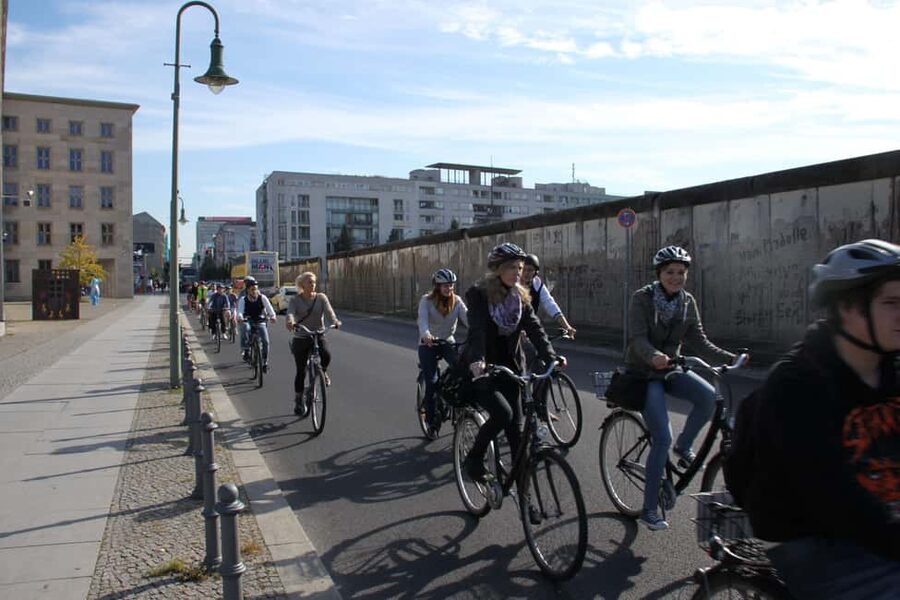
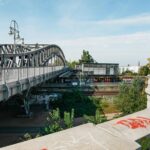
Crossing at points like Behmstraßenbrücke is where the route starts feeling cinematic. Bridges change what you can see and how you connect the east-west divide.
This tour also covers Cold War structures, including original East German watchtower references and the feeling of surveillance that came with the border system. Even if you can’t always spot the “original” object you’re hearing about, the guide connects landmarks so you know where the control points were and why they mattered.
One of the most compelling themes you’ll hear about is escape—especially the famous ghost-station idea and underground spaces tied to the city’s attempts to break free. The tour keeps these stories grounded in location, so it’s easier to picture how someone might have tried, failed, or succeeded under pressure.
That’s also where bike travel shines. You move past spots in minutes, but you’re close enough to understand scale. On a bus tour, the border areas can feel abstract. Here, they feel like a place you could walk into.
Flak Tower III at Humboldthain: Berlin’s war bones are still here
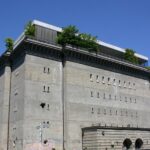
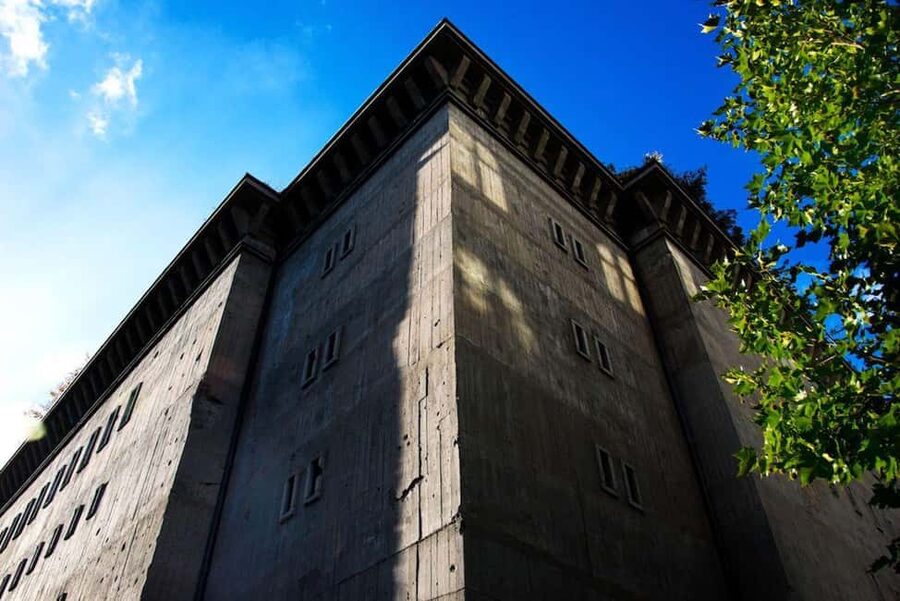
You’ll get a photo stop at Flak Tower III Humboldthain, and it’s a strong reminder that WWII wasn’t only front lines. It left heavy architecture behind, built for protection and control.
For me, the value isn’t just seeing a tower-like structure—it’s hearing how the guide connects it to life under threat. The tour’s larger theme ties Nazi-era visions and war decisions to what Germans built and what Cold War Berlin inherited afterward.
Berlin has a way of repurposing old power structures, and this stop fits that pattern. You get to look at something literal and massive, then step back to understand the psychology behind why it existed.
The bike also makes this kind of stop more efficient. You’re not stuck hunting for the place on foot. You get a planned moment to look, photo, and move on with context still fresh.
Boros Bunker and the Germania dream: oversized ideas, real spaces
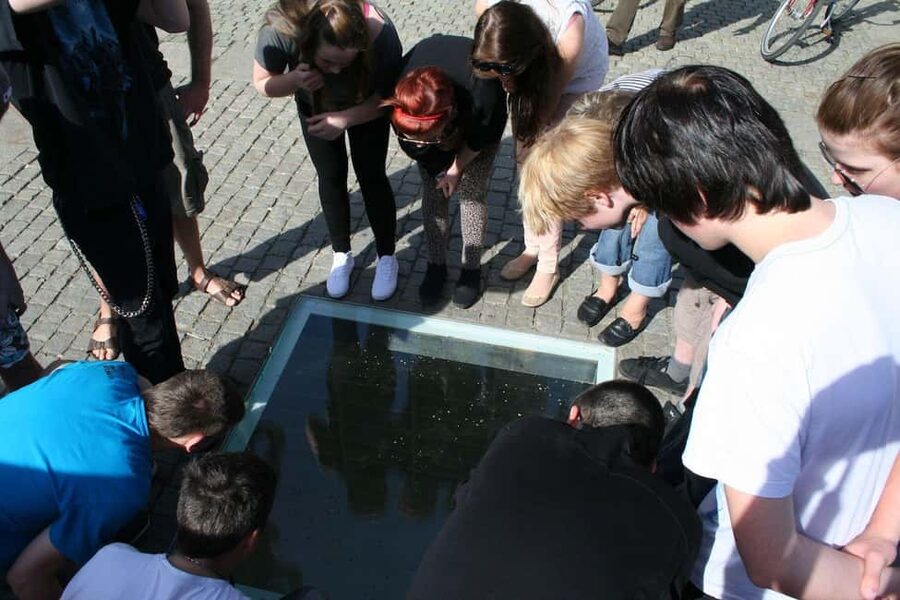
The tour spotlights an enormous bunker story tied to the Nazis’ vision of Germania—an ambitious, never-realized dream city. The point here isn’t to treat Germania like fantasy trivia. It’s to see how grand plans translated into physical thinking: how the regime imagined power, protection, and a future Berlin shaped by ideology.
You’ll also visit Sammlung Boros, including Boros Bunker. This is an important stop because it takes bunker life and architecture and turns it into something you can look at from close range. Even if your emotions swing between curiosity and discomfort, you’ll at least understand how bunker spaces were designed for survival—and how later generations repurposed them.
This is one of those sections where the guide’s tone matters. A good guide doesn’t rush the grim parts, but also doesn’t turn it into a lecture. It becomes a guided walk-and-bike through the physical leftovers of political obsession.
Memorial stops that make the cost personal
The route includes Memorial Gunter Litfin and the Invalids’ Cemetery. These stops matter because they push past big, famous events and toward individuals and consequences—why people tried, what happened to them, and how communities carried grief.
I like that this tour doesn’t only focus on ruins. It also makes you think about what the border system did to real bodies and real families. That can be emotionally intense, so it’s good to be mentally prepared for heavy material.
There’s also a Holocaust Memorial photo stop on the ride. Even as a quick stop, it helps keep the overall narrative from becoming “just Berlin Wall history.” The tour places the city’s Nazi-era crimes within the broader timeline, which is important for anyone trying to understand how WWII and the Cold War connected.
If you prefer tours with a lighter mood, this one might feel too serious. If you want understanding—clear, place-based understanding—this is exactly the kind of structure that works.
Hitler’s bunker and the Germania story: what you can see now
You do get to the area associated with Hitler’s bunker, often referred to as the Führerbunker. But here’s the practical reality: the bunker is no longer accessible today, so you’re not arriving for an interior visit.
This is worth knowing ahead of time because it changes expectations. You’ll learn about what it represented and why it matters, but it’s more about context at/near the location than a full-on site experience.
That fits the tour’s bigger pattern: you’re tracing the past using what’s still here—remnants, markers, and connected structures. Guides also use the route to show how the borderland and underground spaces became part of the later city story.
If this is your must-see theme, go in with the mindset of learning from place and guide explanation—not checking off a museum entry.
Comfort and logistics: how the ride actually feels
This tour is designed for an active-but-not-rushed pace. At around 15 kilometers and three hours total, it’s a solid distance, but not the kind of hardcore ride where you’re praying for hills.
Still, plan for street-level biking in a busy city. Expect occasional traffic sections. Multiple reviews mention feeling safe, but it’s still smart to arrive with a steady riding comfort level.
Weather is a real factor. A couple of notes from riders include slippery paths when wet and winter needs like warm clothes and gloves. Berlin in shoulder seasons can swing from mild to miserable fast, so layer up and don’t skip rain gear even if the forecast looks optimistic.
The good news is that the operator supplies waterproof ponchos, and helmets are available if you ask. Add that to bike condition checks and you’ve got a setup that’s meant to keep you moving confidently.
Price check: is $41 worth it for three hours?
At about $41 per person for a three-hour guided bike tour that includes bike rental, optional helmet, and waterproof ponchos, you’re paying for efficiency and interpretation—not just transportation.
In practical terms, your value comes from:
- A guided narrative that connects WWII, the Cold War, and the Wall into one route
- Access to multiple sites in a short time window without needing to plan transit
- The ability to bike quiet back streets and cycle paths that buses don’t cover as well
- A guide who can adapt stops to your interests, especially in private or small-group formats
If you only wanted a quick photo walk, you’d probably spend less on your own. But if you want the “why” behind what you’re seeing—plus an active way to cover ground—this price feels fair. It’s also a good deal compared to doing guided museum days plus long transit in between.
Who should book, and who should skip?
Book this tour if you want:
- A bike-based way to see Wall-related sites and nearby WWII/Cold War remains
- A guide who explains daily life in the divided city, not only dates and slogans
- A route that mixes major stops with less obvious places along the Wall trail
Skip (or choose a lighter alternative) if:
- You’re not comfortable with heavy WWII and Holocaust-related topics
- You expect full access to Hitler’s bunker as an interior visit (it’s not accessible today)
- You’d rather spend long hours at a single memorial than do a paced circuit
If you’re traveling as a family, it’s described as family-friendly, and infant seats can be provided on request.
Should you book this Berlin Wall bike tour?
Yes—if you go in ready to learn and you’re okay with short stops, lots of movement, and serious themes. The format fits Berlin well: flat enough for biking, dense enough to cover key sites, and full of physical reminders that respond best to a guided narrative.
Two smart tips before you go:
- Bring layers and plan for wet or slippery sections. Berlin weather can be moody.
- If Hitler’s bunker is your top priority, set expectations for explanation at/near the location rather than an inside visit.
When you want Berlin’s 20th century in a “see it, ride it, understand it” package, this is one of the better ways to do it.
FAQ
How long is the Berlin: The Wall and Third Reich Guided Bike Tour?
The tour lasts about 3 hours.
How far do we bike?
It covers roughly 15 kilometers.
What does the price include?
It includes the bike rental and a guide. Bike helmet is available if requested, and waterproof ponchos are provided in case of rain.
Where does the tour start?
Meet at the office in the courtyard entrance of the building at Poststraße 11, look for the FREE BERLIN sign. The tour begins in Nikolaiviertel.
What languages are the tours offered in?
The guide speaks German, French, or English.
Are private or small-group tours available?
Yes. Private or small groups are available, and the free Berlin concept says guides can tailor routes to the group’s interests.
What about rainy weather?
You’ll get waterproof ponchos. Some paths can be slippery when wet, so bring appropriate clothing and ride carefully.
Can I leave luggage during the tour?
Yes. Large pieces of luggage can be left safely with the operator for the duration of the tour.
Is it suitable for families with children?
Yes, children are welcome, and infant seats can be provided on request.