REVIEW · BERLIN
Berlin Wall History Small Group Cycling Tour
Book on GetYourGuide →Operated by BBT-Sightseeing & More · Bookable on GetYourGuide
That Wall line still feels close. This small-group bike tour follows the Berlin Wall route in a way you can actually see and ride. I especially like the focus on the real crossing points and the small-group pace that keeps the stories clear. One thing to plan for: there’s limited Wall structure left today, so a chunk of the impact comes from guide interpretation and site details, not intact concrete.
What makes it work is how the route connects famous landmarks with the less-famous border remnants you’d otherwise miss. You start at the Square of the 9th November 1989, then cycle through areas tied to border control, memorials, and the city’s changing landscape. A possible drawback is that food and drink aren’t included, so bring your own water plan for a 4-hour ride.
In This Review
- Key highlights worth booking for
- Following the Berlin Wall on two wheels (the part that really clicks)
- Bornholmer Straße: where the story starts, with watchtower traces and a practical border feel
- Mauerpark and crossing at the former border-control: turning history into a rideable route
- Bernauer Straße Wall Memorials: the stretch that makes the meaning click
- Chausseestraße ghost-station and border-crossing: the most atmospheric part of the tour
- Invaliden Graveyard and Invalidenstraße crossing: quiet memory with big weight
- Government Bank to Parliament of Trees: a thoughtful, visual in-between
- Brandenburg Gate, Potsdamer Platz, Checkpoint Charlie, and Tränenpalast on Friedrichstraße
- The 4-hour pacing: how to make the most of the ride time
- What to pack and how to handle all-weather cycling
- Price and value: why $36 can be a smart use of time
- The guide factor: why this tour feels relaxed, not lecture-heavy
- Who should book this Berlin Wall cycling tour
- Should you book this tour?
- FAQ
- How long is the Berlin Wall history cycling tour?
- How big is the group?
- Where do I meet the guide?
- Is the tour suitable for rainy weather?
- What should I bring?
- Is food included?
Key highlights worth booking for
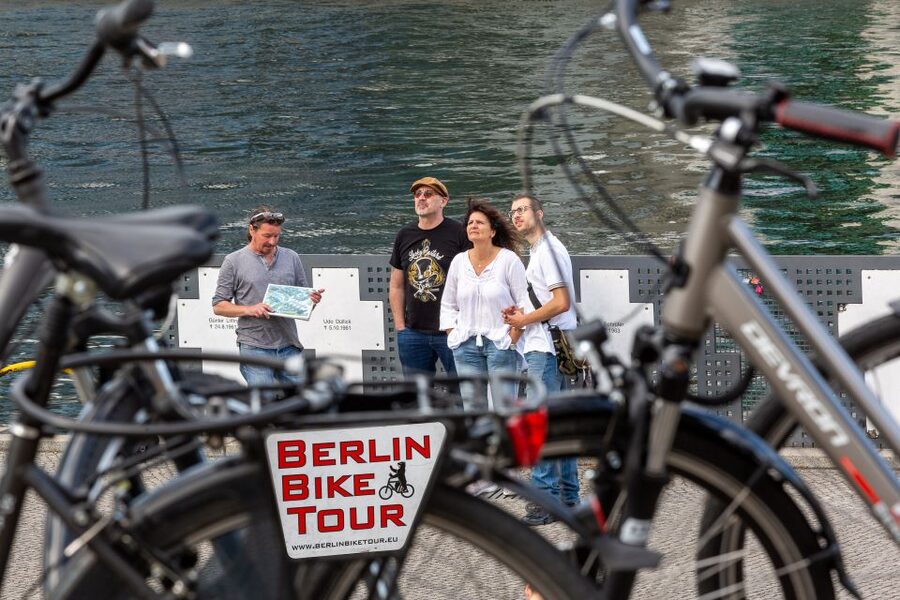
- Bornholmer Straße crossing into Mauerpark for a first-hand feel of the border route
- Bernauer Straße Wall Memorials to understand why this stretch became so important
- Chausseestraße ghost-station and border-crossing for the most vivid Cold War atmosphere
- Invaliden Graveyard and Invalidenstraße crossing to see memory in a quieter setting
- Brandenburg Gate to Potsdamer Platz to Checkpoint Charlie without wasting time hopping between far spots
- Friedrichstraße including Tränenpalast (Palace of Tears) for a strong ending point
Following the Berlin Wall on two wheels (the part that really clicks)
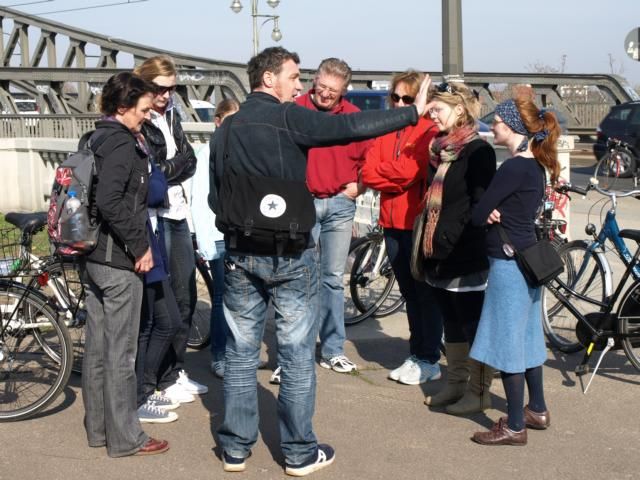
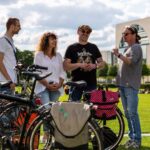
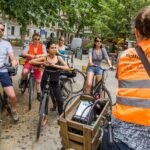
Berlin Wall tours can turn into museum hours. This one stays mobile, so the story moves with you instead of pausing while you look at a plaque. With a small group (3 to 8 people), the guide can keep questions flowing and adapt the pace to the group.
The route centers on the Mauerweg idea: follow the path where the Wall’s influence shaped streets, checkpoints, and movement. You get practical “how-to-see” skills too. Instead of just noticing sights, you learn what to watch for on the ground and along the former border route.
One bonus: the ride format makes it easier to cover a lot of ground in 4 hours without feeling like you’re sprinting across the city.
You can also read our reviews of more tours and experiences in Berlin.
Bornholmer Straße: where the story starts, with watchtower traces and a practical border feel
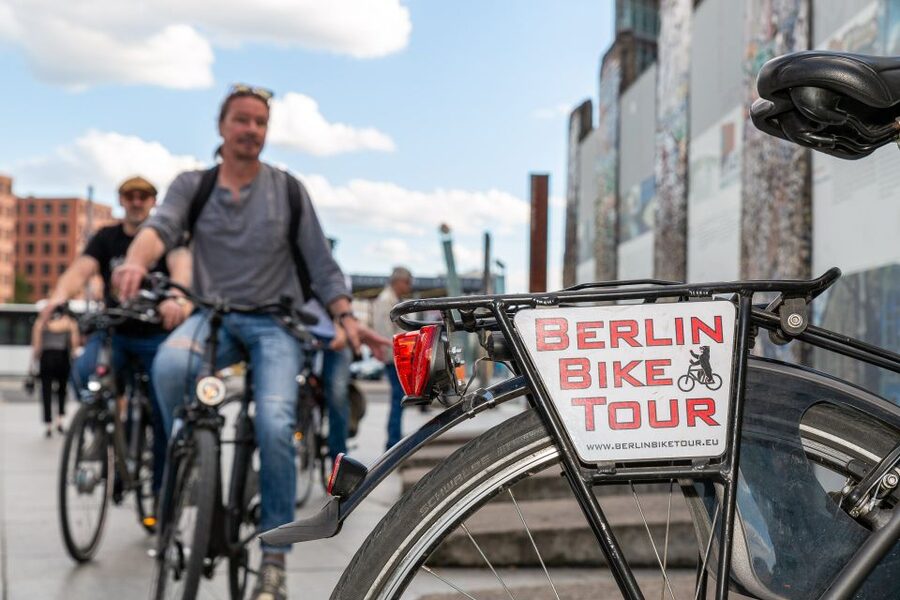
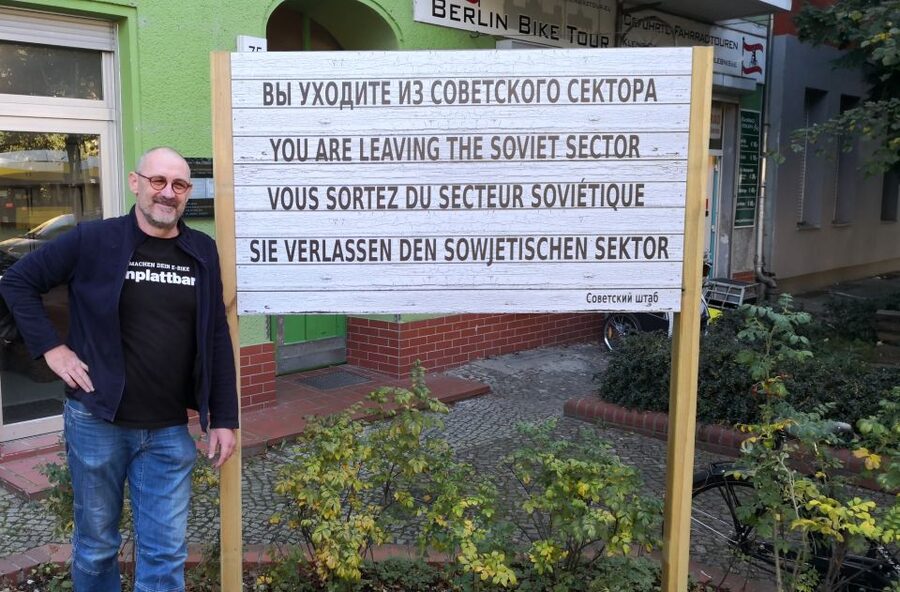
You meet your guide at 75 Bornholmer Straße, right by major transit links. From there, the tour begins where the border drama reached a turning point: the Square of the 9th November 1989. It’s a smart start because it gives you a “why this matters” anchor before you roll down any streets.
This section also includes details you’ll remember later. You’ll see the original watchtower and the death-strip area—key pieces for understanding how tightly controlled the zone was. And yes, you’ll learn about the cherry trees on Bornholmer Straße, which is a very Berlin twist: a place tied to restriction and fear also became a place for living and growing.
I liked that the tour doesn’t treat these locations like isolated facts. The guide’s job is to connect what you see on the map to what people experienced in real time. That’s exactly the kind of framing that makes the Cold War readable instead of abstract.
Mauerpark and crossing at the former border-control: turning history into a rideable route
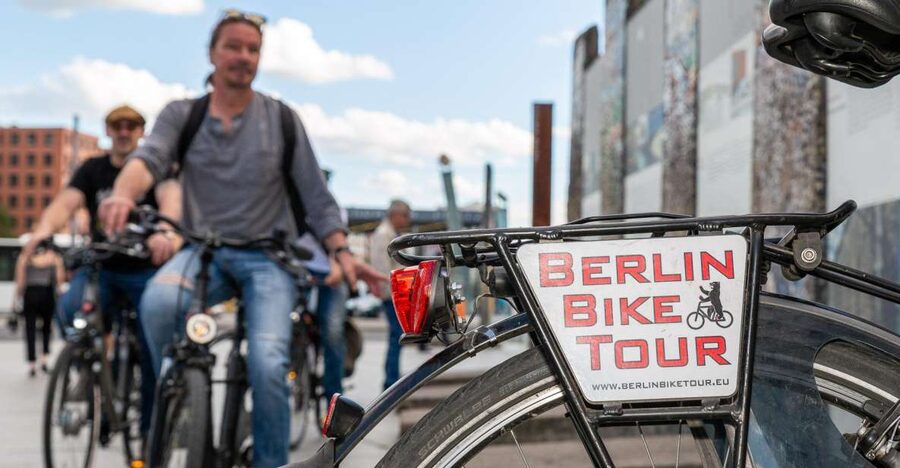
One of the most memorable moments is crossing at the former border-control at Bornholmer Straße, then cycling through Mauerpark. This matters because it puts you in motion along the logic of the boundary, not just next to it. You can feel how streets guide you—where you can move, where you can’t, and what changed when controls ended.
Mauerpark also helps you connect past to present. You’re looking at a place that now has a public life, while the ride direction still echoes what used to be a high-tension corridor.
If you’re the type who hates tours that only point and talk, this is where cycling helps. The guide can tell the story while you’re actively traveling the route, which keeps attention from drifting.
Bernauer Straße Wall Memorials: the stretch that makes the meaning click
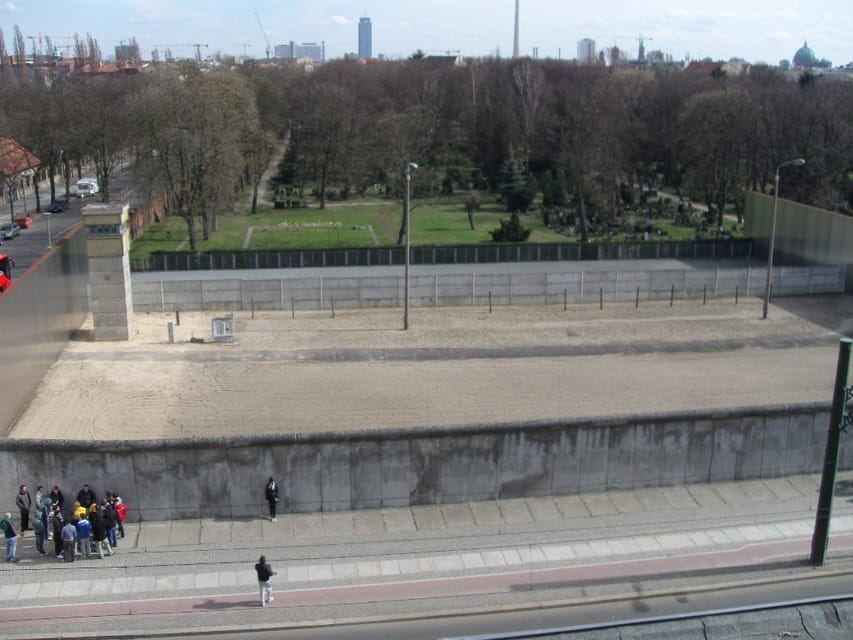
Next up is the Wall Memorials at Bernauer Straße. This is where the tour’s emotional tone sharpens. Even though you don’t always see huge preserved sections of Wall, this stop is about clarity: why certain segments mattered, and why memory is placed exactly where it is.
For me, memorial stops work best when they explain what’s missing. You’ll be guided to understand that today’s gaps are part of the story, not a disappointment. The guide approach helps you read the space and understand how the border once carved through everyday life.
Also, this is a great segment for photos. You’re moving through an area where the “then vs now” contrast is visible without you needing to search for it.
Chausseestraße ghost-station and border-crossing: the most atmospheric part of the tour
If you want one section to feel like a scene, it’s Chausseestraße, including the ghost-station and the border-crossing. The label alone tells you the goal: you’re not just collecting facts; you’re building an image of how the system felt from the inside.
This stop tends to land well for people who like story-driven history. The tour format helps too—small group, guided explanations, and enough time on-site to absorb what you’re looking at.
I also like that the guide keeps it grounded. You’re not stuck in vague tragedy. You get specific, fateful stories tied to the border environment, which makes the experience more than a list of names and places.
Invaliden Graveyard and Invalidenstraße crossing: quiet memory with big weight
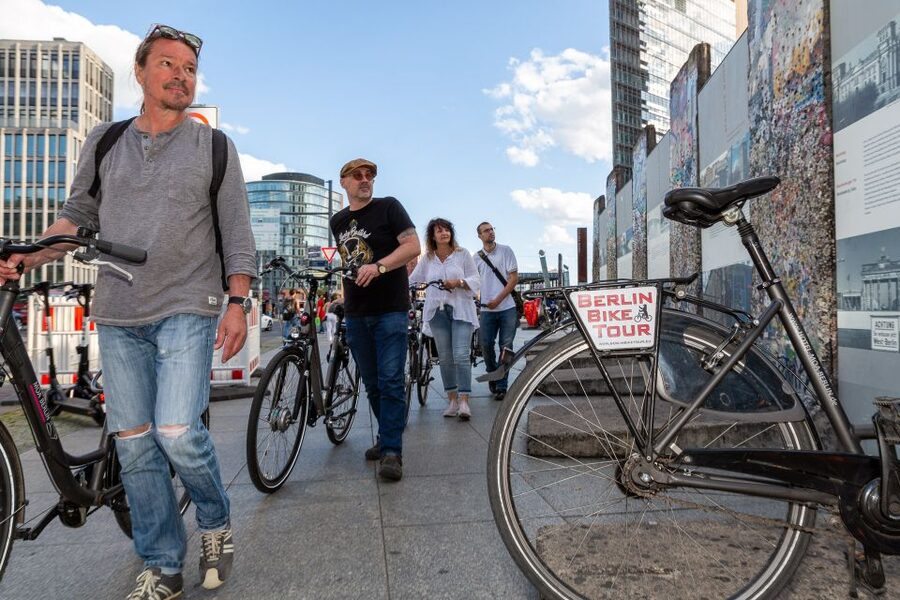
Then you head toward the Invaliden Graveyard and the former border-crossing at Invalidenstraße. This segment stands out because it shifts the tone. Instead of action-heavy landmarks, you get a quieter setting where remembrance does the talking.
For travelers, this is an important balance. If your only Wall experience is bright, central, and highly touristed, you miss the way the border’s consequences spread into places that now feel calm. The guide’s focus helps you see why those locations matter even when they don’t look dramatic at first glance.
If you’re traveling with a mix of ages or interests in your group, this is often the “everyone can connect” stop. You don’t need special Cold War knowledge to understand that a cemetery and a crossing point are linked by memory.
Government Bank to Parliament of Trees: a thoughtful, visual in-between
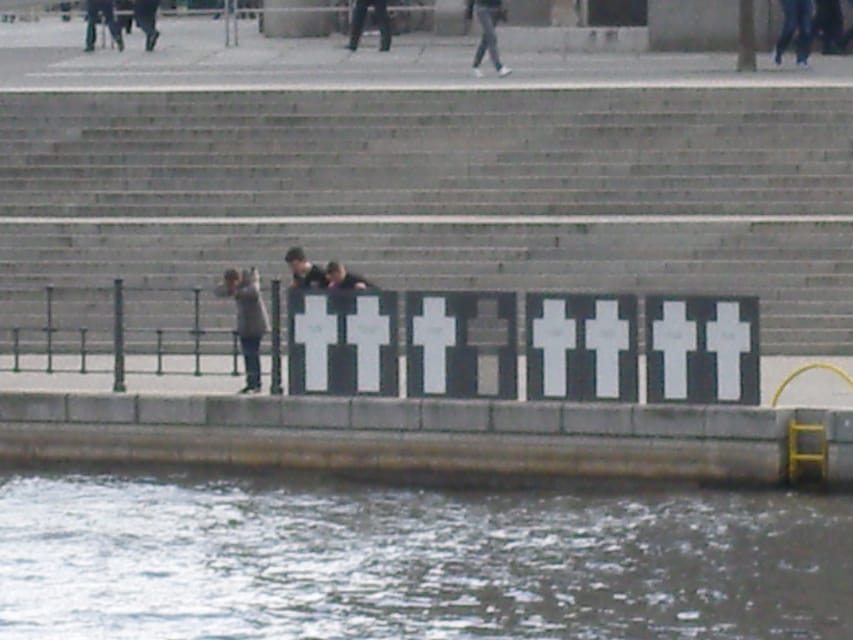
After the memorial-heavy segments, the tour includes a ride along the Government Bank to the Parliament of Trees. This is a different kind of Berlin education: the city’s political present and its symbolic spaces get woven into the route.
I like this portion because it reminds you that Wall history isn’t sealed in the past. It sits in the same city that now has institutions, public design choices, and new meanings. You’re still on the Wall route, but the story broadens beyond a single narrative of separation.
It’s also a good “breather” section. After emotionally intense stops, you can refocus on riding and noticing how the urban grid carries you forward.
Brandenburg Gate, Potsdamer Platz, Checkpoint Charlie, and Tränenpalast on Friedrichstraße
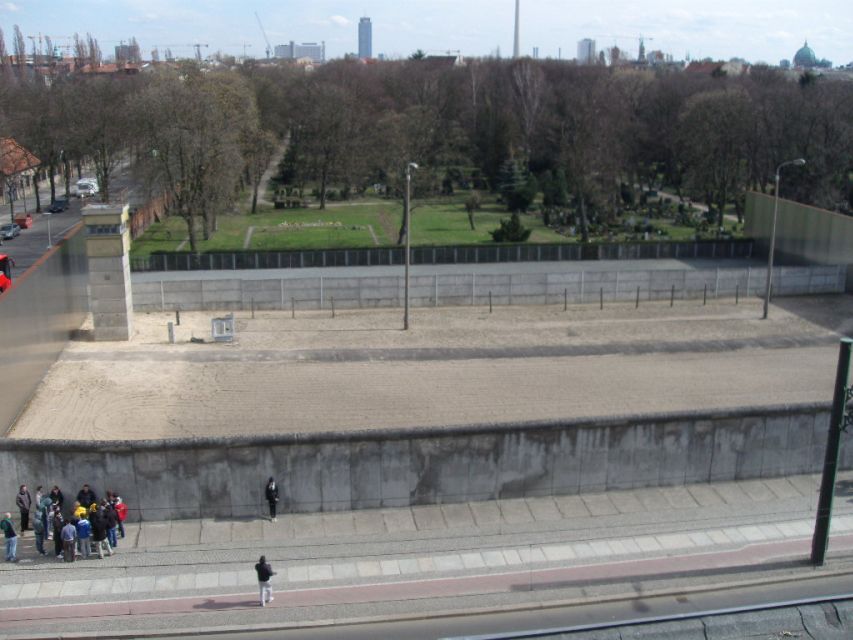
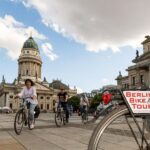
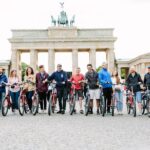
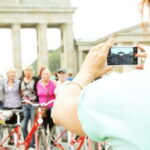
From here, the tour moves into the most recognizable Berlin names. You’ll ride past or visit major anchors including the Brandenburg Gate, Potsdamer Platz, and Checkpoint Charlie. These are famous for a reason, but the tour’s value is how it uses them as waypoints for the border story rather than as standalone photo stops.
You’ll also reach Tränenpalast on Friedrichstraße—the Palace of Tears. This is a strong ending theme, because it adds human scale to the border narrative. It’s not only about walls and checkpoints. It’s about what separation does to people.
A fun detail you’ll also experience: you follow pictures of rabbits on the ground on the route through parts of the area. It’s a playful break from the heavy material, and it helps you keep moving with your eyes on the route.
Along the ride, you’ll pass major sights such as Friedrichstadt Palace, Museum Island, the New Synagogue, and the Old Berlin Post Office. Even when you’re only seeing them from the bike, it helps you build a mental map of where the Wall story sits inside the broader city.
The 4-hour pacing: how to make the most of the ride time
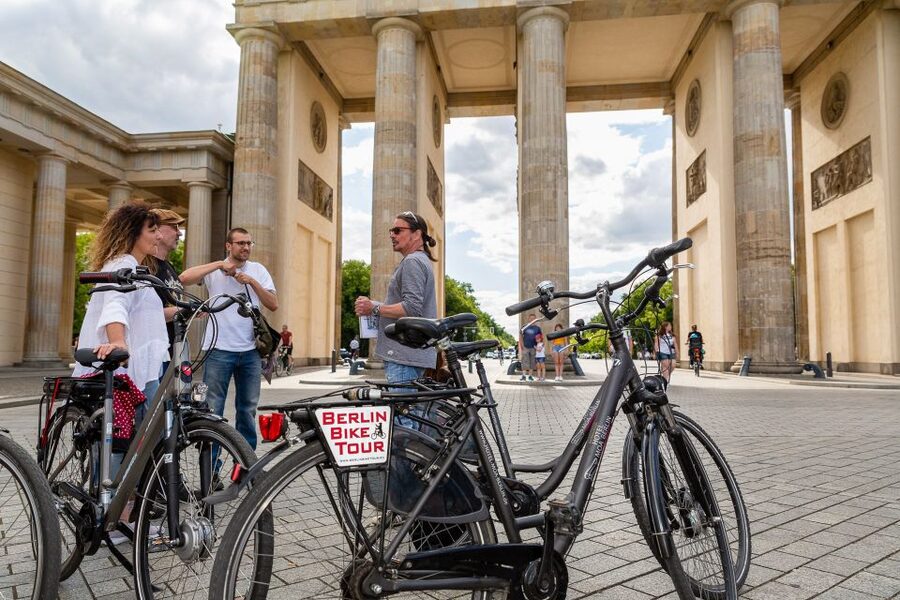
This tour is designed for a 4-hour cycle window, and that pacing matters. You’ll be out long enough to cover multiple key areas without getting stuck in a single stop too long. It’s a good fit if Berlin is already on your schedule and you want Wall history without sacrificing the rest of the day.
Because the group is limited to 8, you should expect the guide to manage stop timing well. You’ll get time at key places, but the tour stays focused on flow: riding between points, then stopping when the story demands it.
For best results, keep your camera ready but don’t over-photo at every corner. The guide will point you to the exact parts that matter, and it saves time compared with wandering on your own.
What to pack and how to handle all-weather cycling
This is an all-weather experience. The operator notes that on rainy days you’ll be given a rain poncho, which is the right kind of practical planning. You’ll want your own comfort basics too:
- Bring your passport or ID card
- Wear sunglasses and a sun hat
- Have a camera ready
- Avoid bringing luggage or large bags
I also recommend wearing shoes you don’t mind getting a bit dusty or wet. This is an active, street-level tour, so your clothing and grip matter more than on a sit-down attraction.
The meeting point is easy to reach by public transport, so you can plan your arrival without stress. Once you’re there, you just follow the group and let the guide do the heavy lifting.
Price and value: why $36 can be a smart use of time
At $36 per person, this is priced like a “ticket for an experience,” not an expensive private car tour. For that kind of money, you’re getting a bicycle, fees, and a city guide, plus equipment support like a rain poncho if needed.
What you’re really paying for is structure and interpretation. This route hits many major Berlin points—plus the less obvious border-related sites. Doing that yourself would take more than just time. You’d need to know where to stop, what to look for, and which stories match each location.
I think the value is strongest if you care about context. If you just want landmarks, you might get by on a self-guided walk plus transit. But if you want the Wall route to make sense, a guide at this price is hard to beat.
The guide factor: why this tour feels relaxed, not lecture-heavy
The reviews emphasize how well the guides keep the tour informative and relaxed. That’s not a small detail. The Wall is heavy material, and a good guide helps you take it in without feeling like you’re trapped in a history lecture.
In particular, you’ll hear praise for guides such as Marcus and Kathrin, with people calling out personal insights and the way the tour stays professional. Another theme that stood out: quiet side streets even near the center, which helps you move without the chaos of constant crowds.
That’s the practical magic of a small-group cycling format. It creates space for conversation and questions, and it helps the story land because you’re moving through the city that shaped it.
Who should book this Berlin Wall cycling tour
This tour fits best if you:
- Want Berlin Wall history without spending the whole day indoors
- Like seeing multiple sites in one coherent route
- Enjoy guided storytelling, not just sightseeing
- Prefer a small group where the pace stays human
It’s also a nice choice if you’re traveling with someone who finds classic Wall tours too intense or too long. The bike format adds energy and keeps things moving.
If you hate riding in mixed city conditions or you’re expecting vast amounts of preserved Wall structure, you might feel slightly limited. The tour leans on traces and explanation—especially for the Wall remnants that aren’t intact anymore.
Should you book this tour?
Yes, if you want a guided way to connect crossings, memorials, and major landmarks into one rideable story. The small-group size, the strong emphasis on the border route, and the fact that you cover both recognizable Berlin icons and Wall-relevant sites makes it a smart use of a half-day.
Book it especially if you like learning with your eyes and legs working together. You’ll come away with a clearer sense of how the border shaped the city—and how Berlin chose to remember.
FAQ
How long is the Berlin Wall history cycling tour?
The tour lasts about 4 hours.
How big is the group?
It’s a small group capped at 8 participants, with a minimum of 3.
Where do I meet the guide?
Meet your guide at 75 Bornholmer Straße, Berlin 10439.
Is the tour suitable for rainy weather?
Yes. The tour runs in all weathers, and on rainy days you’ll be given a rain poncho.
What should I bring?
Bring your passport or ID card, sunglasses, a sun hat, and a camera.
Is food included?
No. Food and drink are not included.