REVIEW · KYOTO
Pedal Adventure Kyoto’s iconic landmarks on an e-bike tour
Book on Viator →Operated by Pedal Adventure Kyoto · Bookable on Viator
Quiet Kyoto, faster on an e-bike. This Pedal Adventure Kyoto ride strings together Gion and Fushimi Inari-taisha with snack stops and clear English support, so you’re not just checking boxes. I like that the e-assist makes the route feel manageable even when the day is hot, but do expect some busy-road crossings where you’ll need to stay alert.
The small group size is a real quality-of-life win. You’ll start at 19 Shōgoin Higashimachi and get helmets, bottled water, and snacks, then cruise at an easy pace with time to ask questions.
Plan for one thing: lunch is not included. If you bike on an empty stomach, you’ll want to grab food before you meet, or you might end up relying on snacks mid-tour.
In This Review
- Quick highlights
- Why Kyoto on an e-bike beats the usual day
- Meeting at 19 Shōgoin Higashimachi and getting comfortable fast
- Gion: back streets, Geisha culture, and what to watch for
- Higashiyama Ward and a temple stop with a snack break
- Fushimi Inari-taisha: torii gates you can pace yourself through
- Tōfuku-ji and the Kamogawa River ride back
- The guide factor: Maki/Mika style, English, humor, and safety hands
- What you actually get for $86.22 (and why it’s more than transport)
- Timing, heat, and rain: how to plan your day smart
- Itinerary feel: why the 4-hour structure works
- Who should book this Kyoto e-bike tour
- FAQ
- FAQ
- How long is the Kyoto e-bike tour?
- What is included in the price?
- Are admission tickets included for Gion, the shrine, and the temples?
- Where does the tour start?
- Is lunch included?
- What happens if the weather is bad?
- How many people are in a group?
- Should you book Pedal Adventure Kyoto?
Quick highlights
- E-bike help that keeps Kyoto easy on your legs (less grinding, more cruising)
- Gion + Geisha/maiko culture without the pressure of a giant crowd
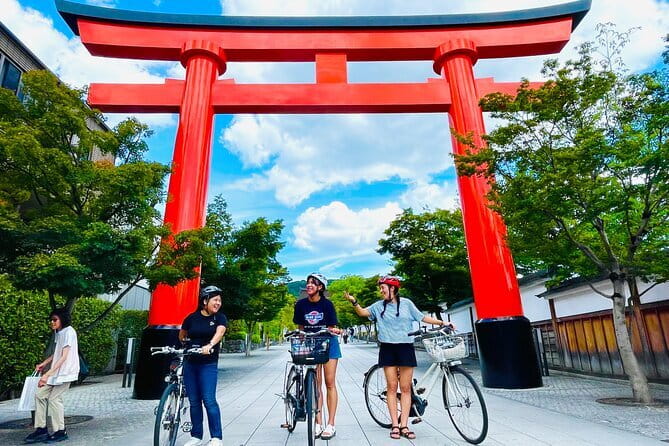
- Fushimi Inari-taisha torii gates with time to actually look
- Tōfuku-ji complex plus a calm rhythm along the Kamogawa River
- Small group (max 8) so safety tips and questions don’t get skipped
Why Kyoto on an e-bike beats the usual day
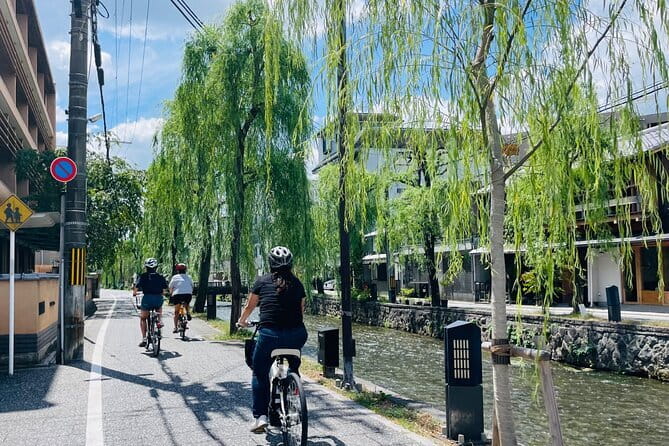
Kyoto is gorgeous, but it’s also spread out. Walking nonstop can turn “temple day” into “temple endurance,” especially if you’re balancing trains, transfers, and queues. An e-bike solves that math.
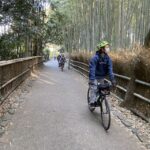
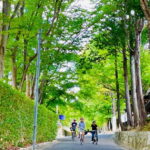
On this tour, you cover famous sights and then slip into quieter lanes. The pacing also matters: you’re not sprinting between photo spots. You’ll ride, stop, learn, and move on, with built-in breaks that keep you from feeling rushed.
And yes, you’ll still hit iconic Kyoto. But you’ll also get the kind of context that helps the places make sense once you’re standing in front of them.
You can also read our reviews of more tours and experiences in Kyoto.
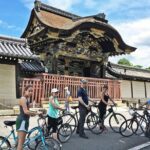
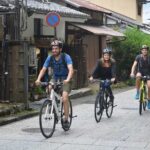
Meeting at 19 Shōgoin Higashimachi and getting comfortable fast
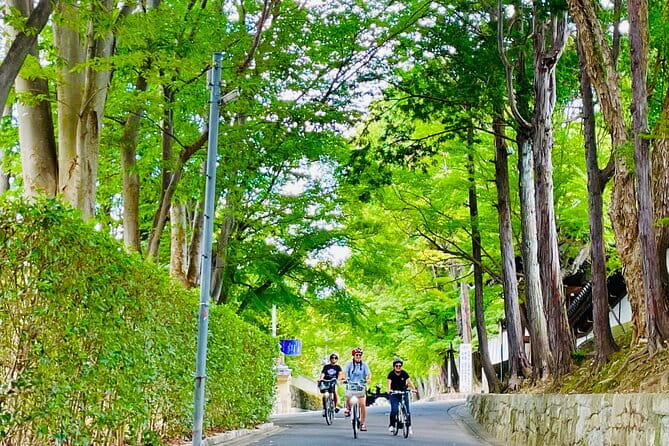
You meet at 19 Shōgoin Higashimachi in Sakyo Ward, Kyoto. The start point is near public transportation, which makes it easier to stitch this tour into a bigger itinerary.
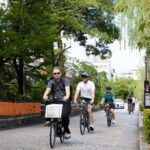
After you arrive, you get kitted out with an e-bike and helmet. You’ll also get an English-speaking route coordinator who guides the ride and helps with cultural background at the stops.
This is the part I like most: you’re not dropped in the deep end. You get a short setup ride first, then you roll out into Kyoto with a plan. The bikes are described as comfortable and well maintained, and several reviews mention baskets too, which is handy for bags, jackets, or keeping your hands free.
Gion: back streets, Geisha culture, and what to watch for
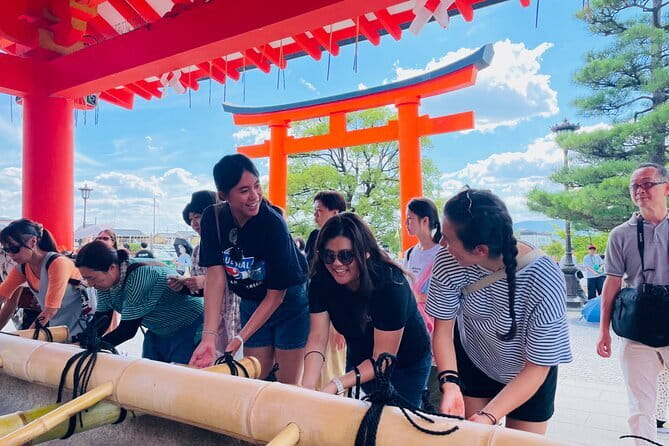
Gion is where Kyoto turns cinematic. Narrow streets, traditional architecture, and the feeling that the city is moving at a different tempo. The tour gets you there early enough to catch the area’s vibe before everything compresses into peak crowd energy.
You spend time in Gion after a short ride from the meeting point. The focus is not just scenery. Your guide explains Geisha culture and what you might notice in the streets.
Here’s the practical value: Gion can be confusing if you only know it from postcards. With the right context, you’ll recognize the signals—like why certain practices exist and how daily life ties into the performance world. It also helps you stay respectful when you’re near people going about their evening routines.
One more thing: the tour keeps the time efficient at this stop. That’s good if you want more than one major landmark in a single day. If you’re the type who likes to linger for 60–90 minutes per neighborhood, you might find the Gion window short.
Higashiyama Ward and a temple stop with a snack break
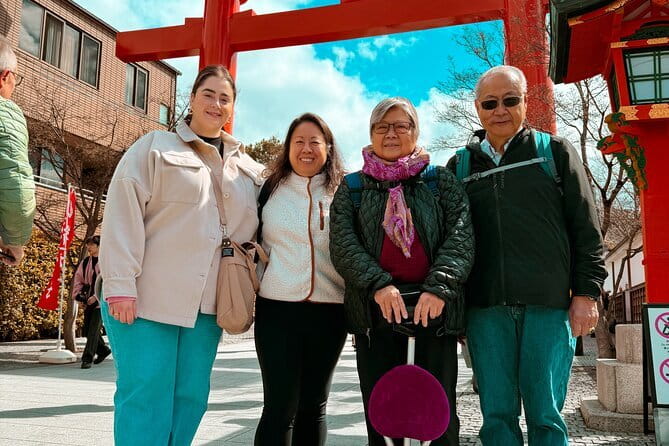
After Gion, you cycle toward the Higashiyama area, and the day shifts from neighborhood atmosphere to sacred-site rhythm. This segment is part ride, part guided exploration, with time to pause in a temple setting.
At the temple stop in Higashiyama Ward, the tour includes a quick snack. That matters more than it sounds. Kyoto can be warm and humid in summer, and short breaks keep everyone focused instead of dragging through the next segment.
This stop is also where the cultural lessons feel most tangible. You’ll get explanations tied to Buddhism and Shintoism, plus how everyday objects and traditions show up in street life and shrine spaces. You’ll likely spot things you’d otherwise walk past without noticing.
The trade-off is simple: because the tour runs on a 4-hour timeline, you won’t get unlimited time in one place. You’re here for understanding plus a satisfying overview.
Fushimi Inari-taisha: torii gates you can pace yourself through
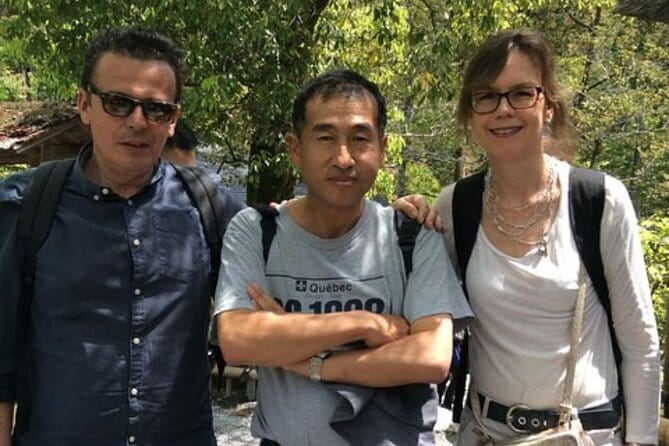
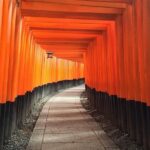
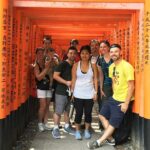
Fushimi Inari-taisha is the big headline, and the tour gives it real time. You’ll spend about 40 minutes at the shrine gates, and that’s enough to do more than quick photos.
The best part of arriving on an e-bike route is how the pacing changes. You’re not trapped in a slow-moving tourist bottleneck the entire time. You’re still in a famous area, but you get a guided flow that helps you know where to look and what you’re looking at.
Your guide also brings context around Shinto practices, shrine symbolism, and etiquette. That turns the torii tunnels into more than a maze of gates. You start to understand why people visit, how rituals work, and what details mean.
A fun highlight from past groups: there’s time that can include fortune-telling at the shrines. If that sounds like your kind of cultural souvenir, you’ll likely enjoy the extra moment beyond just sightseeing.
Tōfuku-ji and the Kamogawa River ride back
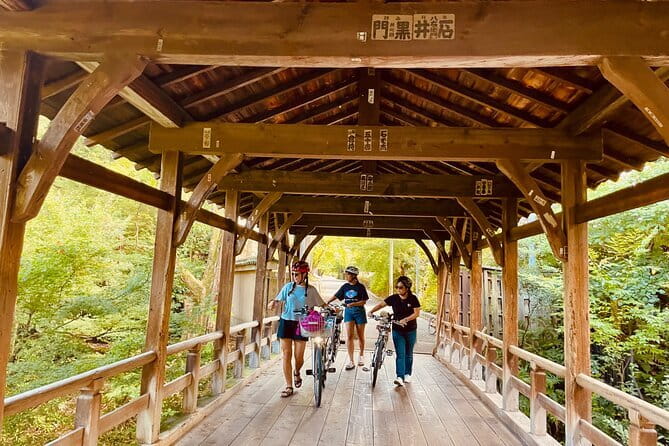
After Fushimi Inari-taisha, you ride about 10 minutes to the Tōfuku-ji temple complex. Then you follow the Kamogawa River back toward the start.
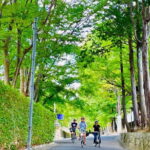
This portion is a nice balance. You move from shrine spectacle to calmer temple surroundings, then end with a ride that feels like Kyoto breathing. The river path gives you open sightlines, a change of pace, and a break from the intensity of landmark crowds.
The time allocation here is tighter than at Fushimi Inari, but it’s built for variety. You’re getting a different kind of atmosphere without letting the day stall out.
If you like photos with breathing room, or if you want a moment where the city feels local instead of hyper-famous, the Kamogawa segment is the “exhale” part of the itinerary.
The guide factor: Maki/Mika style, English, humor, and safety hands
The quality of this tour is heavily tied to the guide. Reviews consistently highlight a guide named Maki (sometimes spelled Mika in written feedback), with a style that mixes humor, personal Kyoto stories, and clear explanations in English.
I like what that means for you: you’ll get more than facts. You’ll hear why customs exist, how Shinto and Buddhist ideas show up in daily life, and how people actually think about these traditions.
Safety also comes up in a practical way. One recurring detail is the use of hand signals while biking. That’s the kind of boring detail that prevents chaos. It tells you the guide is thinking about the whole group, not just reaching the next stop.
You may also notice extra care during heat or sudden rain. Some groups mention shelter during on-and-off rain and cooling support on hot days. Even when nothing “goes wrong,” that kind of preparation makes the experience feel smoother.
What you actually get for $86.22 (and why it’s more than transport)
At $86.22 per person for roughly 4 hours, you’re paying for three things at once: bike access, guided time, and cultural interpretation.
Let’s break it down without hand-waving:
- You get the e-bike, helmet, bottled water, and snacks included.
- You’re not buying separate admission tickets for the stops listed on the route.
- You’re paying for an English-speaking coordinator to manage pacing and explain what you see.
If you tried to DIY this with trains plus bike rental plus figuring out a route, you’d burn time and mental energy. Kyoto is easy to get lost in, especially when you want specific neighborhoods like Gion and Higashiyama plus Fushimi Inari and Tōfuku-ji.
The value gets even better if you like learning while you move. The “ride plus context” approach is exactly where e-bikes shine.
Also, the tour runs with a maximum of 8 people. Smaller groups often mean more attention and fewer “waiting for the last person” slowdowns.
Timing, heat, and rain: how to plan your day smart
This experience is described as requiring good weather. If the weather turns, you’ll be offered a different date or a full refund.
That’s only half the story, though. Based on real-world accounts, weather surprises happen in Kyoto. On rainy patches, the guide has helped groups find shelter and keep the tour going when possible. That’s why it helps to treat rain protection as part of your plan, not a bonus.
For heat, think ahead. Several reviews mention hot weather and the guide’s efforts to keep people comfortable. Still, it’s on you to be sensible: bring water habits you trust, and consider electrolyte support if you’re biking in summer.
A simple packing checklist for you:
- Light rain layer or umbrella
- Sunscreen and a hat (Kyoto sun can be punchy)
- A small bag you’re okay carrying (the bikes may have baskets, but don’t bring luggage)
- Comfortable shoes for temple areas
Itinerary feel: why the 4-hour structure works
The structure is built like a day that avoids the two extremes: rushing nonstop or lingering so long you lose energy.
You start near Gion, then head to Higashiyama for a temple stop with a snack. After that, you hit Fushimi Inari-taisha, where time matters so you don’t feel like you only glanced at the torii. Then you close with Tōfuku-ji and the river ride back.
That flow makes sense: neighborhood → sacred-site learning → icon landmark → calmer wrap-up.
And you can ask questions along the way, including topics tied to Buddhism, Shintoism, and even samurai-era themes. If you’re the curious type, this is the kind of tour that rewards asking.
Who should book this Kyoto e-bike tour
This is a strong match for you if:
- You want a Kyoto overview without spending the whole day on trains and foot traffic
- You want famous places plus quieter street moments
- You like cultural context, not just photos
- You prefer a small-group ride with safety guidance
It may be less ideal if:
- You want only one or two sights with long stays
- You hate biking near traffic at all (even with an e-bike, you’ll still ride through city streets)
- You need lunch included and don’t want to plan ahead
Overall, this tour is made for people who want to see a lot while still feeling cared for.
FAQ
FAQ
How long is the Kyoto e-bike tour?
It runs for about 4 hours.
What is included in the price?
You get the use of the bicycle, a helmet, bottled water, snacks, and an English-speaking route coordinator.
Are admission tickets included for Gion, the shrine, and the temples?
The stops listed on the route show admission tickets as free.
Where does the tour start?
It starts at 19 Shōgoin Higashimachi, Sakyo Ward, Kyoto, 606-8325, Japan, and it ends back at the meeting point.
Is lunch included?
No. Lunch is not included.
What happens if the weather is bad?
This experience requires good weather. If it’s canceled due to poor weather, you’ll be offered a different date or a full refund.
How many people are in a group?
The tour has a maximum of 8 travelers.
Should you book Pedal Adventure Kyoto?
If you want a practical, high-value Kyoto day with famous landmarks plus quieter street riding, I’d book it. The e-bike setup, included water and snacks, small group size, and guide-led context make this feel efficient without feeling rushed.
Choose it especially if you like asking questions and learning why places and customs work the way they do. If you’re okay planning your lunch and staying alert during city street segments, this is a smart way to see Kyoto in one 4-hour block.