REVIEW · KYOTO
Kyoto: Full Day Bike Tour
Book on GetYourGuide →Operated by Cycle Kyoto · Bookable on GetYourGuide
Kyoto has a way of rewarding slow travel, and this full-day bike loop is about moving at a human pace. I like the mix of headline temples and quieter neighborhoods, plus the English-speaking guides who stick with you through the backstreets. The one trade-off: it’s a real bike day, so if you’re not comfortable riding for hours (or you’re sensitive to heat and crowds), you’ll feel it.
What makes this tour work so well is that it’s not just sightseeing-by-checklist. You start with major Kyoto anchors like Toji and Golden Pavilion, then you shift into the side streets where the city feels lived-in, including Gion and the Kamo River area. And when the guide is someone like Shawn or Jay, the day tends to flow with clear explanations and lots of patience when people need a moment.
You’ll also be glad you’re not stuck in a single “temple cadence.” The day includes stops that change the mood—shopping arcades, gardens, shrines, and a proper traditional lunch—so your energy stays steadier than it would on a strictly temple-focused route.
In This Review
- Key highlights I’d plan around
- Why a Kyoto bike tour beats a bus day
- Getting fitted at Cycle Kyoto and setting yourself up for comfort
- Toji Temple: the day’s historic warm-up
- Nishi Hongan-ji and Kitano Tenmangū: temples plus real Kyoto pacing
- Kinkaku-ji (Golden Pavilion): included entry, short guided context, then explore
- Lunch in a local restaurant: a break that feels like a find
- Kyoto Imperial Palace area and the Kamo River photo stop
- Gion backstreets: the day’s most atmospheric ride
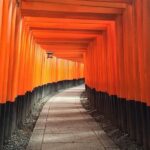
- Fushimi Inari Taisha: Senbon Torii at the right tempo
- E-bike option and bike comfort: what matters during a 450-minute day
- Price and value: what $116 buys you on the ground
- Who this tour suits best (and who should skip it)
- Should you book the Kyoto Full Day Bike Tour?
- FAQ
- FAQ
- What’s included in the Kyoto Full Day Bike Tour?
- How long is the tour?
- What time does the tour start?
- Are the guides fluent in English?
- Do I need my own bike?
- Can I request an e-bike?
- Is Golden Pavilion entry included?
- Is lunch included, and does it stay the same?
- What should I bring and wear?
- What happens in heavy rain?
Key highlights I’d plan around
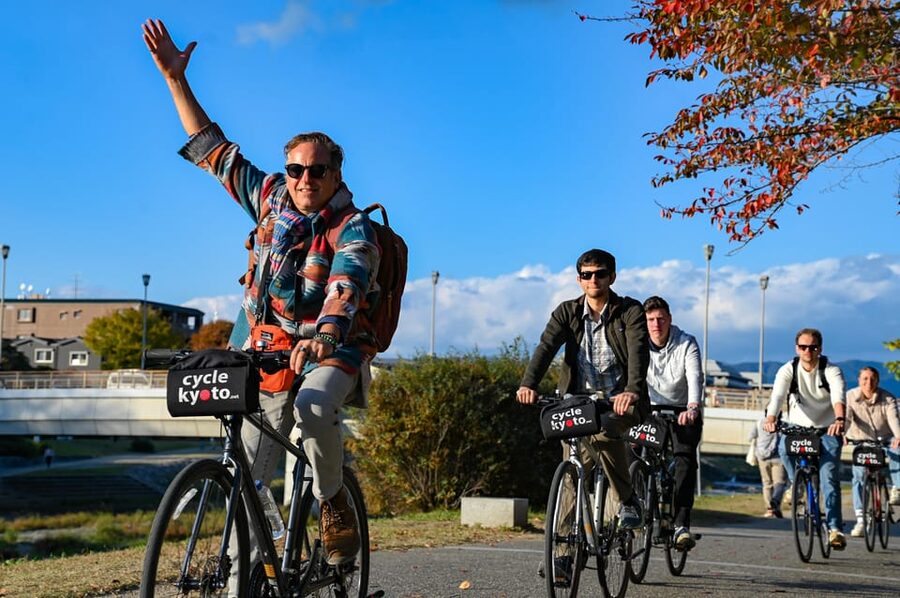
- Small group size (up to 9) means more attention during turns and slower moments.
- English guides with Japan experience keep context flowing, even when the route gets twisty.
- Well-maintained Giant and Trek cross bikes, plus helmets and smooth handling for city streets.
- A balanced route: famous sites like Kinkaku-ji and Fushimi Inari, plus neighborhood riding you’d skip solo.
- Lunch + Golden Pavilion entry included, so you’re not budgeting for surprise extras mid-day.
- E-bikes available on request, helpful if you want an easier cruise or extra buffer for hills and fatigue.
Why a Kyoto bike tour beats a bus day
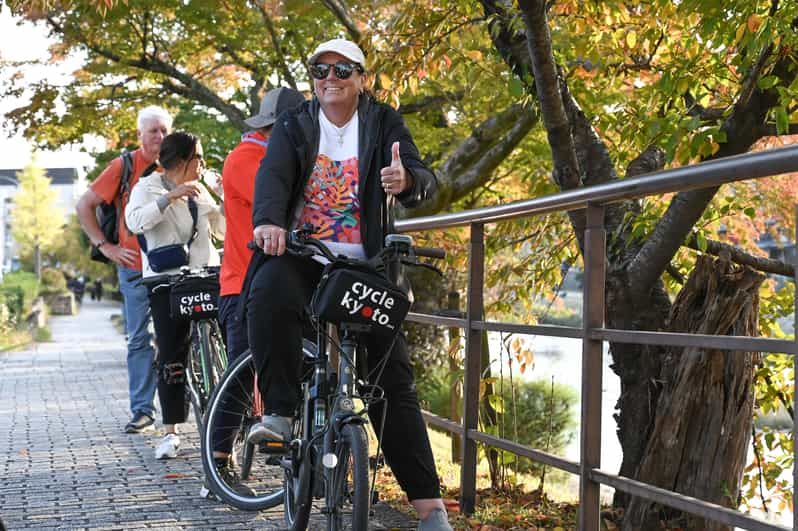
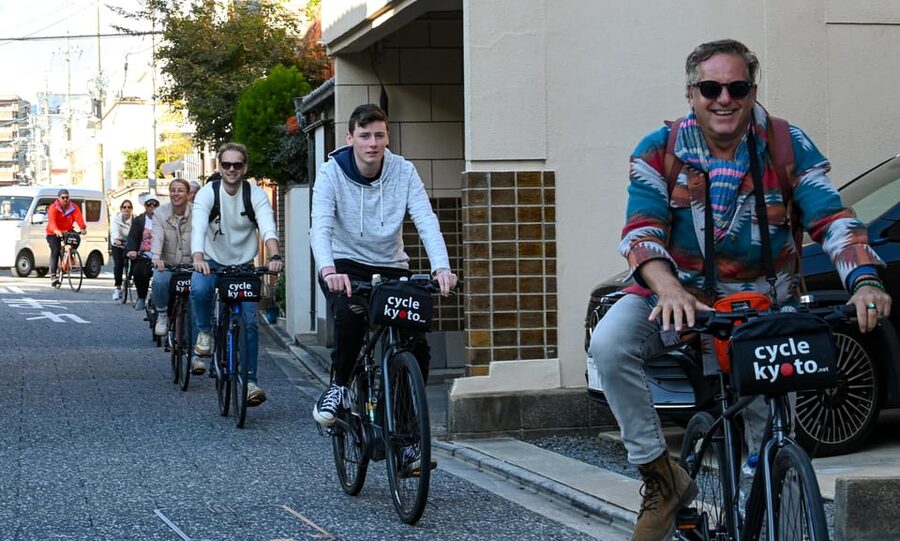
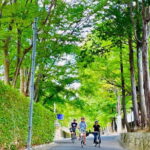
Kyoto is famous for temples, but it’s also famous for the way the city is stitched together—small roads, side alleys, and sudden changes in scenery. A bike day is one of the best ways to experience that rhythm. You cover distance fast, but you still move through places at the pace where details matter: storefronts, old walls, shrine approaches, and the little pauses where the city suddenly goes quiet.
This tour also does something smart for limited time. It combines two courses into one all-you-can-Kyoto day, so you’re not forcing yourself to choose between “major sights” and “local neighborhoods.” The route keeps switching gears: temples to shopping streets, shrine grounds to river-side photo stops, and Gion’s back lanes to the steps and torii approach at Fushimi Inari.
The final reason I like this setup: it’s structured for flow, not chaos. You get a safety briefing early, your bike fitting happens before you roll, and the pace is built around short guided segments plus breathing room when it’s time to take photos, stretch, or grab a snack.
You can also read our reviews of more tours and experiences in Kyoto.
Getting fitted at Cycle Kyoto and setting yourself up for comfort
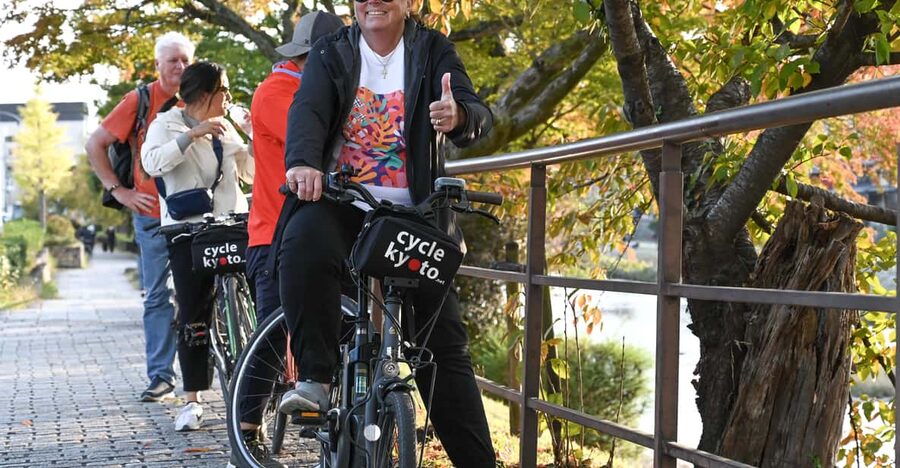
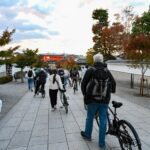
The day starts at 9:30 AM sharp, so arriving about 15 minutes early helps you avoid stress. You meet at Cycle Kyoto, fit the bike, and get the basics for how the group will ride. For me, that first step matters more than people think, because a bad fit turns the rest of the day into effort.
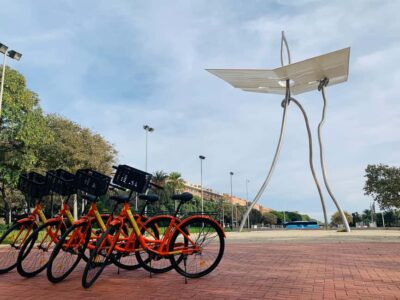
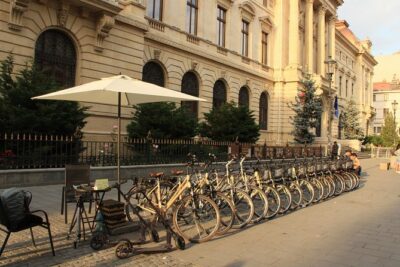
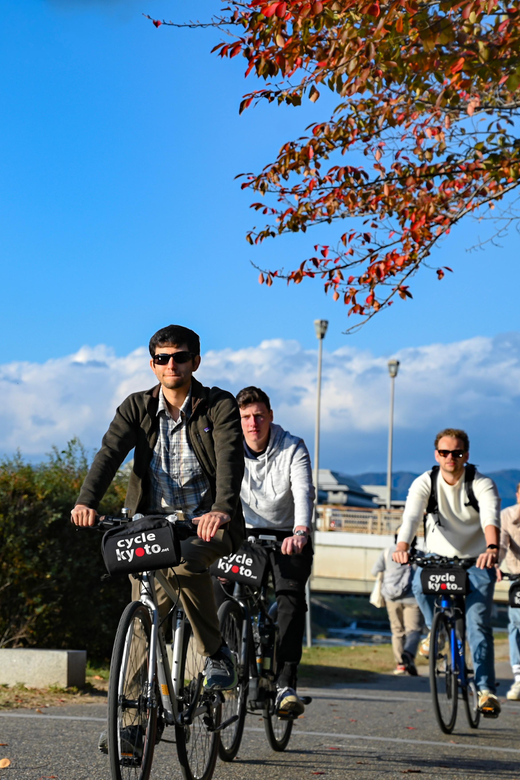
You’ll ride cross bikes from Giant and Trek, and they’re designed for mixed city surfaces rather than only smooth roads. That’s what you want in Kyoto: you’ll see a mix of pavement, busier corridors, and calmer lanes. Helmets are included, which is a small thing that makes the whole day feel safer.
Personal luggage storage is limited on the bikes, so keep your carry small. You can leave larger luggage in the shop’s secure storage so you aren’t biking with a heavy bag bouncing against your back.
Toji Temple: the day’s historic warm-up
You begin at Toji, described as Kyoto’s oldest temple in this route. This stop is your early “get your bearings” moment. You get time to look around and settle into the day, before the schedule starts stacking up.
Toji is also a good first choice because it’s instantly recognizable as Kyoto’s spiritual side, but it’s not the most crowded “late-morning photobooth” kind of stop. It sets the tone: you’re here for serious sights, but you’re also going to be moving through neighborhoods in between.
Practical tip: wear comfortable shoes and plan on being on your feet inside the temple grounds. Even if you’re riding, your walking time adds up across the day.
Nishi Hongan-ji and Kitano Tenmangū: temples plus real Kyoto pacing
From Toji, you ride a short stretch to Nishi Hongan-ji, where you get a guided visit. This is one of those moments where a guide can make the difference between seeing a building and understanding why it matters. You get about 50 minutes here, which gives you time to look without rushing.
Next, the route heads through Sanjo’s shopping energy and onward to Shinsen-en gardens, before continuing to Kitano Tenmangū Shrine. Kitano Tenmangū has a calmer feel than some of Kyoto’s biggest-ticket areas, and it’s a nice counterweight after the busier parts of the city.
The guided time at Kitano Tenmangū is about an hour. That matters because shrine areas can be easy to skim. With a guide, you’re more likely to notice what you’d otherwise miss: patterns, symbolism, and the reasons people come beyond the postcard.
If you’re thinking about whether you’ll enjoy this day, this is where you’ll feel it. If you like learning while you move, the structure of these temple-and-shrine stops usually clicks fast.
Kinkaku-ji (Golden Pavilion): included entry, short guided context, then explore
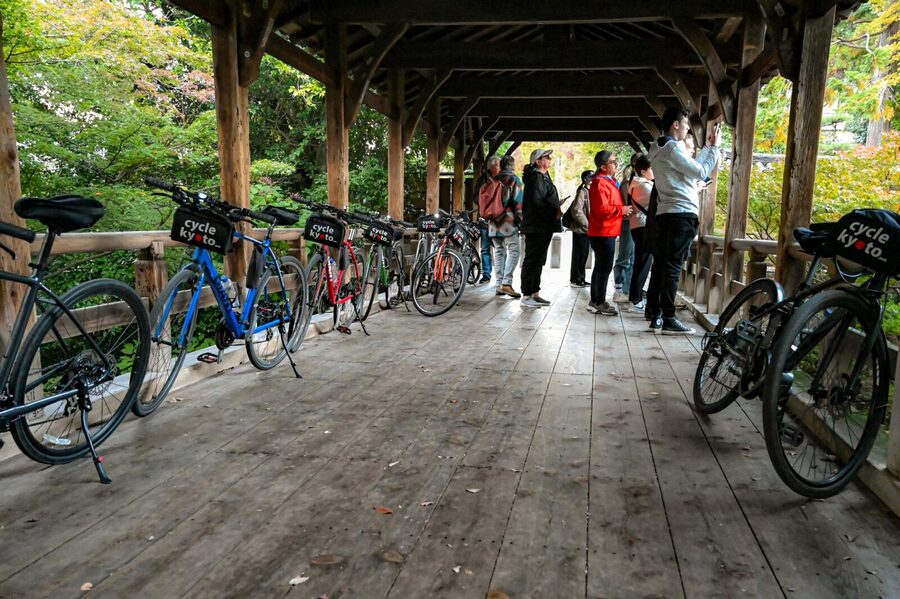
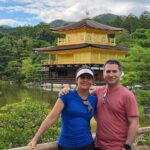
From Kitano Tenmangū, the route lands at Kinkaku-ji, commonly known as the Golden Pavilion. Entrance is included, so you aren’t hunting for tickets mid-route.
You spend about an hour here, with roughly 25 minutes spent exploring the site after arriving. That time window is realistic: you get enough to see the pavilion and surroundings, but you’re not stuck in a long, slow loop that burns the rest of your day.
A heads-up for your expectations: Kinkaku-ji is a major attraction, so plan for crowds and photo lines. The tour’s value isn’t avoiding people—it’s giving you a clear start, an efficient visit window, and the momentum to keep going after you’ve seen the headline.
Lunch in a local restaurant: a break that feels like a find
Lunch is included, and it’s one of the best reasons to do a guided bike day rather than self-navigate. The restaurant can vary based on availability, but the day is built around a real meal stop rather than a rushed grab.
This matters because a “temple day” can otherwise turn into snack-on-the-go fatigue. Here, you get around an hour for lunch, which gives you time to eat and reset. In the experience, guides including Karl and Jay have led groups to spots people wouldn’t find on their own—like ramen styles such as a duck broth, plus other comfort-food choices with local character.
What to do: keep your water handy and don’t plan to overdo extra shopping right before lunch. The day keeps moving into river and backstreet territory afterward.
Kyoto Imperial Palace area and the Kamo River photo stop
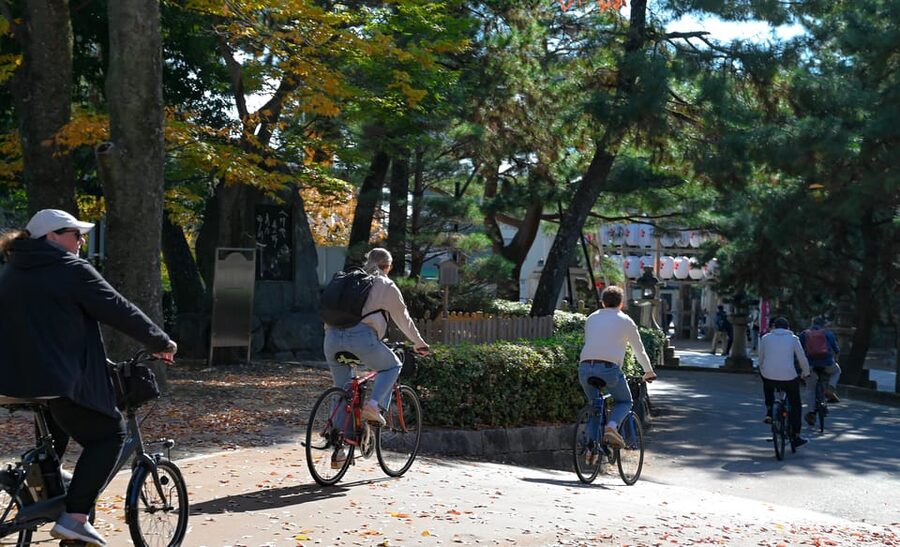
After lunch, you head toward the Kyoto Imperial Palace area. You get about an hour here, which is a good chunk for a change of pace. Palace grounds feel different from temples and shrines; you get more openness and a calmer, formal atmosphere.
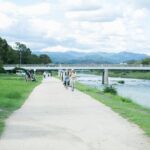
Then you ride to the Kamo River for a photo stop (about 40 minutes). This is a smart “breather moment.” The river area gives you space to slow down, take a few photos, and mentally switch from “walking on sacred grounds” mode to “Kyoto street scene” mode.
If you like photography, this is where I’d aim to be ready: charged battery, camera strap secure, and a quick look for good angles. The time window is short enough that planning your shot saves frustration later.
Gion backstreets: the day’s most atmospheric ride
Next comes Gion, Kyoto’s famous Geisha district. You don’t just pass through it at highway speed—you get a guided look that’s designed to help you understand the area rather than simply glance at it.
You spend about an hour in Gion with a guide. That’s enough time to see the streets and get context for how the neighborhood works, without turning it into a stiff lecture. A guide can also help you read the scene respectfully, since this is a place where tradition and daily life share space.
From there, the route continues south toward Tofukuji Temple. You’re given a photo stop of around 30 minutes. Tofukuji’s torii approach and temple setting are the kind of details that look best when you’re positioned right and not rushing.
Fushimi Inari Taisha: Senbon Torii at the right tempo
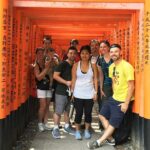
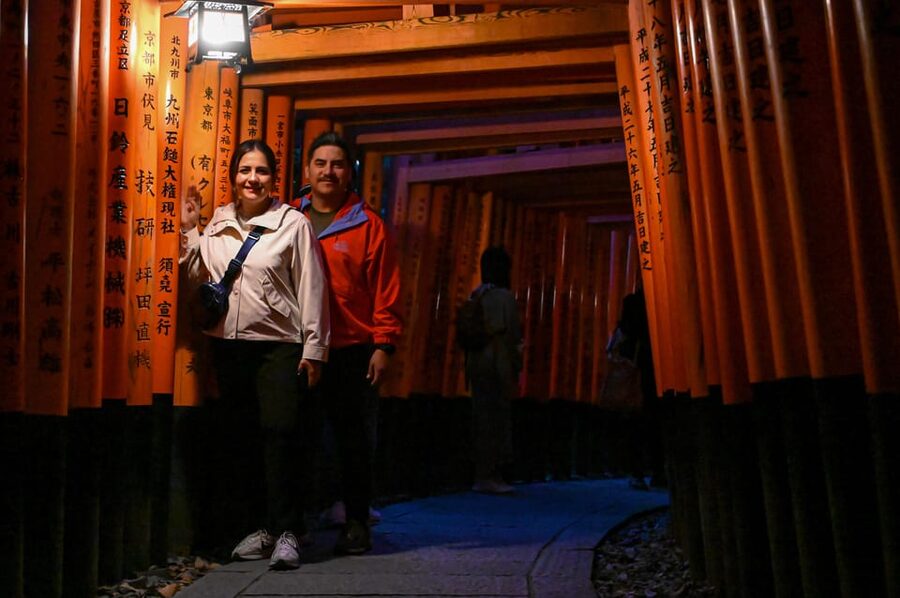
The final big payoff is Fushimi Inari Taisha, specifically the Senbon Torii route. You get about an hour here with guided touring, plus time to experience the approach and the atmosphere of the torii gates.
This is one of Kyoto’s most iconic sites, and it’s also physically demanding if you try to do everything. The tour’s structure helps because you’re not starting the climb totally cold—your day has already transitioned through temples, shrines, and pacing changes that keep your legs from shocking all at once.
Still, be realistic: you’ll want comfortable clothing and shoes, and you’ll likely do some stair and incline walking depending on what you choose to see.
When you reach the torii gates, the value of a guide becomes less about facts and more about timing and route choices—getting you into the right flow so you can enjoy the place rather than fight the crowd rhythm.
E-bike option and bike comfort: what matters during a 450-minute day
This is a 450-minute day, which is long enough that bike comfort and energy management are not optional. The good news is the bikes are described as well-maintained Giant and Trek cross bikes, and the routes are generally safe with low-traffic riding in the areas that matter.
If you’re worried about your stamina, the tour offers e-bikes upon request. That’s a smart safety valve. Even if you don’t need it for every segment, it can help you arrive at the end of the day with enough energy to enjoy Fushimi Inari instead of just surviving it.
Also, Kyoto’s geography can feel steep in small pockets. This route is built for city riding, but you still want to bring water and take breaks when offered. Bring a hat and sunscreen—this is the kind of day where the sun can sneak up on you while you’re focusing on sights.
Price and value: what $116 buys you on the ground
At $116 per person, this tour isn’t a budget impulse buy. But it also isn’t just a bike rental with a random map. You’re paying for several things that reduce your hassle and increase your quality of time:
- A small group capped at 9 participants
- English-speaking guides with time in Japan (so you get local context, not just recited facts)
- Bike rental and helmet
- Entrance to Kinkaku-ji
- Traditional Japanese lunch
- A route that mixes major landmarks with neighborhood riding
For many people, the biggest “value” isn’t the ticket line or the included lunch—it’s the friction removed. You don’t have to figure out how to stitch together Toji, Kinkaku-ji, Gion, and Fushimi Inari efficiently while also finding a decent place to eat. The guided flow keeps your day coherent.
The drawback on the value side is that you’re still committing to a full, active day. If you want Kyoto in shorter chunks, or if biking for hours sounds like a stretch, you’ll get less satisfaction from this format.
Who this tour suits best (and who should skip it)
This tour is aimed at people who want to cover a lot of Kyoto without giving up the street-level feel. It’s a good match for:
- Active adults who can ride comfortably for several hours
- Travelers who care about learning context as they go (especially when guides like Shawn, Juan, Karl, and Jay bring the day to life)
- People who want a mix of headline sites and less obvious neighborhood atmosphere
It’s not suitable for:
- Children under 12
- Pregnant women
- Anyone who can’t ride a bike
If you can ride a bike but you’re anxious, consider requesting an e-bike early. It’s not just for hills; it can be peace of mind for long travel days.
Should you book the Kyoto Full Day Bike Tour?
Book it if you want Kyoto to feel like you’re moving through real neighborhoods, not just hopping between boxed-in attractions. The combination of English guides, small-group attention, included Kinkaku-ji entry, and a proper lunch is the kind of value that pays off quickly when you’re trying to see a lot in one day.
Skip it if you’d rather take Kyoto slow at a walking pace with fewer stops, or if riding for most of the day sounds exhausting. This is a full-day format, and it works best when you’re ready for that rhythm.
FAQ
FAQ
What’s included in the Kyoto Full Day Bike Tour?
Bike rental, a helmet, entrance to the Golden Pavilion (Kinkaku-ji), and a traditional Japanese lunch are included.
How long is the tour?
The total duration is 450 minutes.
What time does the tour start?
It starts at 9:30 AM sharp, and you should arrive 15 minutes early.
Are the guides fluent in English?
Yes, the guides are fluent in English, and they’ve lived in Japan for considerable time.
Do I need my own bike?
No. Bikes are provided, and you’ll get fitted before you ride.
Can I request an e-bike?
Yes, e-bikes are available upon request.
Is Golden Pavilion entry included?
Yes, the entrance fee to Kinkaku-ji (Golden Pavilion) is included.
Is lunch included, and does it stay the same?
Lunch is included, and the lunch location may vary depending on availability.
What should I bring and wear?
Bring comfortable shoes, a hat, a camera, sunscreen, and water. Wear clothing suitable for biking.
What happens in heavy rain?
The tour does not operate in all weather conditions. In case of heavy rain, it will be cancelled and refunds will be provided.