REVIEW · KYOTO
Kyoto: Fushimi Inari Shrine and Tofukuji Temple E-Bike Tour
Book on GetYourGuide →Operated by Pedal Adventure Kyoto · Bookable on GetYourGuide
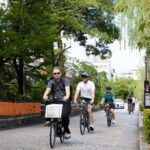
Kyoto’s torii gates look better on wheels. This 4-hour e-bike tour pairs famous landmarks with quieter streets, taught by English-speaking local guide Maki, and it’s built for asking questions as you ride. You’ll start near Higashiyama-Sanjo, cruise through everyday Kyoto, then hit Fushimi Inari Shrine and the Zen garden at Tofukuji.
What I really like is the mix of big-name sights and real neighborhood atmosphere, especially the ride through Gion where you learn how Kyoto customs work beyond the photo spots. I also like the pacing: frequent stops, clear riding guidance, and time to take in the meditative feel at Tofukuji instead of rushing straight through.
One thing to consider: the tour is only about 4 hours, so if you want a super-long, unhurried linger at Fushimi Inari (or you’re slower on the bike), you may feel like you could use a bit more time there. It’s also not for everyone physically, since it involves cycling plus some walking.
In This Review
- Key Things to Know Before You Ride
- Why E-Bikes Make Kyoto Feel Personal
- Pedal Adventure Kyoto: The Bike-Ready Start You’ll Be Glad You Got
- Gion on Two Wheels: Geisha Culture Without the Confusion
- Fushimi Inari Shrine: Torii Rows With Shinto Context
- Tofukuji Temple and the Zen Garden Reset
- Pace, Group Size, and Realistic Expectations for 4 Hours
- Value Check: Is $83 Worth It for Kyoto?
- Who This Kyoto E-Bike Tour Fits Best (and Who Should Pass)
- Should You Book This Tour?
- FAQ
- Where does the tour start?
- How long is the tour?
- What’s included in the price?
- Is lunch included?
- What language is the guide?
- How big is the group?
- Who should not book this tour?
- What should I wear or bring?
- Are there any rules during the ride?
- Is free cancellation available?
Key Things to Know Before You Ride
- Small group size (up to 8): easier conversation with Maki and less bottlenecking at stops
- English guide with local storytelling: you’ll get context for Shintoism vs. Buddhism, plus practical Kyoto customs
- E-bike training first: an orientation helps you feel steady before traffic and busy areas
- Fushimi Inari + Shinto explanations: torii history is tied to what you’re seeing, not just dates
- Tofukuji Zen garden pause: a real break built into the route, not an afterthought
Why E-Bikes Make Kyoto Feel Personal
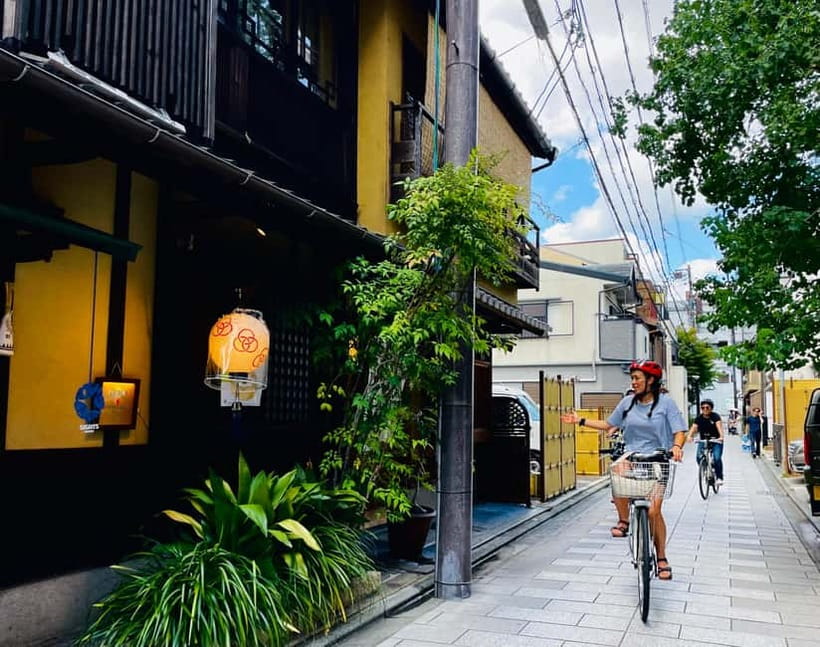
Kyoto can be done by foot, sure. But with an e-bike, you get something different: motion that helps you connect neighborhoods, not just “arrive and pose.” In this tour format, you’re not trapped in a long line of people at every turn. Instead, you’re moving through Kyoto in a way that feels closer to daily life.
I also like that the ride is designed for storytelling. You’re not handed facts in a vacuum. You’ll learn how to think about what you’re seeing—like why certain shrines look the way they do, or how Shinto and Buddhism coexist in Kyoto’s culture—while you’re actually in the scene.
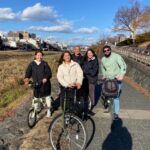
Finally, the group stays small, so it’s easier to ask your questions. That matters in Kyoto, because the usual “what is this place” questions quickly turn into “how do I behave here?” and “what’s the meaning behind the customs?” Maki’s explanations are built for that kind of curiosity.
You can also read our reviews of more tours and experiences in Kyoto.
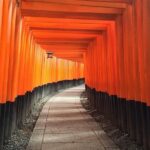
Pedal Adventure Kyoto: The Bike-Ready Start You’ll Be Glad You Got
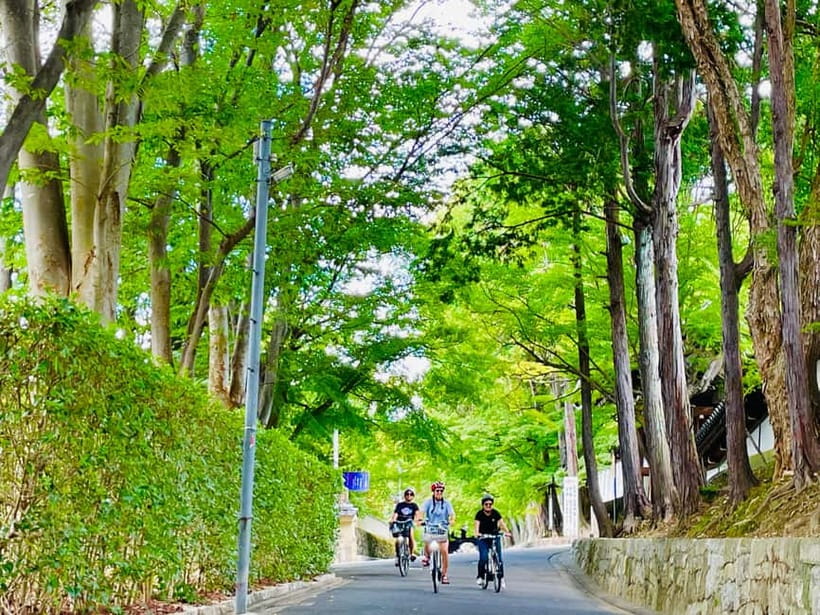
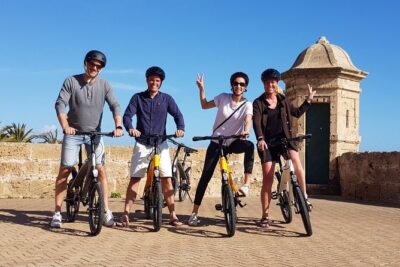
You meet at Pedal Adventure Kyoto. The first part is setup and orientation, including how the e-bike works and how to ride in Japan. Even if you’ve cycled before, this step helps you understand local traffic expectations and what the guide expects from you.
Here’s what makes that orientation practical:
- You’ll know what to do before you hit busier roads.
- The e-bike gives you extra help on the steeper bits, which can make the ride feel doable even when Kyoto’s streets get awkward underfoot.
- You’re wearing a helmet, and you’re covered by insurance, so the whole start feels less like a gamble.
Add in the included snack and water bottle, and you’re set up to keep your focus on the stops, not on basic logistics like where you’ll eat or how you’ll stay hydrated.
What I’d bring from your side: comfortable clothes, comfortable shoes, and sunscreen if the day’s sunny. A camera helps too, since you’ll be taking photos from movement as well as from quiet pauses.
Gion on Two Wheels: Geisha Culture Without the Confusion
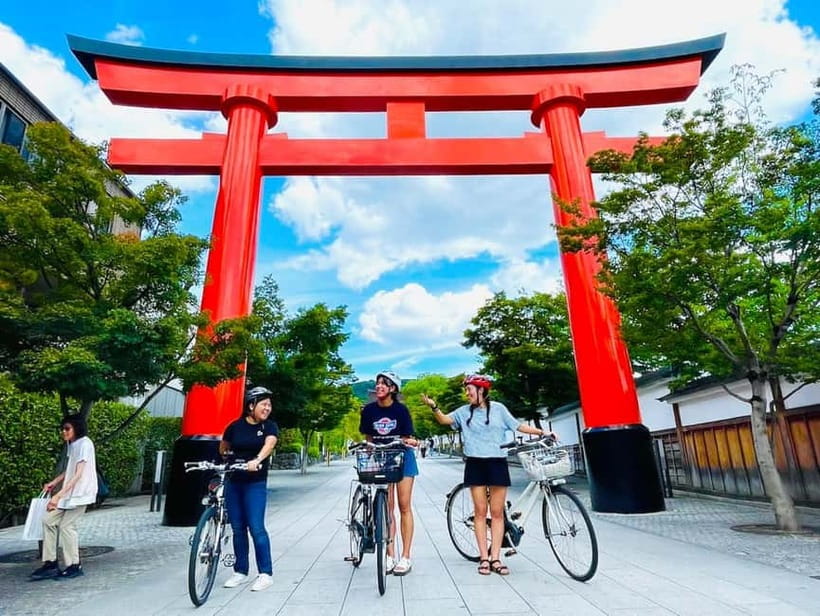
One of the best parts of this tour is that it doesn’t treat Gion like a single street you sprint through. You’ll actually cycle through the Gion district, and Maki talks about Geisha culture and Kyoto customs in a way that helps you understand what you’re seeing and how to interpret the environment.
This is the part of the day where the tour feels most “Kyoto.” Gion isn’t just for souvenirs. It’s a district where respect and small details matter. Having a guide helps you spot what you would miss on your own—like what certain customs signal, and how people fit tradition into daily routines.
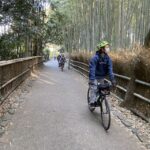
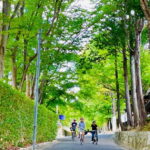
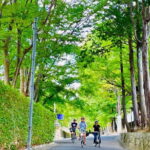
You also get something that feels like contrast: after the main sights, you’ll ride through suburb and residential areas, seeing real Kyoto people’s life rather than only the polished, tourist-facing parts of town. That blend is a big reason this tour works well if you don’t want to spend half your trip standing still.
In terms of comfort, the reviews consistently point to the route being easy to handle with clear stopping points. You still need to be okay with a mix of cycling and some walking, since Kyoto temples and shrines don’t work like theme parks where everything is directly next to a parking spot.
Fushimi Inari Shrine: Torii Rows With Shinto Context
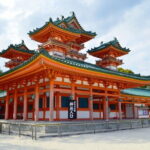
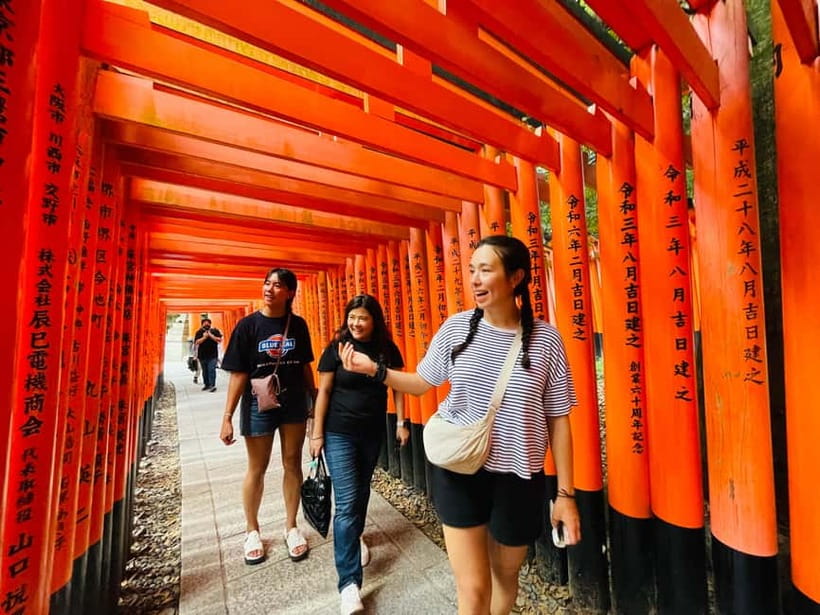
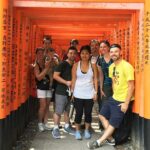
This is the headline stop for many people, and it’s where the guide’s explanations really help you see more than the obvious postcard view. Fushimi Inari Shrine is famous, and the tour leans into that by giving you history and cultural context, especially around Shintoism.
What you gain by having a guide here:
- You’ll connect the visual details (like the torii approach) to the meaning and traditions behind the place.
- You’re not just taking photos; you’re learning how to think about why the site looks the way it does.
- You can ask questions while you’re there, which is usually the best time to do it because you’re looking at the exact feature you’re curious about.
One practical note: because the tour is a half-day, the timing is shared across the group. If you’re the type who wants to linger at a single shrine corner until you’ve fully absorbed it, you might feel like you wanted more time at Fushimi Inari. That doesn’t make the stop bad—it just means you should mentally plan for a guided visit, not an all-day shrine marathon.
Also, you’ll be cycling back toward the city after Fushimi Inari, so the day keeps moving. That’s part of the charm: you get the big moment, then you get the quiet reset at the next temple stop.
Tofukuji Temple and the Zen Garden Reset
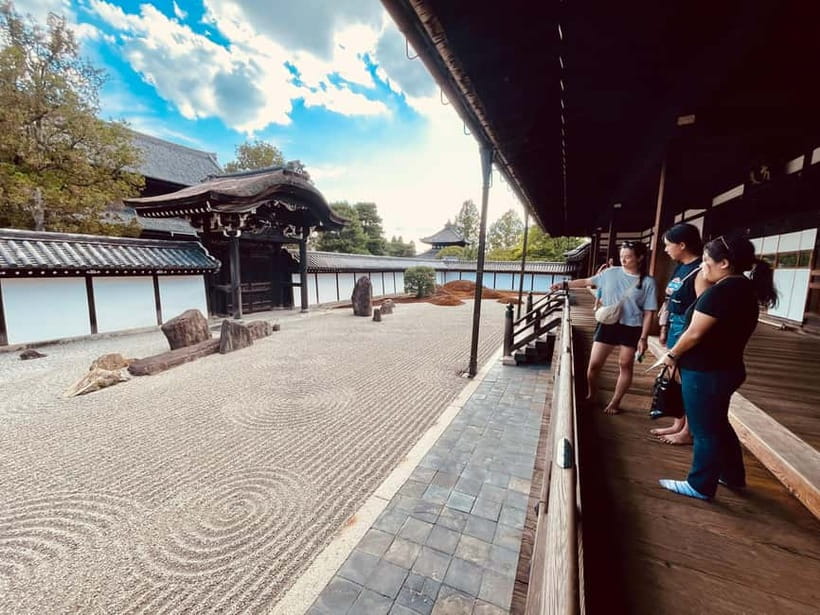
After the torii-heavy excitement, the tour shifts to a calmer pace at Tofukuji Temple. This stop is built for slowing down. You’ll have time to relax in the Zen garden, which is a nice counterweight to the busier sights earlier in the day.
Why this matters more than it sounds: Kyoto’s most famous sites can make your brain go into high-speed mode. A Zen garden break gives your senses a different rhythm. You’re less focused on navigating crowds and more focused on noticing space, quiet, and atmosphere.
This is also where you can ask deeper questions. Once you’re in the mood of reflection, it’s easier to understand how Buddhism and Zen ideas shape how people experience places like Tofukuji—especially after the Shinto context you got at Fushimi Inari.
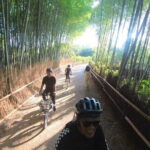
And since the day ends with a ride back, it helps to have that mental “downshift” built in. One of the small joys people mention is how the return feels pleasant, including biking along the river area on the way back to the start shop.
Pace, Group Size, and Realistic Expectations for 4 Hours
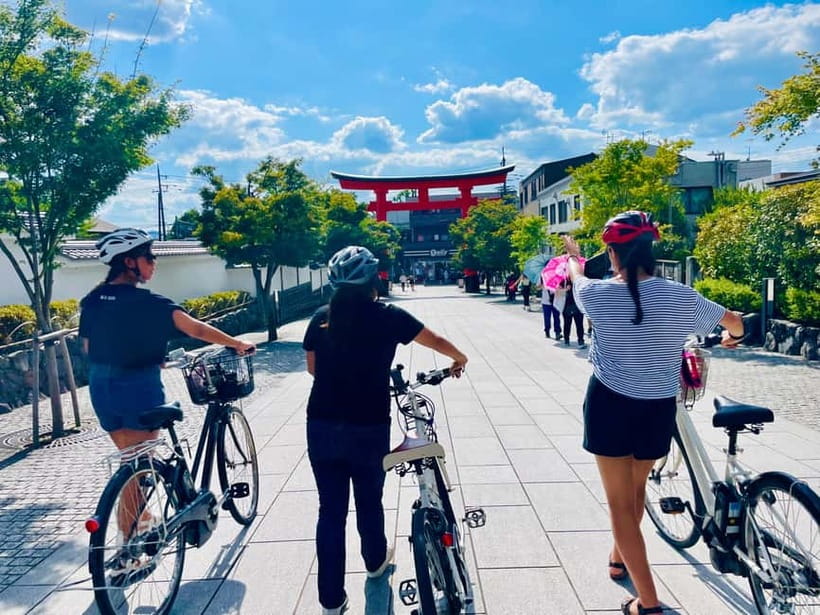
The tour runs about 4 hours, and it’s limited to 8 participants. That small group size is one of the biggest quality signals here. It means:
- stops don’t take forever,
- the guide can keep track of everyone,
- and you’re more likely to get answers to your questions instead of only hearing the group briefing.
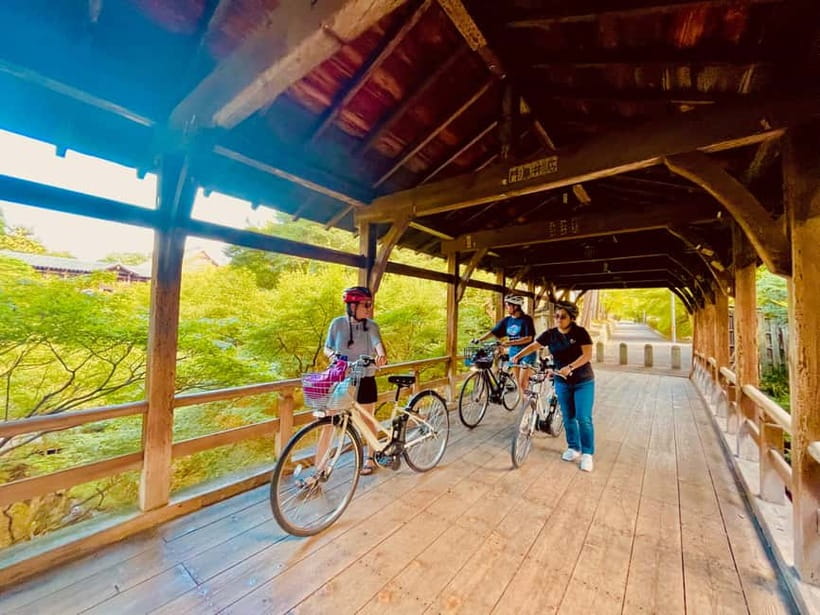
E-bikes also change the “effort equation.” You’re still responsible for safe riding, but the electric assist reduces the stress of hills and short distances that would otherwise drain energy fast. That’s why this tour often works for mixed ages, as long as everyone is comfortable with cycling.
Still, I’d plan around a few physical realities:
- You’ll have a mix of cycling and walking.
- You need comfortable shoes and clothing suitable for riding.
- It’s not suitable for children under 12, pregnant women, or people with mobility impairments.
If you’re nervous about riding in traffic, don’t ignore that instinct—just know the tour includes an orientation and you’ll be led through busy areas with guidance. The overall message from the experience design is safety-first, and the frequent stops help everyone reset.
Value Check: Is $83 Worth It for Kyoto?
At $83 per person for 4 hours, you’re paying for more than transportation. You’re buying:
- a live local guide (English),
- an electric bicycle rental,
- helmet and insurance,
- a snack and water bottle,
- and entrance fees for 2 places.
What makes this feel like good value is the time you’re saving and the context you’re receiving. Kyoto’s most famous stops are crowded, and wandering without context can turn into lots of guesswork. Here, you get a structured route that links multiple sites with explanations you can use right away while you’re standing in front of the feature.
You’ll still need to handle lunch yourself, and the tour doesn’t include hotel pickup/drop-off. But if you’re already spending time around Higashiyama and central Kyoto, the meeting setup at Pedal Adventure Kyoto keeps the day from turning into a logistics headache.
In plain terms: if you want Fushimi Inari and a Zen garden visit without losing most of your day to transit and crowd navigation, this price can feel fair.
Who This Kyoto E-Bike Tour Fits Best (and Who Should Pass)
This is a strong match if you:
- want a short, structured half-day,
- like learning while moving (not just museum-style listening),
- and want a guided take on Shinto and Buddhism, plus Kyoto customs in context.
It’s especially good if you’re curious about Gion and Geisha culture but don’t want to end up confused by what you see. Maki’s storytelling style is a key part of the experience, and the tour is built to keep you asking questions as you go.
I’d be cautious if you:
- are looking for an all-day “meander and linger” temple plan,
- need a fully accessible route with minimal movement,
- or are traveling with someone who can’t comfortably handle cycling plus short walking segments.
Should You Book This Tour?
Yes, if you want Kyoto in a half-day that mixes iconic sights with quieter neighborhoods, and you care about understanding what the places mean—not just collecting photos. The biggest plus is how the route connects Gion customs, Fushimi Inari’s Shinto context, and Tofukuji’s Zen garden calm into one ride.
If you hate the idea of sharing time at a famous shrine in a timed group format, consider pairing this with your own extra time at Fushimi Inari on a different day. Otherwise, for most visitors who want value, structure, and local explanations, this is one of the most efficient ways to spend a morning or afternoon in Kyoto.
FAQ
Where does the tour start?
You’ll meet at Pedal Adventure Kyoto.
How long is the tour?
The tour duration is about 4 hours.
What’s included in the price?
Included are a live local tour guide, electric bicycle rental, helmet, insurance, snack, water bottle, and entrance fees for two places.
Is lunch included?
No, lunch is not included.
What language is the guide?
The tour is offered in English.
How big is the group?
The group is small, limited to 8 participants.
Who should not book this tour?
It’s not suitable for children under 12 years, pregnant women, or people with mobility impairments.
What should I wear or bring?
Bring comfortable shoes and comfortable clothes. Sunscreen and a camera are recommended, and you should plan for some walking as well as cycling.
Are there any rules during the ride?
Smoking and alcoholic drinks in the vehicle are not allowed.
Is free cancellation available?
Yes. You can cancel up to 24 hours in advance for a full refund.