REVIEW · KYOTO
Kyoto: Full-Day City Highlights Bike Tour with Light Lunch
Book on GetYourGuide →Operated by Kyoto Bike Tours · Bookable on GetYourGuide
A day on a bike in Kyoto sounds simple. Then you see Arashiyama’s bamboo followed by torii gates, temples, and old-town streets without wasting hours on transfers.
I especially love how this tour strings together Kyoto’s headline sights with calmer side streets, so the day feels efficient but not rushed. The small group (up to 8) also makes it easier for the guide to check in with everyone, like Rob did for a solo rider, or Cass did by keeping details crisp.
One real consideration: this is an all-day ride (about 44 km / 27 mi) and it’s not built for low stamina or limited bike comfort. If you’re even slightly unsure, you may want to ask about a pedal-assist upgrade before committing.
In This Review
- Key points that make this Kyoto bike tour feel worth it
- Why a Kyoto bike tour makes the city click
- Meeting at Saga-Arashiyama: quick fit, then you’re rolling
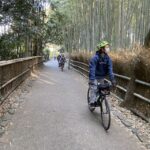
- Arashiyama Bamboo Grove: start with green calm
- Fushimi Inari Taisha: vermilion torii and fox statues
- Lunch: light fuel before the Gion-to-temple stretch
- Gion Geisha District: old Kyoto scenes at human speed
- Kiyomizu-dera: UNESCO temple energy in the eastern hills
- Kinkaku-ji Golden Pavilion: that mirror-pond moment
- Price and value: is $167 a good deal?
- The ride reality check: pace, stamina, and e-bike thoughts
- Who should book this Kyoto bike tour
- Should you book it or not?
- FAQ
- Where is the meeting point?
- How long is the tour and how far do you ride?
- How big is the group?
- What’s included in the price?
- Is hotel pickup or drop-off included?
- What should I bring or wear?
- What shoes or clothing aren’t allowed?
- Who is this tour not suitable for?
Key points that make this Kyoto bike tour feel worth it
- Arashiyama Bamboo Grove first: you start with shade, calm, and classic Kyoto greens before the crowds fully build.
- Fushimi Inari Taisha beyond the main view: you’ll follow the torii trail network and hunt fox statues along the way.
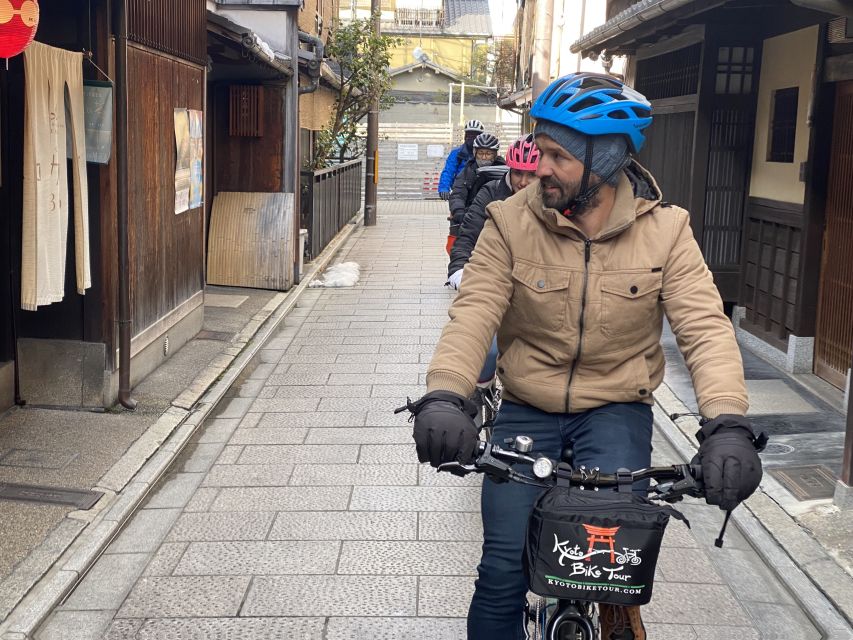
- Gion by bike: faster access to places like Tatsumi Bridge area and Hanamikoji Street, with more time to look closely.
- Kiyomizu-dera without a transport headache: a UNESCO stop in the eastern hills that you reach by momentum, not waiting.
- Kinkaku-ji Golden Pavilion in the right light: you may catch it near golden hour, when the reflections look unreal.
Why a Kyoto bike tour makes the city click
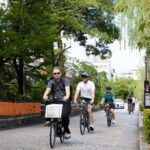
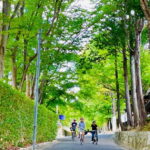
Kyoto is famous for being photogenic. It’s also famous for being big, layered, and stubborn about traffic. That’s why biking works so well here: you get to move across districts with less friction, and you can slow down exactly when something catches your eye.
What I like about this day is the balance. You hit major icons like Fushimi Inari and Kiyomizu-dera, but you’re not stuck staring out a bus window. On bike, you naturally pick up the texture of neighborhoods—narrow lanes, sudden views, and the rhythm of people going about normal life.
There’s also a practical advantage: you’re guided at a leisurely pace, with enough time to actually look, not just “arrive.” That matters in Kyoto, where the difference between a good visit and a frustrating one is often simple timing.
You can also read our reviews of more tours and experiences in Kyoto.
Meeting at Saga-Arashiyama: quick fit, then you’re rolling
You meet outside JR Saga Arashiyama Station. The guide is easy to spot: a bike helmet and a Kyoto Bike Tour shirt. That sounds basic, but it reduces the usual early-day stress of finding a group in a busy station area.
Before you start, there’s a safety briefing and bike fitting. That’s a big deal because a day that runs long works best when the bike feels right immediately. One of the most repeated themes from riders is how smoothly the day runs when the guide sets expectations early.
The tour runs in English with a bilingual guide, and the group is kept small. In real life, that means fewer “wait up” moments and more time for the guide to keep the ride flowing without losing people.
Arashiyama Bamboo Grove: start with green calm
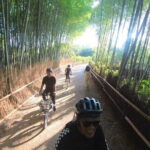
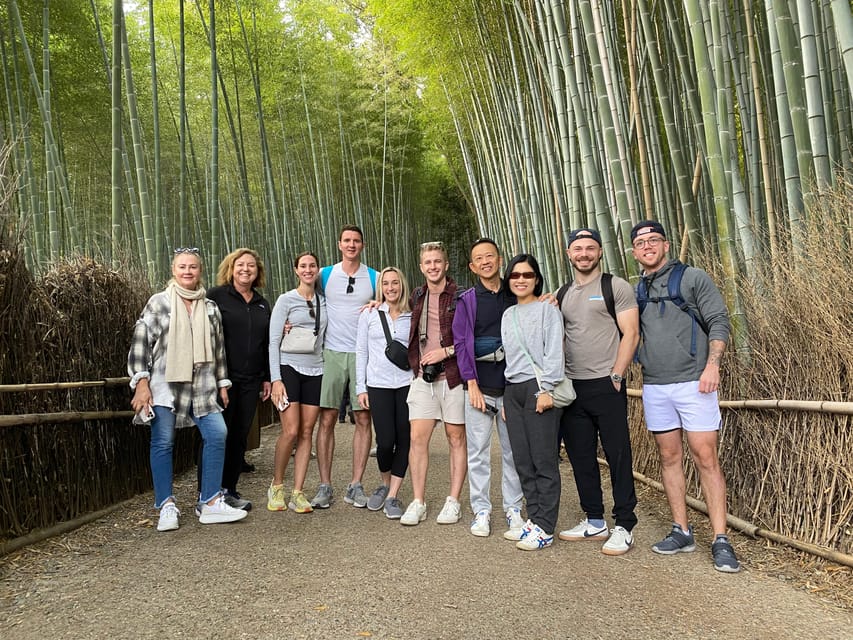
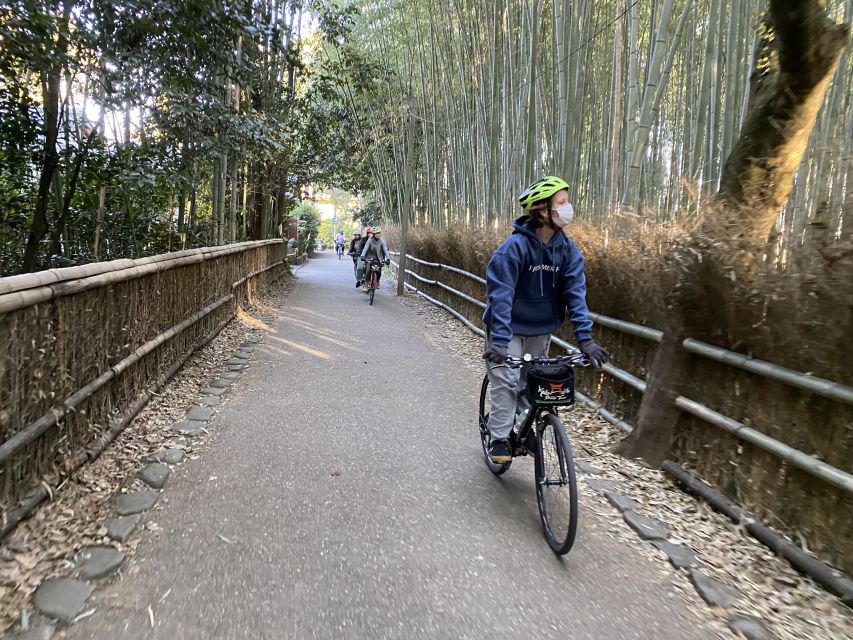
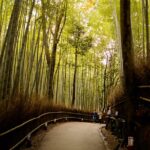
Your first real stop is the Arashiyama Bamboo Forest. This is one of the most photographed places in Kyoto for a reason: the walkway of swaying stalks turns into a wall of color and movement as light hits at different angles.
I like that you start here. The bamboo feels almost like a reset button for the day. You’re not yet tired, and you’re fresh for the slow stroll through a place that rewards walking, not just passing through.
Typical challenge: bamboo groves get busy. On a bike day, you’re not trapped in one rigid route like some bus schedules. You can usually take your time with photos and spacing, especially since the pacing is relaxed.
Practical note: the route begins with serenity, but the day stays active. You’ll want comfortable shoes and clothing that handles Japan’s weather changes, especially if you’re riding in sun or after a rain.
Fushimi Inari Taisha: vermilion torii and fox statues
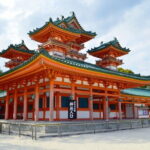
Next comes Fushimi Inari Taisha, famous for its vermilion torii gates. The key here is that you don’t just see the iconic front scene and move on. You explore the shrine grounds and ride/walk through the network of trails behind the main buildings, which is where the atmosphere feels deeper and more maze-like.
You’ll notice fox statues placed throughout the area. The shrine’s fox theme isn’t just decoration—it’s part of the story visitors come to understand. Counting fox statues becomes a fun way to stay engaged when the torii rows stretch on.
What I appreciate about arriving by bike is the flow. You can cover a lot of ground without dealing with the stop-and-start stress of public transport. And because you’re on a guided route, you spend less time asking where to go next and more time actually walking the torii paths.
Possible drawback: this is still a religious site with crowds at peak times. Wear sensible footwear and be ready for short stretches of walking on busy ground.
Lunch: light fuel before the Gion-to-temple stretch
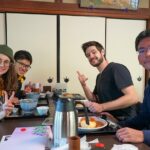
After you’ve worked up an appetite, there’s a light lunch included. The point of lunch here isn’t a long sit-down meal. It’s fuel so you can keep your energy for the rest of the day—especially the eastern hills later.
One of the best things about guided small groups is that lunch doesn’t turn into a logistical puzzle. You’re taken care of, you eat, and you move on with the day’s rhythm.
If you’re the type who likes to plan your carbs, this is your moment to do it. Drink the provided water, then top up if you can. Even a “light” meal in Kyoto can hit just right after walking and cycling.
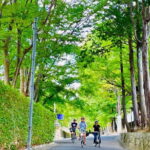
Gion Geisha District: old Kyoto scenes at human speed
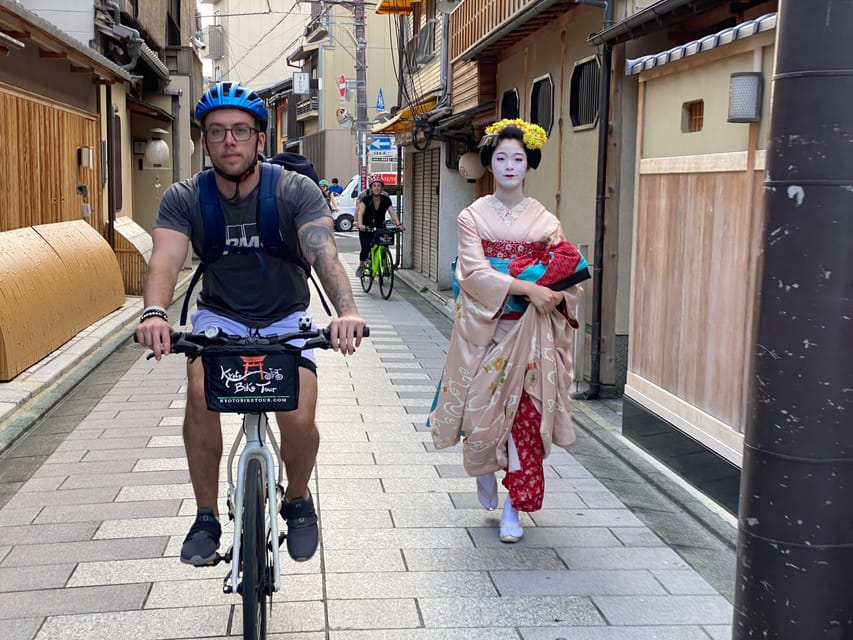
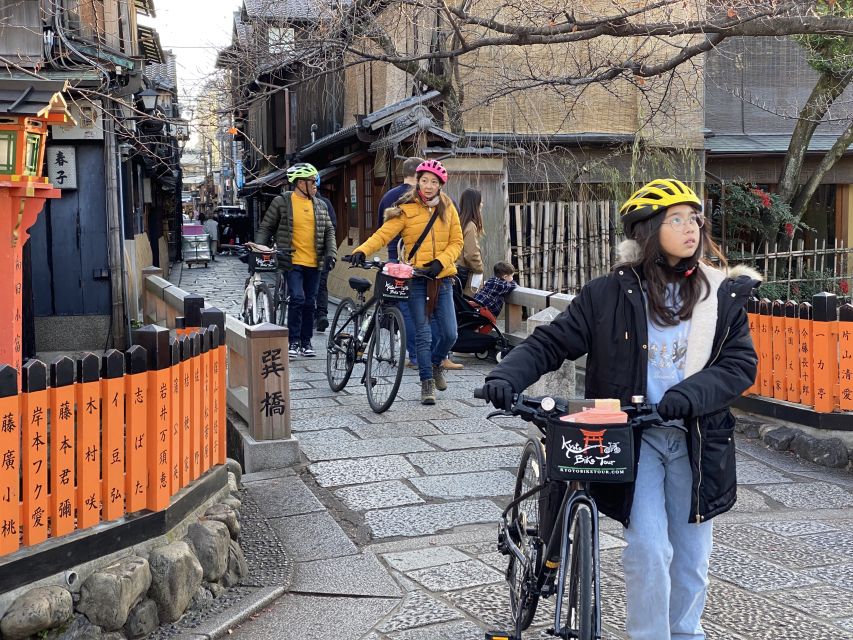
Then you roll into Gion, Kyoto’s best-known entertainment and traditional district. This is the part of the tour where your senses wake up: wooden storefronts, lantern-lit corners (even in daylight), and the feeling that you’re in a place with old rules and modern life running side by side.
You’ll pass or ride through areas tied to Hanamikoji Street and the Tatsumi Bridge area. In the day’s momentum, you might spot hostesses in colorful kimonos or see people flowing between restaurants and boutiques. It’s not about guaranteed sightings—it’s about being in the right place with enough time to notice details.
I also like that this segment can include quieter side streets rather than only the most obvious lanes. That’s where the district feels lived-in. And if you want to understand Kyoto beyond a postcard, watching normal activity around shrine-adjacent streets and markets tends to do more than memorizing facts.
One watch-out: Gion streets can feel narrow. Keep a calm pace, follow the guide’s direction, and don’t assume a bike lane will appear everywhere.
Kiyomizu-dera: UNESCO temple energy in the eastern hills

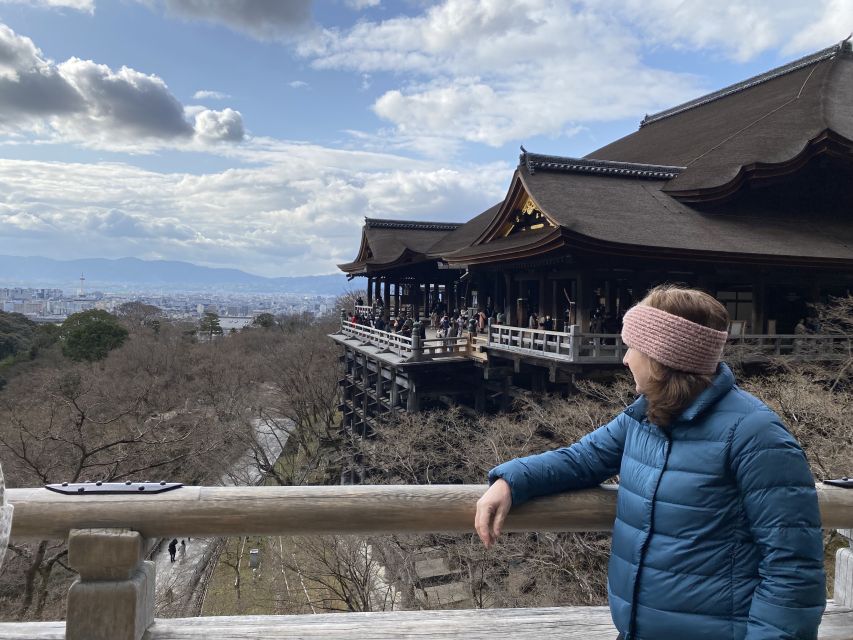
From Gion, the ride turns toward the eastern hills on the outskirts of Kyoto for Kiyomizu-dera, a UNESCO World Heritage Site. This is where the tour earns its full-day character. You’re not just collecting sights—you’re reaching up into a different mood of Kyoto.
Kiyomizu-dera is known for the Otowa Spring, described as medicinal pure waters. Even if you don’t focus on the water element, the temple itself gives you a sense of scale and devotion that’s hard to recreate from street level.
Why this stop works well on a bike tour: you’re arriving with legs already warmed up and your brain already in “Kyoto mode.” It’s easier to appreciate why this hilltop site mattered historically, because you’re moving through the city structure rather than jumping straight into it.
Potential drawback: if you’re not a strong walker, plan for steps and uneven ground around temples. You can still enjoy it, but “relaxed pace” doesn’t mean flat terrain.
Kinkaku-ji Golden Pavilion: that mirror-pond moment
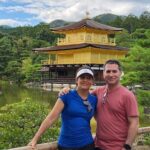
The finale before heading back is Kinkaku-ji, the Zen temple with the Golden Pavilion. The image you’ve seen online is real, but better—because you can understand how the building rises above its reflecting pond like it’s floating.
A few riders specifically noted seeing it in golden hour, when the pavilion and reflections look almost magical. Even if you’re not there at the perfect light, Kinkaku-ji is the kind of stop that doesn’t need dramatic timing to feel special.
Temple manners matter here. Go at a respectful pace. Give yourself time to look from multiple angles, not just one “hero photo” spot. And since you’re biking all day, you’ll appreciate that this stop is still manageable in one pass.
After Kinkaku-ji, you cycle back toward the starting area in Arashiyama. That return ride can feel like the wrap-up of the whole day: you’ve seen Kyoto’s big hits, and now you’re back where you started—without carrying bags or hunting transit.
Price and value: is $167 a good deal?
At $167 per person for an 8-hour day, this tour isn’t cheap on paper. Here’s what helps it feel fair.
You’re getting:
- A bilingual guide and an English-language tour format
- Bike + helmet, plus bottled water
- Entry fees for the stops
- A light lunch
- A small group capped at 8
So you’re not just paying for someone to point at famous places. You’re paying for logistics, timing, and the ability to hit multiple districts in one day without splitting your day across different tickets and transit systems.
Also, the bike format saves energy in a way walking and transit don’t. It’s still active—about 44 km / 27 mi—but the schedule is built to keep you moving efficiently between districts.
My practical take: this is best value when you want a one-day “Kyoto greatest hits” tour and you’re comfortable with a long ride. If you only want one or two landmarks, spending $167 on a full circuit might feel heavy.
The ride reality check: pace, stamina, and e-bike thoughts
This tour is about 8 hours, with roughly 44 km / 27 mi of riding. That’s a lot for a full day, even if the guide keeps the pace steady. Some riders were glad they chose a pedal-assist option, and I get that. If you’re in good shape but not a frequent long-distance cyclist, the upgrade can turn this from a challenge into a pleasure.
One review theme stands out: guides stay safety-focused and organized so nobody feels left behind. Riders also noted that guides kept people included, took photos, and offered thorough answers without turning the day into a lecture.
If you care about culture, this tour tends to deliver it in bite-sized chunks. Guides often connect what you’re seeing—shrines, temple traditions, and district customs—to everyday Kyoto life. That’s why the day feels more meaningful than a checklist.
Key group-size benefit: in a small group, the guide can manage traffic moments and junctions without chaos. That matters when you’re crossing busy streets while maintaining a relaxed vibe.
Who should book this Kyoto bike tour
Book it if you want a full-day Kyoto plan that mixes iconic sights with smaller streets, and you’re ready for a long, active ride. It’s especially good for:
- Couples or friends who don’t want to spend the day on transit
- First-time visitors who want a smart route across western and eastern Kyoto
- Solo travelers who like feeling guided and included (some riders noted how welcoming this felt)
Skip it (or consider a different style of tour) if:
- You can’t ride a bike comfortably
- You have back problems, mobility limitations, or other constraints that make cycling hard
- Your fitness level is low and long-distance riding would stress you out
If you’re traveling in winter (December to February), expect stops to be shorter to finish before sunset. That’s normal and worth planning for if you want the extra time that longer daylight allows.
Should you book it or not?
If you want one day that actually covers Kyoto—bamboo, torii, Gion streets, a UNESCO hilltop temple, and the Golden Pavilion—this bike tour is a strong pick. The included bikes, helmet, water, entry fees, and light lunch help the value make sense, and the small group size keeps the day human.
My call: yes, book it if you’re comfortable riding for most of the day and you like the idea of seeing Kyoto from street level, not from a bus seat. Think twice if you’re worried about stamina or bike confidence, because the schedule is long by design.
FAQ
Where is the meeting point?
Meet outside JR Saga Arashiyama Train Station. The guide will be wearing a bike helmet and a Kyoto Bike Tour shirt.
How long is the tour and how far do you ride?
The tour lasts about 8 hours and includes approximately 44 km / 27 mi of riding.
How big is the group?
It’s a small group limited to 8 participants.
What’s included in the price?
Included items are a bilingual guide, bicycle, helmet, bottled water, entry fees, and a light lunch.
Is hotel pickup or drop-off included?
No. Hotel pickup and drop-off are not included.
What should I bring or wear?
Bring comfortable shoes and weather-appropriate clothing. Dress for the day, because you’ll be cycling for most of it.
What shoes or clothing aren’t allowed?
High-heeled shoes, sandals or flip flops, boots, and loose clothing are not allowed.
Who is this tour not suitable for?
It’s not suitable for children under 14, people with back problems, people with mobility impairments, people who can’t ride a bike, or those with a low level of fitness.