REVIEW · KYOTO
No. 1 E-Bike Tour for Up to 5 Guests in Kyoto with a Local!
Book on Viator →Operated by Discovery Bicycle Tours Okinawa / e-CHARIty Naha · Bookable on Viator
Kyoto by e-bike feels like shortcuts. This small-group ride threads iconic sights with local stories at a relaxed pace, using pedal-assist so you can spend your energy on the views (not on grinding hills). You’ll cover major stops like Nishi Honganji, Gion, Heian Shrine, and Nanzen-ji without turning the day into a nonstop walking mission.
What I really like is the mix: big, photogenic temple moments plus everyday Kyoto moments like passing by the old Nintendo headquarters area and cruising toward the Kamo River. The tour guide energy matters too; I’m glad the experience comes with someone like Yuki (yes, there can be a name mix-up in messages, but the guide’s right on it). The main drawback is simple: it still involves cycling, and the provider asks for good weather, so expect a different plan if the skies don’t cooperate.
In This Review
- Key things I’d circle on your map
- Why this Kyoto e-bike loop works so well
- Meeting up at the bike port: the quick way to get started
- Nishi Honganji: the big temple start that sets the tone
- Kagiyacho and the Gion stretch: city life in between monuments
- Heian Shrine: the red torii moment and why it’s worth pausing
- The Lake Biwa Canal route: Kyoto’s water story on wheels
- Nanzen-ji Temple: the gate and main temple payoff
- Kamo River at the end: a calm finish after temples
- Price and included perks: what you’re really paying for
- Who should book this e-bike tour (and who should skip it)
- Tips to get the most from your 4 hours
- Should you book this e-bike tour of Kyoto?
- FAQ
- How long is the Kyoto e-bike tour?
- Where do I meet and start the tour?
- What main places does the tour include?
- Is admission included?
- How big is the group?
- Can children join?
Key things I’d circle on your map
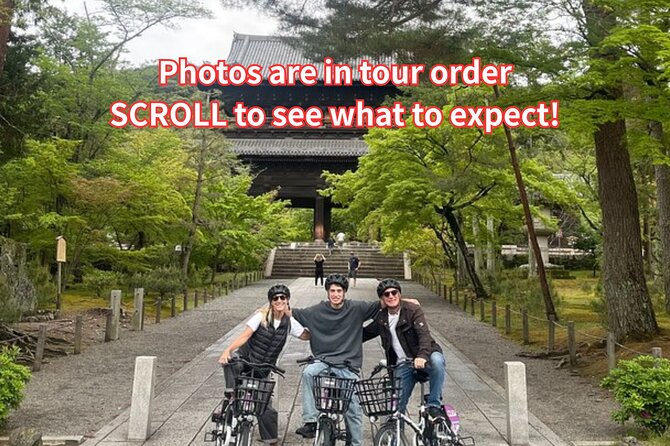
- Electric-assist cycling with a small group (up to 5) keeps the pace calm and the route easy to follow
- Free entry at each listed stop means you can focus on time and photos, not tickets
- Local Kyoto flavor shows up in places like Gion Shirakawa and Kiyamachi-area streets
- Lake Biwa Canal sections add a smart, practical angle to the city’s water story
- Kamo River break lets you pause, relax, and even cool your feet at the end
- Mobile ticket + guide messaging helps you find the bike port without guesswork
Why this Kyoto e-bike loop works so well
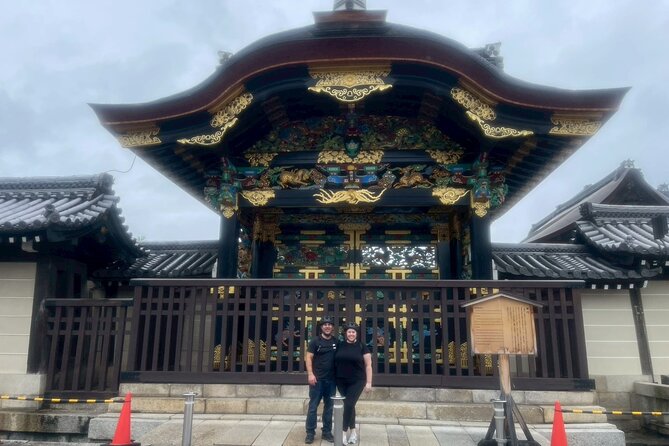
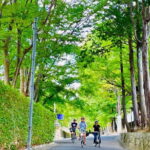
Kyoto can feel spread out, even when you’re staying central. This is where an e-bike makes sense: you can link neighborhoods and temples in a single afternoon without arriving exhausted. The 4-hour timing is also realistic. It’s long enough to cover multiple famous sites, but not so long that you’re counting minutes at the end.
The value is strong on paper and in practice. You’re paying $99.08 per person for a guided route that includes the bike, a helmet, and admission-free stops. When a tour also caps the group at 5 people, it usually means fewer traffic headaches and more room for the guide to explain what you’re seeing.
One more thing: the tour is designed around motion. You don’t just pop in for a quick photo and rush out. The route builds in pauses—so you get to actually notice details, then roll on while the city is still moving.
You can also read our reviews of more tours and experiences in Kyoto.
Meeting up at the bike port: the quick way to get started
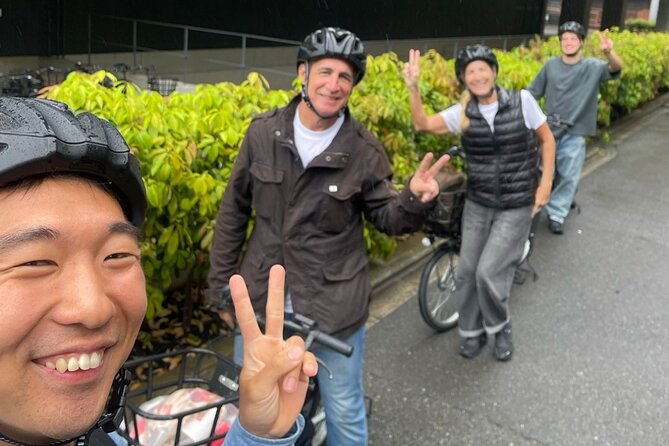
You’ll start at the bike port near Times Car Rental (682 Higashishiokōjichō), with the shared-cycle Clew location described as being in front of Seikouin Wagatazizou behind the hotel. It’s not complicated, but it does mean you should arrive a few minutes early so you can locate the port without stress.
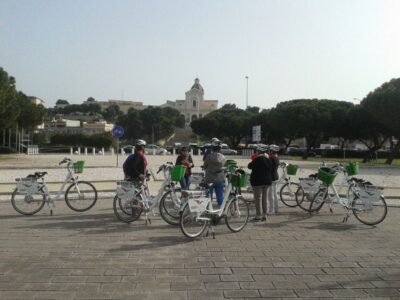
Before you ride, the tour includes a brief setup and a cycling hand-sign briefing (about 15 minutes). Even if you’ve ridden bikes before, this matters in Kyoto where lanes and crossings can be busy and unpredictable. You’ll also have an installed helmet as part of the experience—so you’re not hunting for gear before you meet.
A practical tip: your guide sends a message via Viator before departure. Check it before you head out, especially if you’re relying on a map app for the first time in the neighborhood.
Nishi Honganji: the big temple start that sets the tone
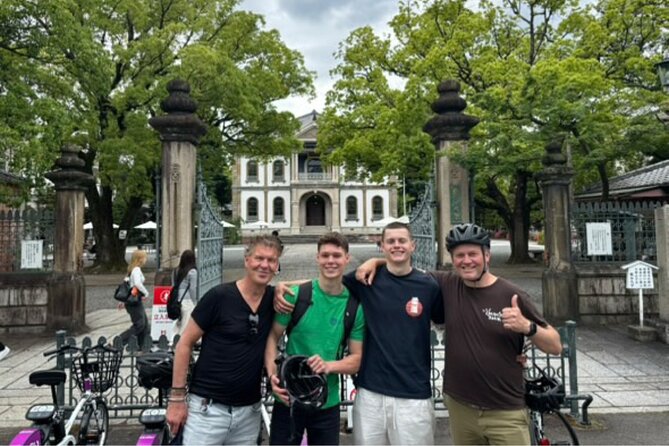
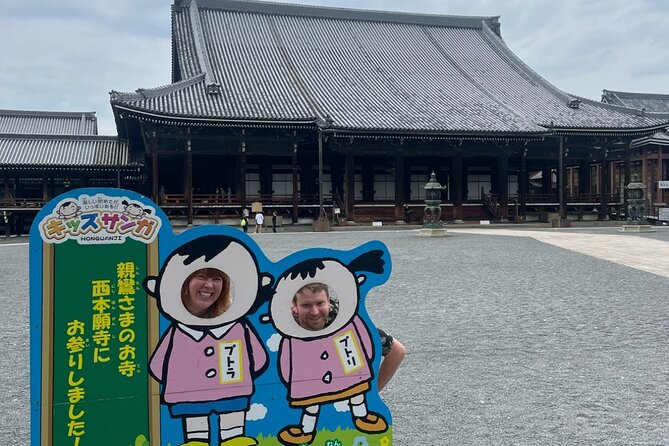
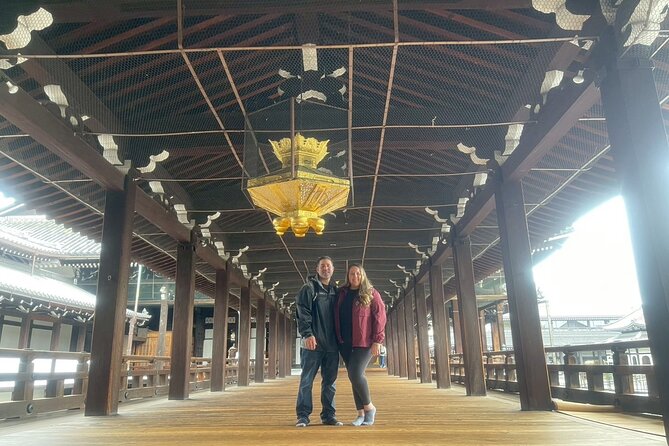
The first major stop is Nishi Honganji. This is the head temple of the Jodo Shinshu Hongwanji-ha branch, and it’s known for historical buildings that are protected as World Heritage registrations. Starting here is smart because you immediately get a sense of Kyoto’s religious architecture and scale before you move into the more street-level scenes.
You’ll spend around 30 minutes at the temple grounds. That’s enough time to walk at an unhurried pace, look up at structures, and get a sense of how the complex feels as a place of practice—not just a photo stop.
If you like context, this kind of start is helpful. It gives the rest of the afternoon a backdrop: temples, shrines, and the water/urban planning ideas you’ll hear about later connect together more smoothly when you begin with a major anchor site.
Kagiyacho and the Gion stretch: city life in between monuments
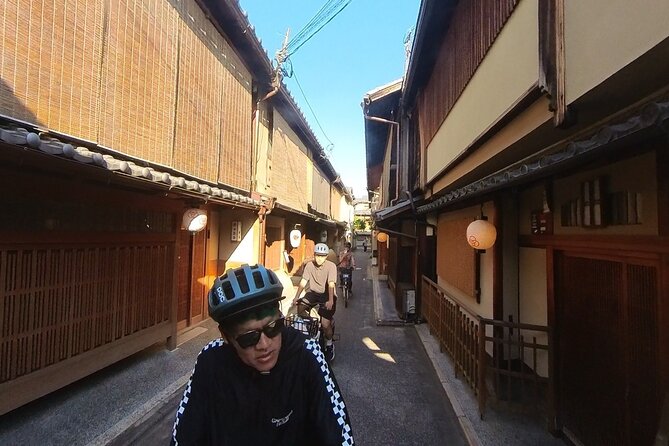
After Nishi Honganji, you’ll move through Kagiyacho, where the route passes by a huge building described as the old headquarters of Nintendo. You might not stop there for a deep visit, but it’s a fun contrast: Kyoto isn’t only temples and traditional streets. It’s also modern industry and companies with real presence.
Then comes the Gion area. You’ll head to Gion Shirakawa-style streets, where old buildings line up along a river-adjacent corridor. The tour time at Gion is about 30 minutes, giving you time to take in the streetscape—especially the traditional atmosphere that changes with the season. The description also calls out seasonal plants such as cherry blossoms, which can make the same stretch feel dramatically different at different times of year.
You’ll also get a stroll through the lively Kiyamachi Street area as part of this neighborhood flow. That’s where Kyoto tends to feel most real: not just impressive buildings, but the street-level vibe of people, shops, and everyday rhythm.
A quick consideration: these streets can feel crowded depending on the time of day. The e-bike route helps because you’re not trapped only by walking speed—you can travel to the next point and reset.
Heian Shrine: the red torii moment and why it’s worth pausing
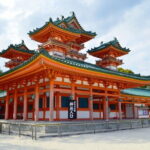
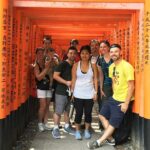
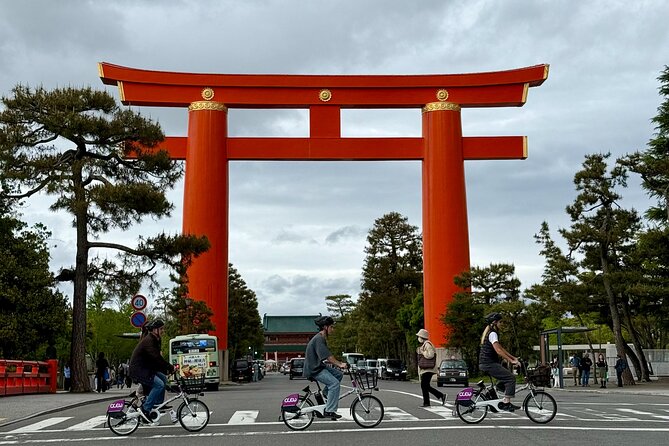
Next up is Heian Shrine, established to commemorate the 1100th anniversary of the capital transfer to Heian-kyo. The tour description highlights the large red torii gate as a standout highlight. Even if you’re not a shrine expert, that kind of dramatic gateway is an easy, memorable landmark.
The route timing here supports a real stop rather than a quick drive-by. Pauses at Heian Shrine let you slow down and absorb the setting before continuing toward the temple-heavy area.
I like this placement in the itinerary. You’re moving from street atmosphere (Gion/Kiyamachi) into a more ceremonial, open-structure environment. It breaks up the afternoon so it doesn’t blur into one long chain of similar scenes.
The Lake Biwa Canal route: Kyoto’s water story on wheels
One of the more interesting parts of the route is the ride through the Lake Biwa Canal area. The tour explains that this waterway helped the city’s development by providing water, and it also notes engineering that accounted for elevation differences. That’s a practical way to understand Kyoto beyond the postcard view.
You’ll hit two specific points related to Nanzen-ji area waterways: 17 Nanzenji Kusakawachō (about 20 minutes) and 13 Nanzenji Fukuchichō (about 50 minutes). That longer block is valuable. You’re not just rushing past a canal—you’re getting time to see the setting and let the guide connect the dots between the water system and daily life in the city.
For many people, this is the part that feels pleasantly different. It turns the ride into more than sightseeing. You’re learning why the city looks the way it does, and why water mattered in shaping Kyoto’s neighborhoods.
Tip: this is also a nice pacing reset. You can get a break from the densest streets while still feeling like you’re seeing something major.
Nanzen-ji Temple: the gate and main temple payoff
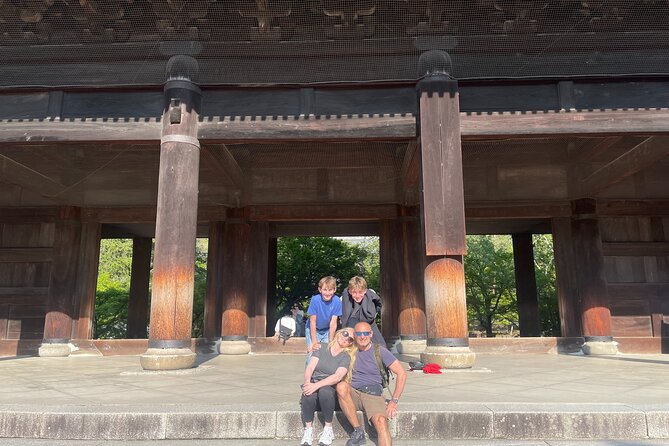
Then you arrive at Nanzen-ji Temple, described as particularly special among the Five Mountains of Kyoto. It’s one of those places where the main temple and gate are bold enough to feel like they’re announcing themselves from a distance.
The scheduled stop time is about 20 minutes. That can sound short, but it works here because Nanzen-ji’s impact is visual. You can cover key areas, take photos, and appreciate the scale without turning the afternoon into a long walking marathon.
This stop balances the day nicely. Up to now you’ve seen a mix of temple complexes, street scenes, and a water-system learning moment. Nanzen-ji brings the spiritual and architectural focus back into the center.
Kamo River at the end: a calm finish after temples
The final main experience is heading to the Kamogawa (Kamo River). The tour gives you about 10 minutes here, which is intentionally short, but it’s timed as a reward. You can relax on the riverbed along the river or ride the riverbank. The description even suggests cooling your feet in the water at the end.
This ending matters more than you might expect. Temple areas can be intense visually and mentally. A river break gives your eyes a chance to rest and your body a chance to unwind before you wrap the tour.
Then you’ll return the bicycle back at the meeting point around the end of the experience (about 15 minutes for return and wrap-up).
Price and included perks: what you’re really paying for
At $99.08 per person, you’re not just paying for the bike. You’re paying for a guided circuit that stacks multiple major sights into one afternoon. Here’s what’s included that affects real value:
- Bike rental and use of the bicycle
- Installed cycling helmet
- A cycling guide
- Admissions are free at the listed stops
- Mobile ticket
Admission-free stops might be the sleeper value. Instead of spending extra time figuring out ticket machines or entrances, you can just move through and let the guide handle the flow.
Also, the small group cap (up to 5 people) can reduce friction. In places like Gion, moving with a bigger group can be a bottleneck. A smaller group usually means the guide can keep an eye on everyone and keep the pace relaxed.
If you’re comparing against self-guided days, the biggest advantage is not the bike. It’s the route intelligence and story time. Kyoto rewards curiosity, and the guide’s explanations help you notice more than you’d spot on your own.
Who should book this e-bike tour (and who should skip it)
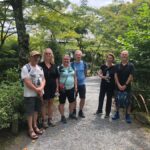
This works best if you want an efficient Kyoto afternoon with real structure. You’ll see major sites like Nishi Honganji and Nanzen-ji, plus street-level Kyoto like Gion Shirakawa and Kiyamachi-area scenes.
It’s also a good match for families in limited situations. The tour says children under 10 can participate if they’re taller than 140 cm, and the fee is the same as an adult. That means it’s not a casual kids activity for every small child, but it can work when the height requirement is met.
Language is another factor. The guide may speak German, Dutch, Bangladeshi, Hindu, and Urdu. If you have a preference, it’s worth contacting ahead of time so everyone can communicate well.
Skip or reconsider if cycling itself is a problem for you. The tour runs on e-bike movement through the city, and the provider requires good weather for operation. If you’re worried about comfort riding in traffic, you might want a slower, walking-based itinerary instead.
Tips to get the most from your 4 hours
A few practical things will make the ride smoother:
- Wear comfortable shoes. Kyoto temple floors and riverbank areas are easier when your feet feel steady.
- Follow the hand signals during the briefing. It’s not just formality; it helps you ride predictably.
- Keep an eye on your guide’s Viator message before you go so you don’t waste time finding the Clew port.
- Bring a layer. Even in an afternoon ride, weather can shift by the river.
Finally, keep your expectations aligned with the schedule. This is not a slow, all-day museum crawl. It’s a curated loop that gives you stops plus ride time. If you treat it like an afternoon ride built around a few key moments, you’ll get more out of it.
Should you book this e-bike tour of Kyoto?
I think it’s a solid choice if you want maximum Kyoto in a limited afternoon without turning the day into a grind. The big wins are the small group size, the guided storytelling, and the way the route stitches together temples, traditional street atmosphere, and a water-system element that adds actual understanding.
Book it if:
- you like mixing iconic sights with neighborhood streets
- you want an e-bike day that feels structured but relaxed
- you’re happy with a ride-and-pause rhythm for about 4 hours
Pass (or look for another option) if:
- cycling in the city makes you uneasy
- weather conditions are questionable on your planned date
If your goal is a Kyoto day that feels efficient and memorable without feeling rushed, this is the kind of itinerary that delivers.
FAQ
How long is the Kyoto e-bike tour?
It’s about 4 hours (approx.).
Where do I meet and start the tour?
The start point is Times Car Rental, 682 Higashishiokōjichō, Shimogyo Ward, Kyoto. The guide meets you at the Clew share-cycle port located in front of Seikouin Wagatazizou behind the hotel.
What main places does the tour include?
The route includes stops such as Nishi Honganji, Gion (including the Gion Shirakawa area), Heian Shrine, Nanzen-ji, and a break at the Kamogawa (Kamo) River.
Is admission included?
Yes. The tour lists admission tickets as free at the stops.
How big is the group?
The tour has a maximum of 5 travelers.
Can children join?
Children under 10 can participate if they are taller than 140 cm and can ride a bicycle, and they pay the same fee as an adult.