REVIEW · KYOTO
Bike Tour Exploring North Kyoto plus Lunch
Book on Viator →Operated by Cycle Kyoto · Bookable on Viator
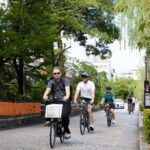
There’s a reason Kyoto looks better from a bike. This North Kyoto ride pairs Cannondale comfort with temple visits (entrance fees included) and a sit-down Japanese lunch to keep your day from turning into pure sightseeing. One thing to consider: it’s still a riding day, so you should be comfortable cycling and have at least moderate fitness for several hours on the move.
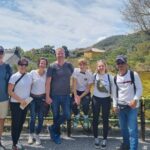
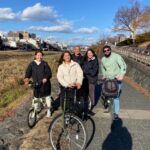
I like that the tour keeps the group small (max 8), so you spend more time rolling through quiet lanes and less time waiting around. You also start by getting your bike fitted properly, which makes a big difference when you’re out for 5 to 6 hours.
Expect a classic Kyoto mix: Nishi Honganji’s massive wooden halls, Kitano Tenmangu’s calm shrine atmosphere, the iconic Golden Pavilion at Kinkakuji, and a quick feel for Gion’s geisha-district streets. You’ll ride back to the same meeting point when you’re done, with bottled water included for the journey.
In This Review
- Key things you’ll notice
- Why North Kyoto by bike feels like the smart move
- The Cycle Kyoto start: bike fitting, friendly check-in, and a smooth launch
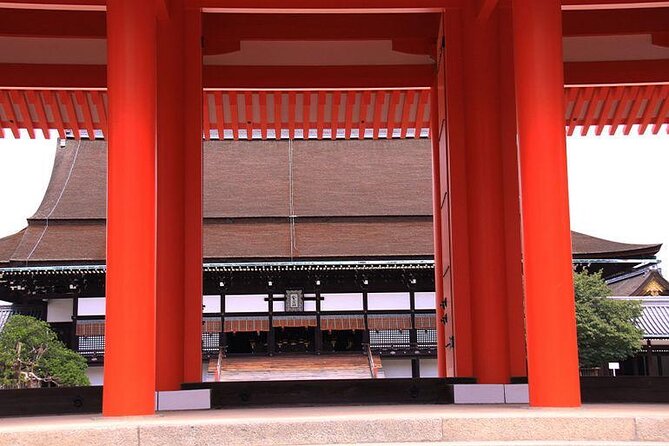
- Nishi Honganji: a massive wooden world you might miss on your own
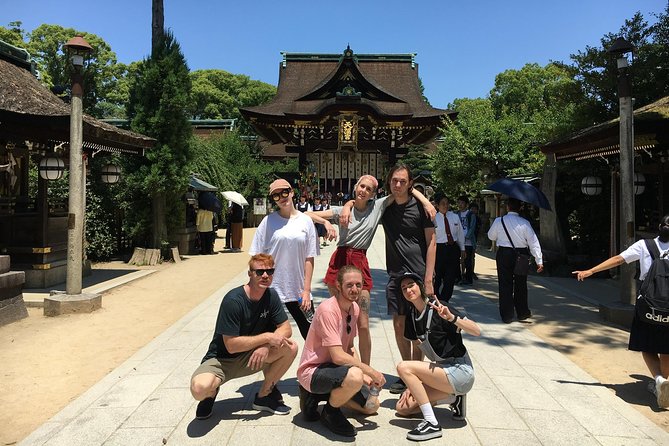
- Kitano Tenmangu: shrine day energy without the chaos
- Kinkakuji Golden Pavilion: the famous stop plus the story behind it
- The imperial-family grounds ride: a quieter pause that adds depth
- Gion stop: quick look at the geisha district, no stress
- Lunch in Kyoto: included fuel that keeps the day fun
- How long it really takes and how hard it feels
- Bike tour value: what your money actually buys
- Guide styles you’ll see: safety, humor, and clean explanations
- Weather and day planning: make it your Kyoto anchor day
- Should you book this bike tour?
- FAQ
- How long is the North Kyoto bike tour?
- What is the price per person?
- What’s included in the tour?
- Are temple entrance fees covered?
- How fit do I need to be?
- Is there an age requirement?
- Can I bring up dietary requirements for lunch?
Key things you’ll notice
- High-quality bikes included: Cannondale bicycles, plus bike fitting so you’re not fighting your setup all day
- Temple entrance fees are covered: you can focus on the sights instead of adding tickets at each stop
- A small group pace: max 8 people helps you move together on a route made for back alleys
- Golden Pavilion includes commentary and a treat: there’s guided explanation, plus ice cream time
- Lunch is built in (and it matters): Japanese lunch is included, and dietary requirements should be shared ahead
- Safety support is part of the deal: helmet is often available, and routes are described as manageable for active riders
Why North Kyoto by bike feels like the smart move
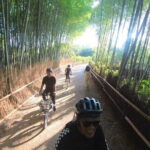
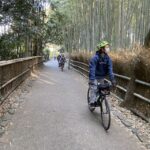
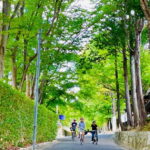
Kyoto has a way of overwhelming you if you try to do it all by train and taxi. A bike tour changes the rhythm: you cover ground fast, but you still get close to the neighborhoods, the side streets, and the atmosphere between the big-name stops.
This tour is designed for that middle ground. You’re not just hopping off for 10-minute photos; you’re rolling through daily-life streets and small lanes while your guide fills in the context. That’s how the city starts to make sense quickly, especially if it’s your first day or first time navigating Kyoto.
And you’re not stuck planning logistics. All cycling equipment, bottled water, lunch, and temple entrance fees are included, so your budget and schedule stay predictable.
You can also read our reviews of more tours and experiences in Kyoto.
The Cycle Kyoto start: bike fitting, friendly check-in, and a smooth launch
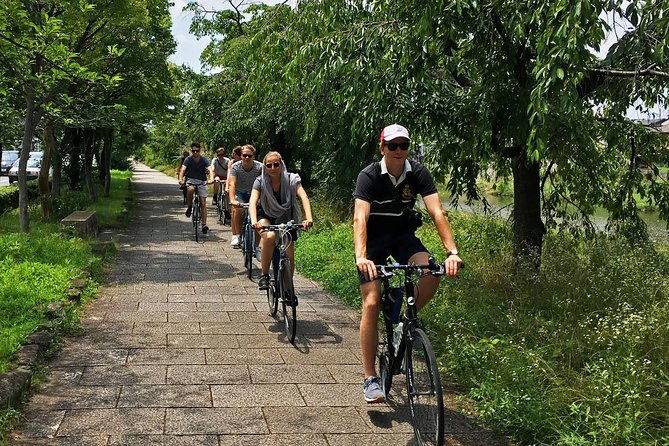
You meet at Cycle Kyoto (7 Higashikujō Nishisannōchō, Minami Ward) around 10:00 am, and the tour ends back at the same place. Plan to arrive a little early so you can meet your guide, meet the other riders, and get your bike properly fitted before rolling.
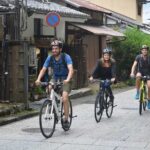
That bike-fitting step is more important than it sounds. In the reviews, riders appreciated that bikes are selected by height and come with added seat padding, which makes a longer day feel far less punishing. If you’re nervous about the ride, this is where you settle your comfort level and ask questions.
It also sets expectations for the group. With a maximum of 8 travelers, you’ll generally get the kind of attention that helps everyone stay together. Guides also handle the day’s flow with frequent sight breaks, so the cycling feels like part of the experience rather than one long grind.
Nishi Honganji: a massive wooden world you might miss on your own
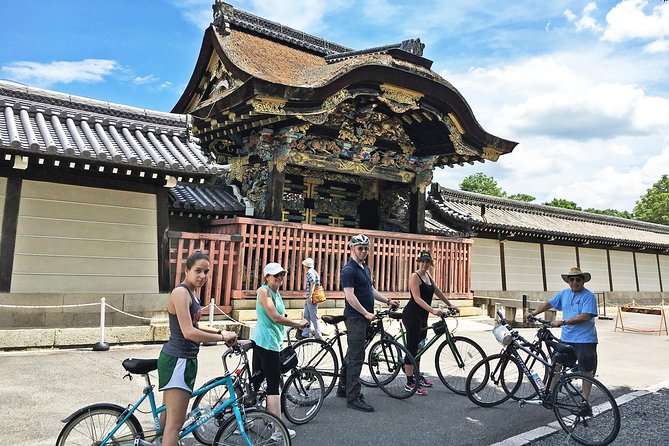
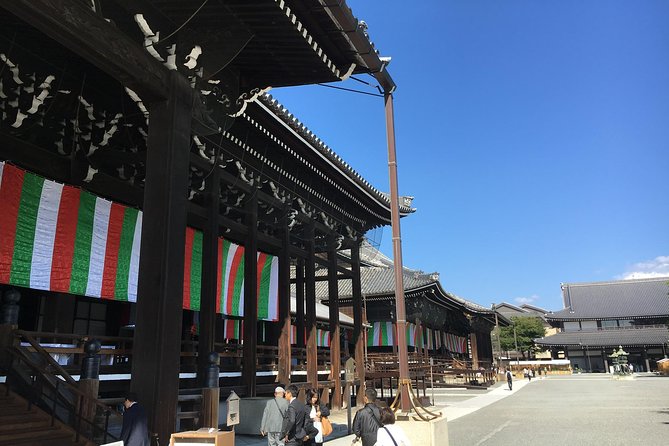
The first real cultural stop is Nishi Honganji. You’ll spend about 15 minutes here, and the entrance is covered.
What makes this place special is the scale and the quiet you feel once you’re inside. Reviews highlight that it’s one of the less visited religious sites in Kyoto and also one of the largest wooden buildings in the world. That combo matters: you get grandeur without the constant crush you can find at the most famous attractions.
If you’re the type who likes to understand where religious practices came from, Nishi Honganji gives you a strong starting point. It’s a good reminder that Kyoto isn’t just about one aesthetic postcard—there’s real religious architecture and living tradition behind what you see.
Practical note: 15 minutes goes by fast, so if you want slower photos, keep an eye on your guide’s timing and don’t get stuck too long at one view.
Kitano Tenmangu: shrine day energy without the chaos
Next up is Kitano Tenmangu Shrine, another 20-minute stop with entrance included. This is a shrine where locals come with a different kind of focus than tourists.
In the best moments, you’ll feel that calm rhythm—people moving through the space, pausing when they want to, and creating a gentle background hum. Reviews also mention guides explaining the shrine’s past and leaning into the tranquil mood rather than rushing it.
This stop is also a good example of why a guided bike route helps. It’s not just that you get there; it’s that you understand what you’re looking at while you’re there.
Kinkakuji Golden Pavilion: the famous stop plus the story behind it
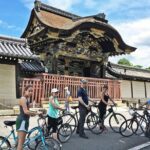
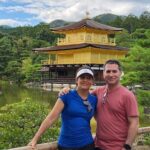
Then comes the big one: Kinkakuji, the Golden Pavilion. Expect about 30 minutes here, and the entrance is included. You’ll also get guided commentary and even ice cream time—small detail, big deal when you’re walking around temple grounds in warm weather.
Kinkakuji can be crowded. On this tour, you’re not spending your entire time waiting in long lines or getting pulled in every direction by random foot traffic. Instead, you get a guided framework and a bit more structure, which helps you enjoy the place rather than just survive it.
There’s also a riding consideration. One review notes a slight incline before you reach the Golden Pavilion area, followed by easier riding afterward. If you’re not sure how you’ll handle small hills, don’t panic—this route is described as easy to moderate, with breaks built in.
For me, the best part of Kinkakuji on a bike tour is how the stop fits into the day. It feels like a chapter, not an end-of-trip sprint.
The imperial-family grounds ride: a quieter pause that adds depth
After Kinkakuji, there’s a ride through the grounds of the former seat of Japan’s imperial family. The tour includes time here for you to learn about its past and enjoy the atmosphere.
This is the type of stop that doesn’t always make it into the most basic Kyoto checklists. And that’s exactly why it works on a bike tour: you can cover key landmarks while still getting a slightly different Kyoto angle.
Even if you don’t know much going in, you’ll leave with a better sense of how the region fits into Japan’s larger story. Guides often add context here in a way that makes the setting feel meaningful rather than just scenic.
Gion stop: quick look at the geisha district, no stress
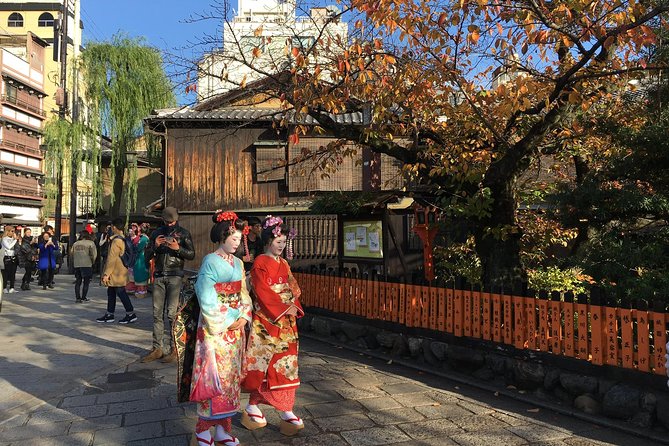
Your last major stop is Gion, about 10 minutes with entrance free. This is where you get a fast, street-level feel for one of Kyoto’s most recognizable neighborhoods.
Gion can feel like a theater from far away. Up close, it’s different: narrow lanes, discreet corners, and that sense of tradition living alongside modern visitors. The tour gives you time to explore the area briefly and learn about how the district works, with the chance you might spot performers from a distance—no guarantees, but the possibility keeps it exciting.
This timing also makes sense. You’ve built up your “Kyoto context” through temples and shrines, so when you reach Gion, you understand what you’re seeing rather than just admiring the facades.
Lunch in Kyoto: included fuel that keeps the day fun
Lunch is included, and it’s a real part of the value. In reviews, riders describe the food as delicious and also mention that it’s a Japanese meal that helps you refuel without slowing the tour down.
A couple of details stand out. First, lunch timing keeps your energy from crashing in the afternoon. Second, there are vegetarian options when requested—so if that’s your diet, make sure you share dietary requirements ahead of time.
One review also mentions the lunch plan being swapped when a noodle house was closed, with the group moving to sushi instead. That’s reassuring. In a city with schedules that don’t always behave, having a guide who can handle changes calmly makes the whole day smoother.
How long it really takes and how hard it feels
The tour runs about 5 to 6 hours. You’ll cycle for a portion of that time, with sightseeing stops and short breaks throughout.
From the reviews you can get a sense of what to expect physically:
- Some riders describe it around 13 miles across roughly 6 hours
- Another rider notes about 24 km cycling, with around 2.5 hours of actual riding time
Either way, the pattern is consistent: more riding time than walking time, but not so much cycling that you feel destroyed at the end. Hills are described as limited, with at least one mention of a small incline near the Golden Pavilion area.
The tour is best for active travelers who are comfortable on a bike. If you’re new to biking, it can still work, but you’ll want to go in with realistic expectations and let your guide set your pace.
Also, it’s a hot-weather sort of day in Kyoto. Bottled water is included, and guides are careful about hydration—so bring a mindset of steady effort, not sprinting between stops.
Bike tour value: what your money actually buys
At $106.12 per person for a 5 to 6 hour North Kyoto tour, the headline price is only half the story. The real value is in what’s included.
Here’s what you get without extra ticket hunting:
- A high-quality Cannondale bike
- Bottled water
- Lunch
- Temple entrance fees
When you compare that to the cost of renting a decent bike plus paying for multiple temple visits and finding lunch yourself, the price starts to look fair. You’re paying for convenience, routing, and interpretation—the stuff that’s hard to recreate on your own without spending hours planning.
You’re also paying for safety and group pacing. The small size (max 8) means you’re not one of dozens squeezed into the same photo spots. That’s a quality-of-day difference, not just a comfort detail.
Guide styles you’ll see: safety, humor, and clean explanations
A big reason people rate this tour so highly is the guides. Names that come up in reviews include Mayco, Julian, Indra, Jamie, Karl, Quin/Quinn, and Jay.
What they tend to have in common:
- They keep the ride safe and manageable for mixed skill levels
- They share stories that connect religion, history, and daily life
- They often explain what you’re looking at so stops feel less random
One review notes a guide making an effort to learn everyone’s name, which sounds small until you’re sitting in the middle of a busy Kyoto crowd and suddenly you feel like the group is actually together. Another review praises humor and a friendly, almost local friend vibe.
If you like learning while you move, you’ll likely enjoy the way these guides pace commentary and breaks.
Weather and day planning: make it your Kyoto anchor day
This experience requires good weather. That matters in Kyoto—rain can turn side streets into a slippery mess and change the way groups can ride safely.
The good news: the tour is designed to be rescheduled when weather turns, and cancellation is free up to 24 hours in advance. Translation: if you’re smart, you can schedule it early in your Kyoto trip so you have flexibility if you need to move it.
If you want a simple plan, I suggest booking this as one of your first full-day activities. You’ll get a fast orientation and a feeling for which neighborhoods you’ll want to explore on your own later.
Should you book this bike tour?
Yes, if you want Kyoto with less stress and more meaning. This is a strong choice when you like active sightseeing, appreciate temple and shrine context, and want lunch plus entrance fees handled for you.
Skip it or think carefully if you’re not comfortable riding a bike for several hours, even at an easy-to-moderate pace. Also, if rain is likely and you can’t be flexible, you may want a backup plan in your itinerary.
If you book, do one thing that makes everything easier: tell the company about any dietary needs ahead of time. Then show up ready to pedal, listen, and enjoy Kyoto at bike speed—where the small streets do as much work as the big sights.
FAQ
How long is the North Kyoto bike tour?
It runs about 5 to 6 hours.
What is the price per person?
The price is $106.12 per person.
What’s included in the tour?
Included are the bike and cycling equipment, guidance, bottled water, lunch, and temple entrance fees.
Are temple entrance fees covered?
Yes. Temple entrance fees are included.
How fit do I need to be?
You should have a moderate physical fitness level and be comfortable riding a bike.
Is there an age requirement?
Riders must be at least 13 years old.
Can I bring up dietary requirements for lunch?
Yes. Dietary requirements need to be known ahead of time, so let the provider know during booking.