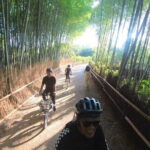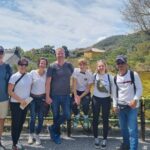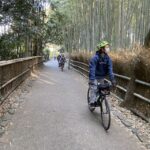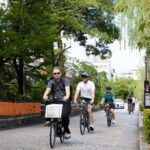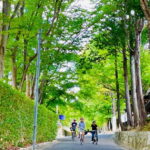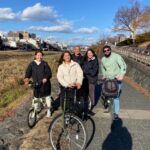
Kyoto by e-bike beats the bus-and-bundle routine. I love the way this tour pairs an easy ride with Asuka’s friendly local guidance, so the day feels more like exploring with a new friend than following a checklist. You start in the Gojo area, glide along the e-bike, and even get a playful moment at the Kamogawa River stepping stones before you hit Ginkaku-ji.
What I like most is the slower rhythm: you’re not sent straight into Kyoto’s busiest lanes, so you can actually chat and take photos without feeling rushed. The one real consideration is simple: this tour is not for you if you’re not comfortable riding a bike, because it’s a 3-4 hour cycling experience with rules about shoes and luggage.
In This Review
- Key points at a glance
- Meeting Asuka in Gojo and getting your e-bike set for Kyoto
- Glide along Kamogawa River toward Ginkaku-ji without the stress
- Philosopher’s Path pacing: biking Kyoto’s calmer side to Nanzen-ji
- Heian Jingu Shrine as a satisfying ending, not a second morning
- The e-bike ride itself: safe enough for fun, not for fear
- What the tour includes (and what you’ll pay out of pocket)
- Rain plan, comfort rules, and what to bring so you stay happy
- What you’re really buying: less crowds, better conversations, and a friend named Asuka
- Who this Kyoto e-bike tour fits best
- Should you book this Kyoto e-bike tour?
- FAQ
- How long is the Kyoto e-bike tour?
- Where do I meet the guide?
- What locations does the tour visit?
- What’s included in the price?
- Is water or food included?
- What should I wear or bring?
- Is the tour okay if it rains?
- Do I need to know how to ride a bike?
- Can I keep renting the bike after the tour?
Key points at a glance
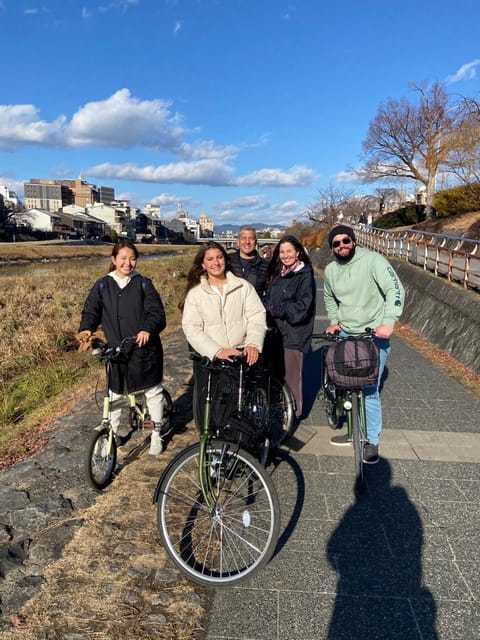
- Asuka guides in English and shares personal Kyoto travel tips, plus food and planning ideas
- E-bike riding makes Kyoto feel doable, even if walking would wear you out
- Kamogawa River + stepping stones adds a fun, memorable moment early on
- Ginkaku-ji, Philosopher’s Path, Nanzen-ji, and Heian Jingu are all in one smooth loop
- You get free time near Ginkaku-ji for souvenirs, coffee, and matcha crepes
Meeting Asuka in Gojo and getting your e-bike set for Kyoto
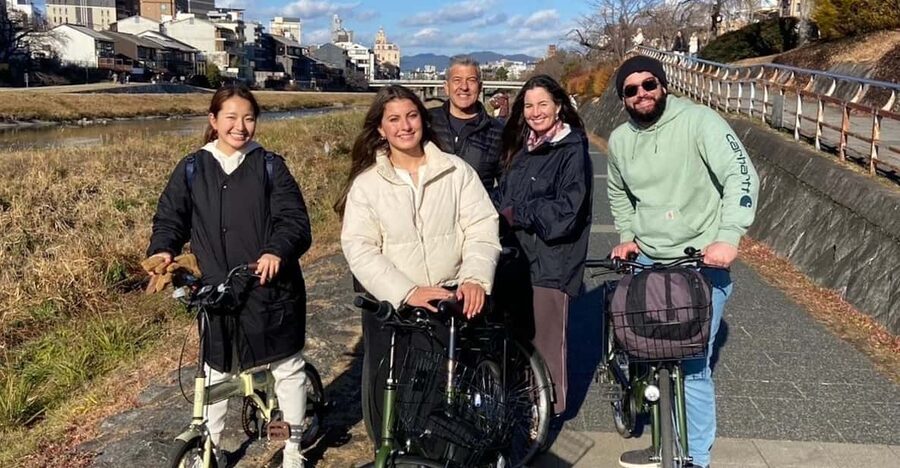
The tour meets at a rental cycling shop in the Gojo area. It’s a convenient jump-off point from Kyoto Station: about 6 minutes by train or roughly 20 minutes on foot. That matters because you don’t lose your morning (or afternoon) wrestling with long transit transfers just to start sightseeing.
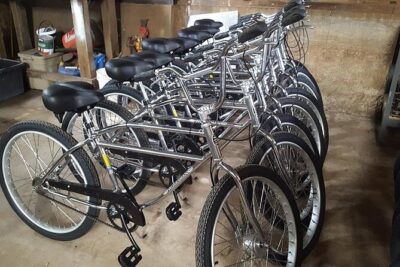
Once you arrive, you’ll pick up a standard e-bike plus a helmet. You’ll also get the basics for how the route works, then you’re off toward east Kyoto. In past rides, people have commented that a bit of bike adjustment time at the start helps you feel confident quickly—so if you’re a little rusty, arrive early and ask for extra setup time.
As for the guide: Asuka runs the experience. She’s a graduate student who’s studied in the UK, and she’s also lived in the US (North Carolina) and the UK (London) as a student and exchange student. In plain terms: her English is good, and she’s comfortable chatting. Add her interests—travel, music, yoga—and the vibe tends to feel relaxed. You’re not getting lectured through Kyoto. You’re getting steered through it.
You can also read our reviews of more tours and experiences in Kyoto.
Glide along Kamogawa River toward Ginkaku-ji without the stress
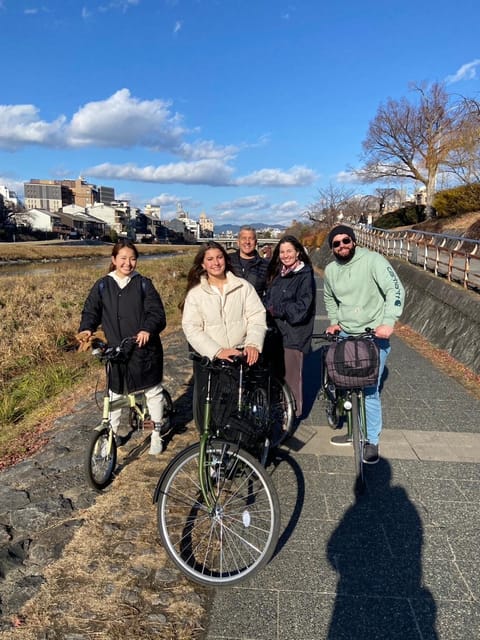
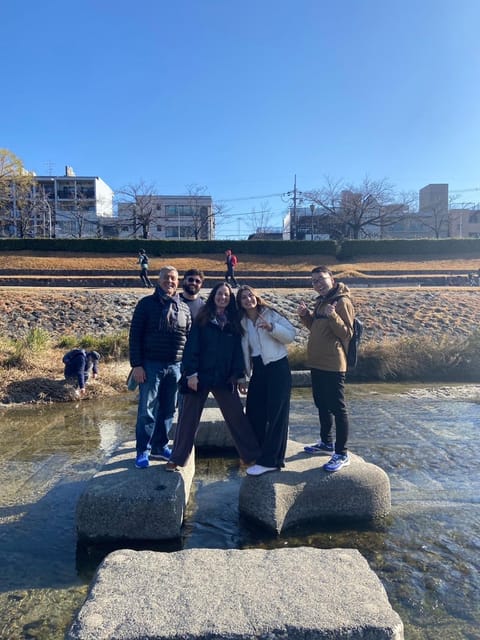
Your first major stop is Ginkaku-ji (the Silver Pavilion). But the route is the point too. On the way, you bike by the Kamogawa River, and yes, you get a fun chance to hop across the stepping stones. It’s one of those small moments that turns a scenic ride into a story you’ll remember later.
Cycling here also helps you avoid the worst of city traffic. The tour is designed to skip the most jammed parts of Kyoto so you can keep a comfortable pace. If you’ve ever spent time watching crowds inch along while you clutch a phone like it’s a life raft, this approach feels like a breath of fresh air.
At Ginkaku-ji, you’ll have free time for the things that make temple visits actually enjoyable: strolling at your own pace, browsing for souvenirs, and grabbing a snack. There’s time mentioned for coffee and matcha crepes, which is a very Kyoto kind of fuel before you roll on.
Two practical notes for your feet and timing:
- Bring comfortable shoes. Temple days turn into a lot of walking even when you’re on an e-bike.
- This is an active tour, so plan to drink water on your own (water is not included).
Philosopher’s Path pacing: biking Kyoto’s calmer side to Nanzen-ji
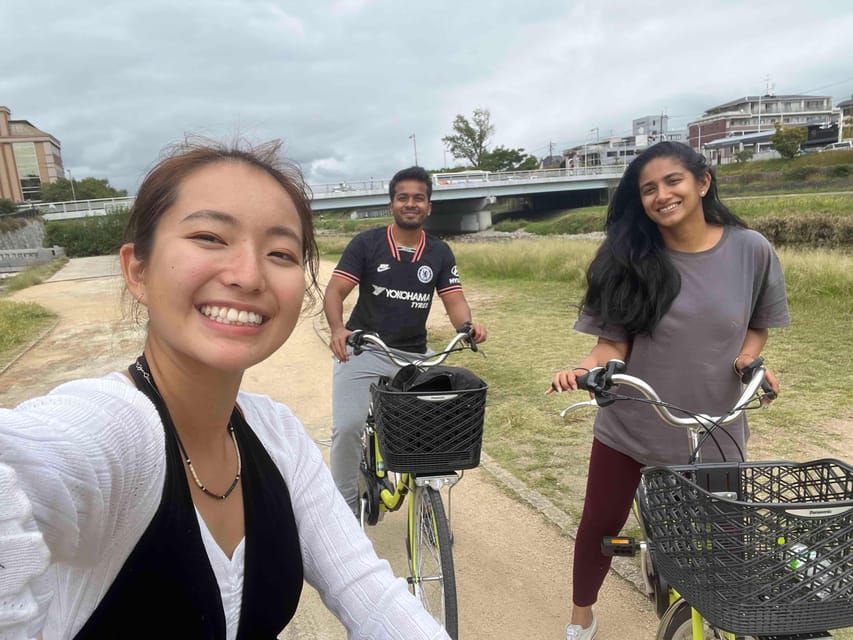
After Ginkaku-ji, you head toward Nan Zen-ji (Nanzen-ji) via Philosopher’s Path. This is where the tour’s “don’t go only where everyone goes” philosophy shows up again. The goal isn’t to sprint between monuments. It’s to ride through the quieter Kyoto lanes where you can actually notice what you’re passing: small streets, pedestrian pockets, and river-adjacent views that don’t feel like a theme park corridor.
Nanzen-ji is a strong payoff. People get excited about the big views here, and it’s easy to see why: it’s the kind of temple complex where your brain goes quiet for a second because there’s so much to take in. This stop is also where the e-bike makes a difference. You’re not doing a full day of walking just to stand in line or move slowly through crowds.
On some departures, you might also spot extra sights along the way that add variety. For example, one past ride mentioned an aqueduct sighting during the cycling portion, which fits the idea of seeing more than just the “top photo” angles. Don’t count on specific add-ons—but do expect the route to include scenic, less-expected stops.
And yes, you’ll be able to take pictures. The tour includes time for photography as you wish, which is a big deal on short temple days when you usually feel like you’re rushing to capture everything instead of actually seeing it.
Heian Jingu Shrine as a satisfying ending, not a second morning
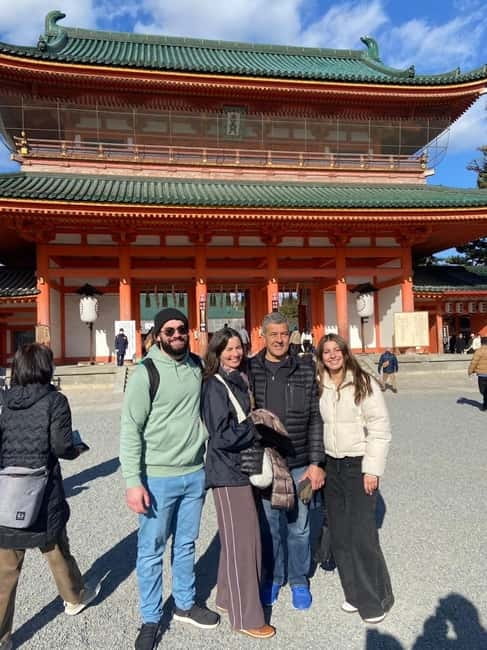
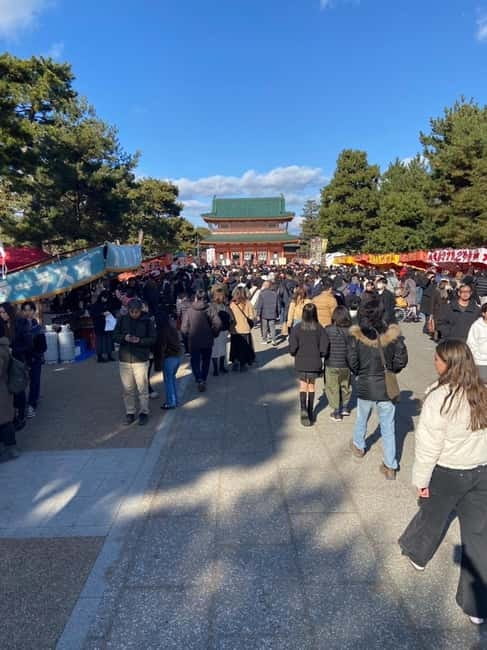
The last destination is Heian Jingu Shrine. Ending with a shrine instead of another temple gives the day a little shape: early sacred immersion, mid-day big complex energy, and then a calmer finish that still feels important.
What makes this ending work for your schedule is timing. The whole tour lasts about 3-4 hours, and it ends back at the rental bike shop. That means you’re not stuck with a late-day transit problem. You can smoothly continue on your own afterward—especially handy because Kyoto can be hard to navigate if you’re tired.
If you want to keep going, the operator can arrange for you to keep renting the bike after the tour. This is a practical advantage because you can extend the day without starting the whole “where do we go next” conversation from scratch.
The e-bike ride itself: safe enough for fun, not for fear
E-bikes are doing the heavy lifting here, and the feedback has been consistent: the motors help enough that you can pedal lightly rather than burning out your legs. That’s a major quality-of-life factor in Kyoto, where even “short” distances can feel longer than you expect once you mix in steps up temple paths and time spent taking photos.
Safety-wise, the tour uses standard cycling with a group guide. Since the tour also warns you that they can’t be responsible for injuries, the real safety rule is on you: know how to ride a bike before you go. If you can handle a bike confidently in normal city conditions, you’ll likely feel comfortable.
Also pay attention to what’s not allowed:
- High-heeled shoes are not allowed
- Oversize luggage or large bags are not allowed
- The tour is not set up for wheelchair users and it’s not suitable for some health situations (including diabetes and altitude sickness)
If any of those apply, it’s worth choosing a different Kyoto plan designed for your needs.
What the tour includes (and what you’ll pay out of pocket)
At $65 per person, this isn’t a “just show up and wander” deal. You’re paying for the e-bike experience with core costs built in:
- Standard bike rental and helmet
- Tour guide
- Entering tickets
- Parking fees
What you do not get:
- Water
- Food
- Hotel pickup/drop off
- Tips
For value, here’s the practical math: temple entry fees and bike rental add up fast in Kyoto, especially if you try to piece it together yourself. Paying once for the bike + tickets + a guide who knows how to move you through the day tends to be less stressful than doing it solo and still ending up lost in the wrong crowd.
Budget tip: bring a small amount of cash or a card for snacks and souvenirs. You’ll likely want that matcha crepe moment near Ginkaku-ji, plus coffee and whatever else catches your eye.
Rain plan, comfort rules, and what to bring so you stay happy
Kyoto weather can turn quickly. If it rains, the tour has options: you can wear a raincoat or shift to a walking tour, depending on conditions. You’ll talk through this at the meeting point, so keep an open mind about how the day adapts.
Your packing list is simple:
- Comfortable shoes
- Comfortable clothes
And one important mindset: this is an active day. Even though you’re on an e-bike, you’re still dealing with stairs, temple paths, and the regular “Kyoto walking” factor.
Also: the tour can be a great break from long commutes because hotel pickup isn’t included. That means you should plan your arrival to the Gojo area yourself. Once you’re there, the day runs smoothly.
What you’re really buying: less crowds, better conversations, and a friend named Asuka
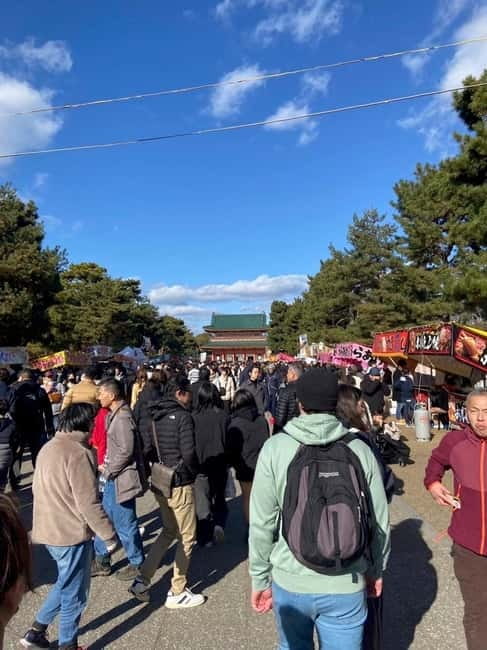
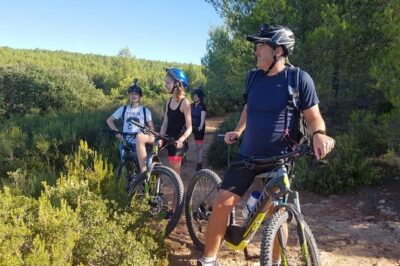
The biggest reason this tour works isn’t just the route. It’s the attitude. The plan avoids Kyoto’s busiest stretches so you can slow down, chat, and enjoy the ride. That makes a difference when you’re trying to experience Kyoto instead of just collecting photos.
Asuka’s role is also more than “point and talk.” She’s described as patient and accommodating, and people have noted her helpfulness with practical bits like souvenirs. One review also mentioned extra fun moments like a dog show sighting during the tour day, which sounds random until you remember that real travel is full of small local surprises.
If you want history, you’ll likely get it. But if you mainly want a day that feels friendly and human, you’ll get that too. Asuka can help with travel planning beyond the route—where to go next, places to eat, and how to think about your overall Kyoto days.
Who this Kyoto e-bike tour fits best
This is a strong fit if you:
- Want to see major east Kyoto sites without spending the whole day walking
- Like chatting with a local guide and learning through conversation
- Prefer quieter travel routes where you can actually breathe
- Want an efficient plan in about 3-4 hours
It may not fit if you:
- Can’t confidently ride a bicycle
- Need wheelchair access
- Have health constraints listed by the tour (like diabetes or altitude sickness)
- Are traveling with big luggage or want to wear high heels
For families, note the minimum age is 12 years. For seniors, the tour states it isn’t suitable for people over 95 years.
Should you book this Kyoto e-bike tour?
Book it if you want Kyoto that feels personal: bike-powered mobility, a relaxed pace, and a guide who helps you connect the dots instead of steering you through a crowd trap. The $65 price makes sense because it bundles the essentials—e-bike, helmet, guide, entry tickets, and parking—so you’re not doing a DIY scavenger hunt.
Skip it if riding a bike isn’t your thing. And if you’re the type who needs zero physical effort, look for a more stationary sightseeing option instead.
If you’re comfortable on a bike, this is one of the easiest ways to experience east Kyoto with less stress and more “I’m really here” moments.
FAQ
How long is the Kyoto e-bike tour?
The tour lasts about 3-4 hours.
Where do I meet the guide?
You meet the guide at a rental cycling shop in the Gojo area.
What locations does the tour visit?
You’ll visit Ginkaku-ji temple, go along Philosopher’s Path, see Nanzen-ji temple, and finish at Heian Jingu Shrine.
What’s included in the price?
Included are a standard bike rental and helmet, the tour guide, entering tickets, and parking fees.
Is water or food included?
No. Water and food are not included.
What should I wear or bring?
Bring comfortable shoes and comfortable clothes.
Is the tour okay if it rains?
You can wear a raincoat or switch to a walking tour option, and you’ll discuss the plan at the meeting point.
Do I need to know how to ride a bike?
Yes. The tour is not suitable for people who can’t ride a bike, and you should be ready to ride.
Can I keep renting the bike after the tour?
Yes. If you want to keep renting the bike for the rest of the day, the operator can arrange it if you tell them at the start.