REVIEW · KYOTO
Kyoto: Memory Kyoto E-Bike Tour
Book on GetYourGuide →Operated by Historical kyoto bike tour · Bookable on GetYourGuide
Kyoto on a bike changes everything. This 6-hour e-bike loop threads together Kyoto’s top sights without turning your day into a bus-and-bag shuffle. You start at Kitano Tenmangū Shrine, then hit Kinkaku-ji, Tenryū-ji, and the Arashiyama Bamboo Forest in a route that keeps you moving.
I especially like how the tour blends big-name stops with quieter, more human-scale Kyoto moments. Second, I like that the guide work is central to the experience, from shrine background tied to Sugawara no Michizane to Zen garden context at Tenryū-ji. In guides’ names you may see like Pohan, Jorge, and Jodi, there’s a clear theme: calm, patient pacing and lots of safety-minded direction.
One drawback to consider: it’s not for kids under 10, and you do need to be comfortable riding an e-bike with basic awareness (not “hands-off,” not a stroller push). It’s designed to be manageable, but you still should expect some real bike control time.
In This Review
- Key things that make this Kyoto e-bike tour worth your time
- E-bike Kyoto: fast access, less fatigue, better flow
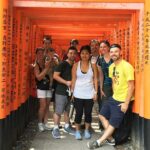
- Starting at Kitano Tenmangū Shrine: the shrine stop that sets the tone
- Kinkaku-ji Golden Pavilion: what you’re really looking for
- Tenryū-ji Temple: the UNESCO Zen garden break you’ll remember
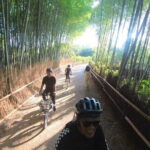
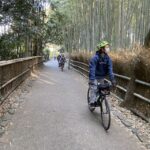
- Arashiyama Bamboo Forest: iconic, but you need the right rhythm
- Riding between sights: quieter streets, real Kyoto, and safety first
- When to go and what changes on crowded days
- Price and value: why $105 can make sense here
- What the day feels like hour by hour (simple version)
- Who should book this Kyoto e-bike tour
- Should you book Memory Kyoto E-Bike Tour?
- FAQ
- FAQ
- How long is the Kyoto Memory e-bike tour?
- What places are included on the tour?
- Where does the tour start and where does it end?
- Is the tour guided in English?
- Are bikes and helmets included?
- What is the group size?
- Is this tour suitable for children?
- Can I get a refund if my plans change?
- Do I have to pay immediately?
Key things that make this Kyoto e-bike tour worth your time
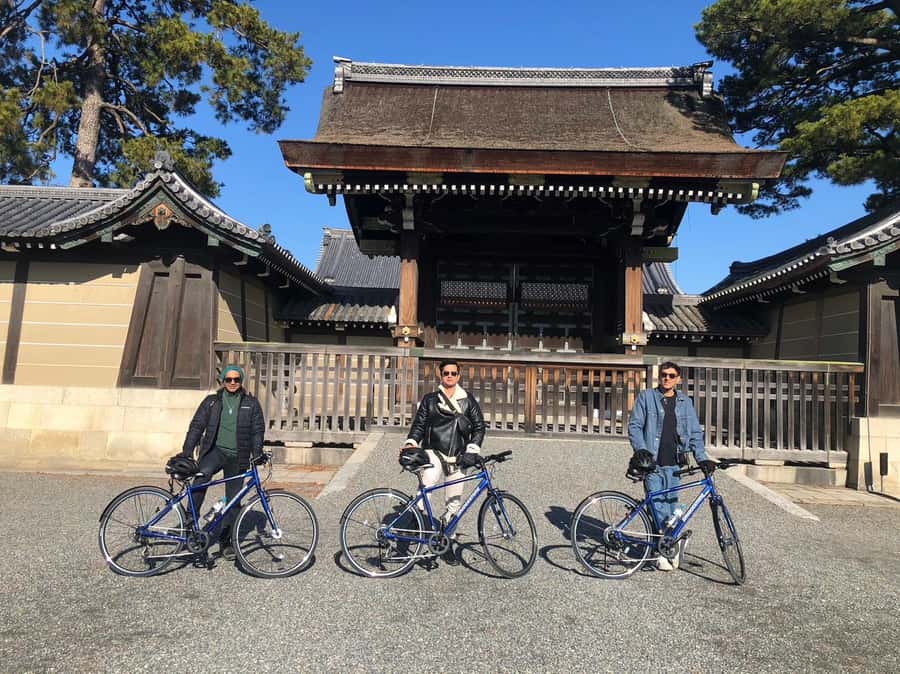
- Small group (up to 8) means you’re not just a body in a crowd.
- English-speaking guides explain what you’re seeing, especially at shrines and temples.
- Kitano Tenmangū Shrine + Sugawara no Michizane connects the visit to a bigger Kyoto story.
- Tenryū-ji’s UNESCO Zen garden gives you a slower, reflective break in the middle of the day.
- Arashiyama Bamboo Forest is iconic, and riding there keeps the day efficient.
- E-bike comfort and safety focus comes up again and again, including calmer navigation in busy seasons.
E-bike Kyoto: fast access, less fatigue, better flow
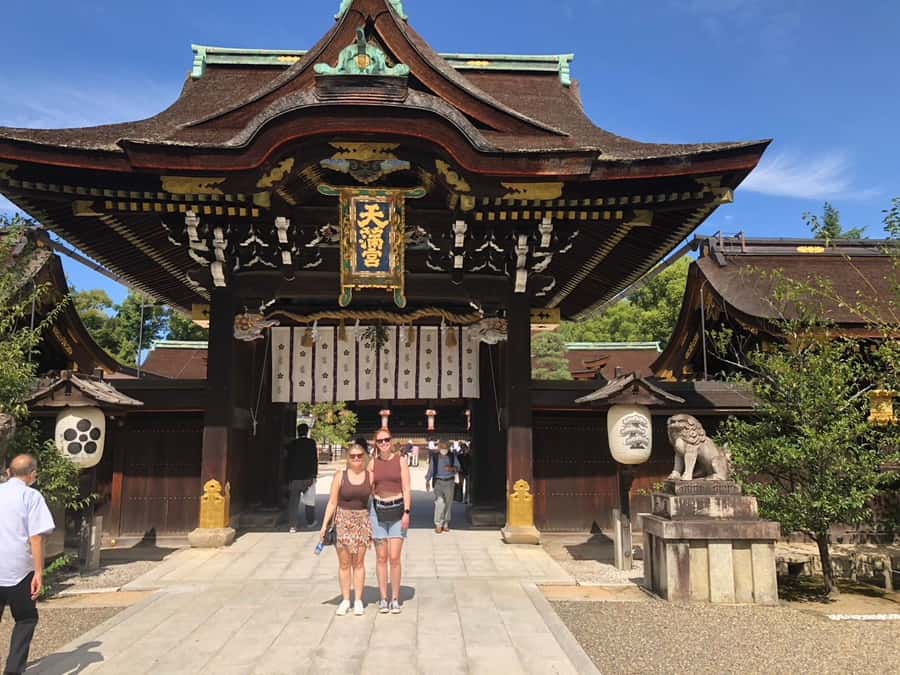
Kyoto can be a lot on your feet. The streets between sights can stretch longer than they look on a map, and that’s where an e-bike helps you keep momentum. For this tour, the big win is that you get to spend your energy on temple time, not on “travel tax.”
The e-bike format also changes how you experience the city. You’re not stuck only at the front of a walking line; you’re moving through Kyoto’s neighborhoods at a pace you can actually control. The guides’ job is to keep you together and safe, which matters because you’ll be riding on real streets, not a theme-park path.
You can also read our reviews of more tours and experiences in Kyoto.
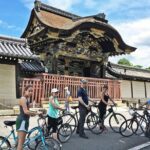
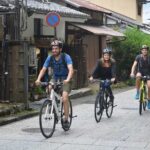
Starting at Kitano Tenmangū Shrine: the shrine stop that sets the tone
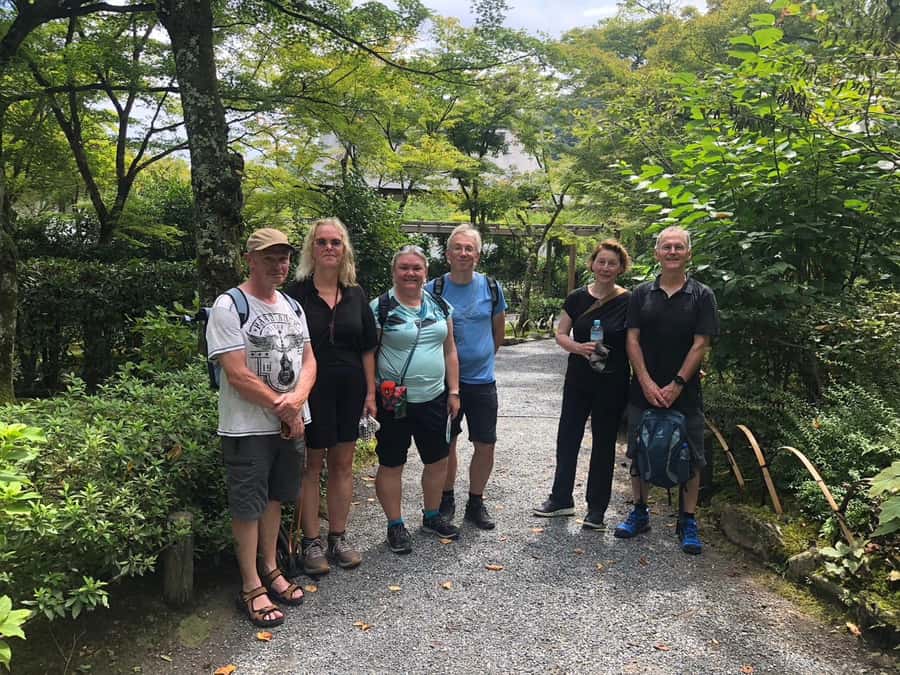
The tour begins at Memory Kyoto bike tour, across from the Kirindo drug store area. From there, you’ll ride to Kitano Tenmangū Shrine, with about a half hour for the guided shrine portion and bike riding around it.
Why this first stop works: Kitano Tenmangū isn’t just pretty architecture. It’s tied to Sugawara no Michizane, and the guide brings that connection into focus so you’re not only counting buildings. You’ll learn why this shrine matters in Kyoto culture and how the traditions here connect to larger Japanese history and belief.
This is also a smart way to start your day. You’re calm at the beginning, fresh legs, and the shrine vibe helps you reset before you go into the visual overload of later stops. Also, starting at a shrine gives you a clear sense of Kyoto’s rhythm: sacred space first, big landmark visuals next.
Kinkaku-ji Golden Pavilion: what you’re really looking for
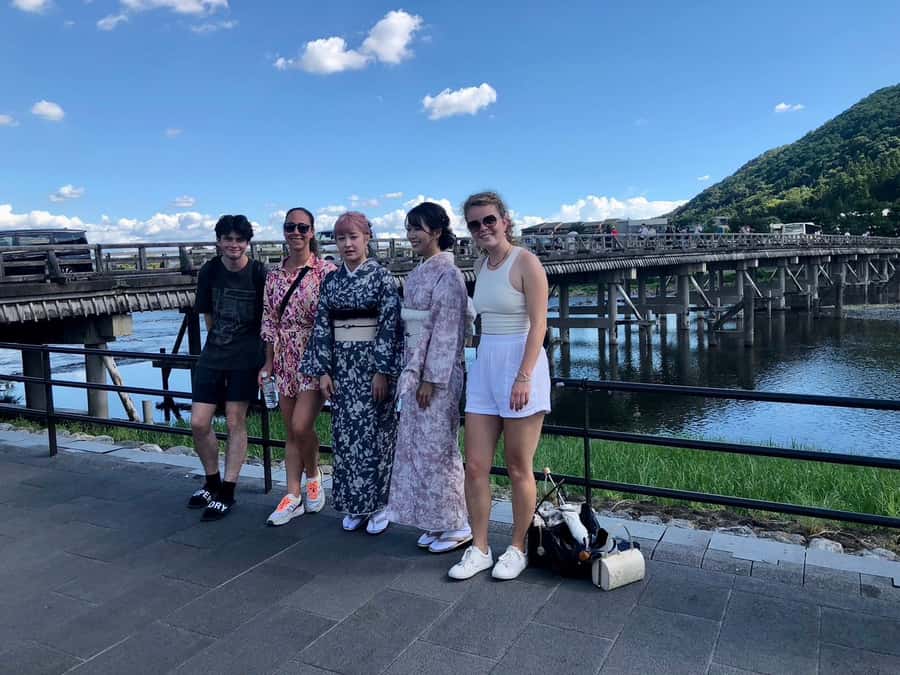
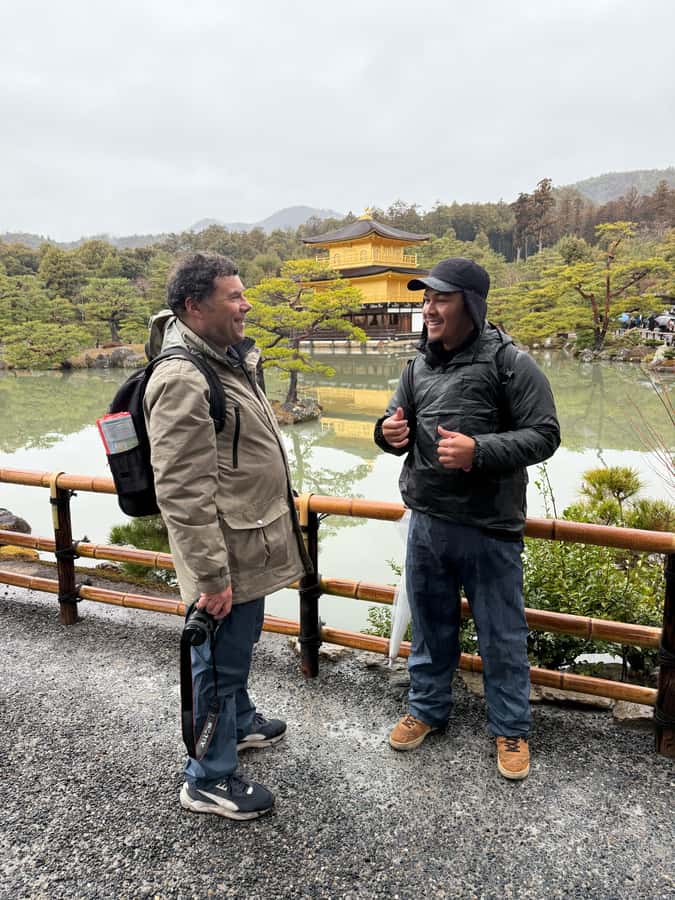
Next up is Kinkaku-ji, the Golden Pavilion. You’ll get around 45 minutes here, including the guided visit time and bike time around the area.
Yes, the exterior is covered in gold leaf, and yes, the reflections over the pond area are the classic photo moment. But the value of having a guide is that you’ll know where to focus and why. You’re watching more than a shiny building—you’re seeing a Zen temple style where form, water, and symmetry do the storytelling work.
A practical tip: this stop can feel crowded depending on the day, because it’s Kyoto’s most recognizable “wow” image. The group format helps you keep moving and stay oriented, instead of wasting time circling for a better angle.
Tenryū-ji Temple: the UNESCO Zen garden break you’ll remember
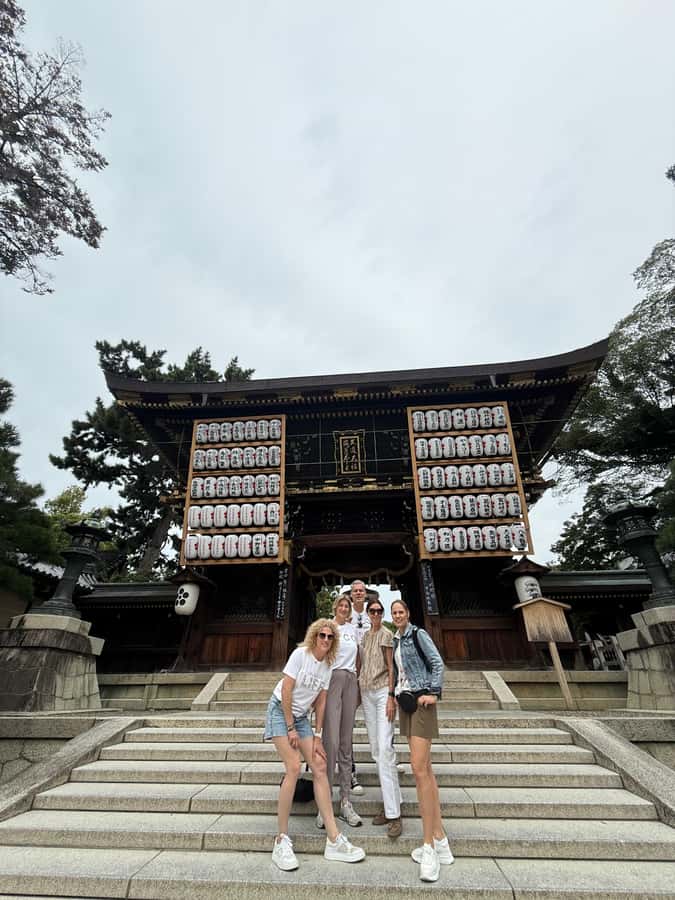
After Kinkaku-ji, you head to Tenryū-ji, another major highlight. Plan on another roughly 45 minutes here, including a guided component plus time to take in the garden and slow-walk a bit.
This is where the tour balances out. Kyoto’s headline temples are often impressive but can feel like speed-run sightseeing if you’re not careful. Tenryū-ji’s Zen garden (a UNESCO World Heritage site) is a chance to shift gears and actually look.
The guide’s job matters here. You’ll get context so you can read the garden layout instead of only snapping pictures. And you’ll understand the mood: not loud, not rushed, but built for observation. Even if you’re not a “garden person,” the setting does something to your pace.
I also like how this stop sits in the middle of the day. By the time you reach Tenryū-ji, you’ve already had one huge visual hit (Kinkaku-ji), so the calmer mood feels earned instead of random.
Arashiyama Bamboo Forest: iconic, but you need the right rhythm
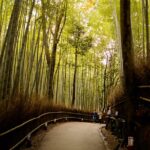
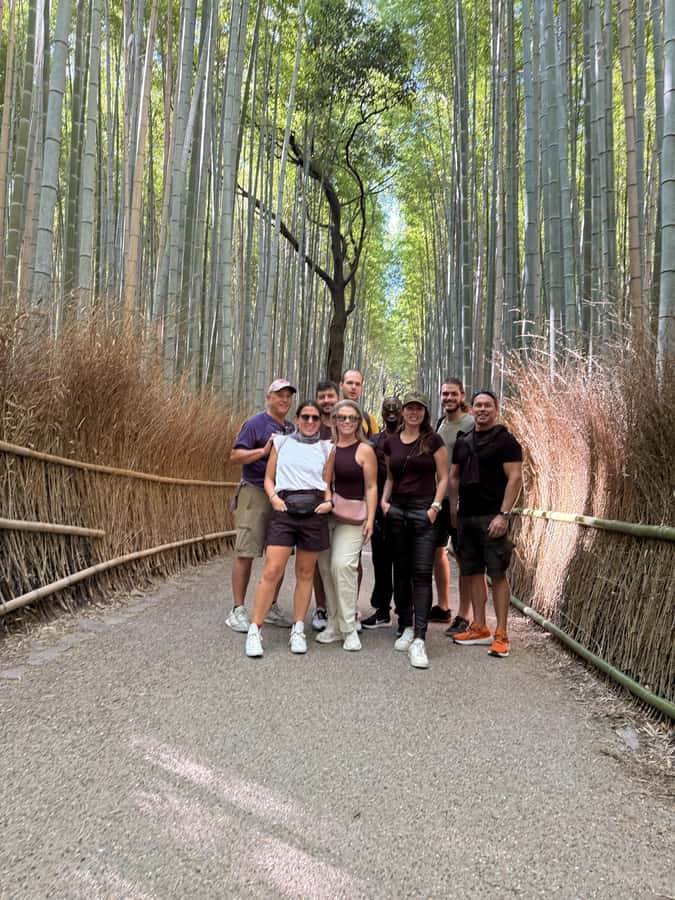
Then it’s time for Arashiyama Bamboo Forest. You’ll have around 45 minutes with a photo stop and time to see the bamboo grove, plus guided or sightseeing support.
This is one of the world’s most instantly recognizable scenes. Towering bamboo stalks create an atmosphere that can feel otherworldly, and the space pulls you into quiet mode even when it’s busy.
The key is rhythm. The tour format keeps you from arriving, standing still, and getting stuck behind slow-moving crowds. You’ll also be able to move through the area more efficiently because you’re not managing your own route plus parking plus ticket timing.
One interesting extra from guide-led experiences: some groups are taken to a nearby lake close to the bamboo forest. That kind of detour can make the bamboo stop feel less like a single photo moment and more like a mini-exploration. If your guide offers something like that, it’s a nice payoff.
Riding between sights: quieter streets, real Kyoto, and safety first
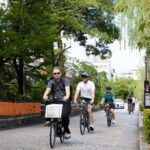
Here’s what I think is the secret sauce. The temples are the obvious reasons to book, but the ride between them is what makes the day feel like Kyoto instead of a list of landmarks.
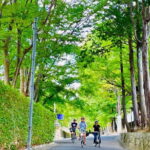
E-bikes let you cover distance without frying your legs. More importantly, guides often route you through neighborhood streets rather than only the busiest corridors. That means you get a more authentic slice of daily Kyoto life—quiet lanes, local storefronts, and a sense of being part of the city rather than parachuting from one attraction to the next.
Safety and ease show up constantly in the feedback. The most consistent theme is that guides keep the pace manageable and explain what to do so you’re not tense. Some first-timers even call out that it made their day easier because an e-bike smooths out the physical load.
Just be honest with yourself: this isn’t a “sit and coast while you stare” experience. You’ll still need awareness, steering, and basic balance. If you can handle a bike on city streets for short stretches, you’ll be fine.
When to go and what changes on crowded days
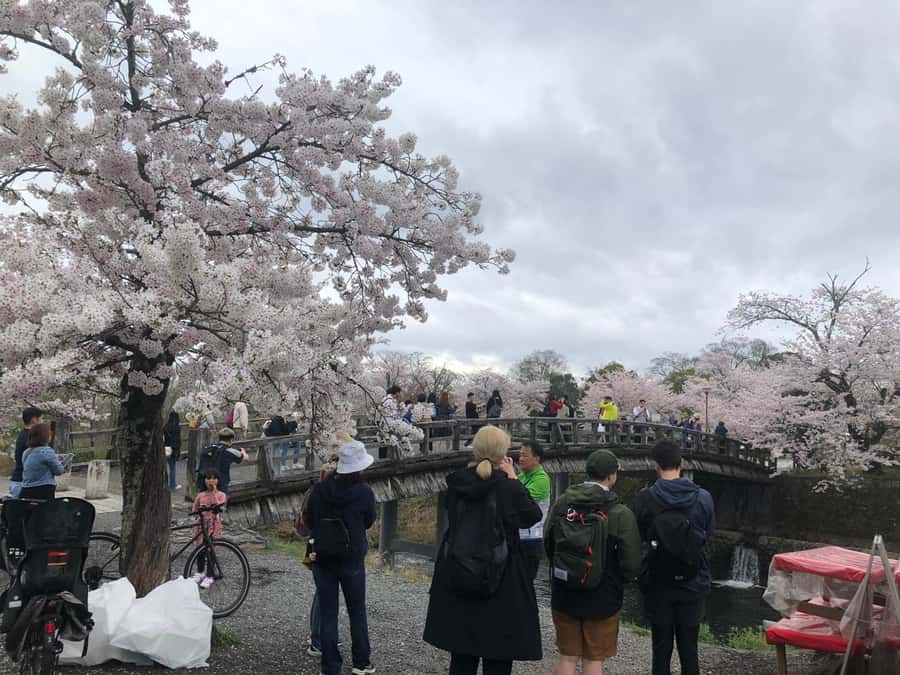
Kyoto has seasons where the city feels like a magnet for everyone at once. During peak periods like cherry blossom time, the big sites can be intense. The value of a small group and a good guide is that you’re more likely to get photo moments without spending your whole day blocked in a crowd.
The tour has also shown flexibility when weather turns up—one departure was adjusted to the next day due to rain. That’s not guaranteed in every situation, but it’s a good sign that the operator is paying attention.
If you’re deciding your travel dates, consider this: the earlier you ride, the more chance you have for calmer conditions at the most famous stops.
Price and value: why $105 can make sense here
At $105 per person for a roughly 6-hour experience, this is not the cheapest way to see Kyoto. But it can be good value when you look at what you’re buying.
You’re paying for:
- An English-speaking guide with context for shrines, temples, and gardens
- A real e-bike + helmet, so you’re not renting separately
- A route that strings together four major highlights in one day
- Time at each stop long enough to actually absorb it, not only pose and leave
If you tried to copy this day on your own, you’d spend money on bike rental, lose time coordinating rides between areas, and likely miss the interpretive layer that makes places like Tenryū-ji hit harder. That interpretive layer is a big part of why the tour gets such high scores.
Also, small group size (limited to 8) matters. In practice, that means more individualized attention on the ride and less waiting around.
What the day feels like hour by hour (simple version)
Here’s the rhythm you can expect, without overloading you with timings.
1) Kitano Tenmangū Shrine: guided introduction plus time to look around before the landmarks pile on
2) Kinkaku-ji: guided Golden Pavilion viewing and pond-area atmosphere
3) Arashiyama Bamboo Forest: photo stop plus time in the grove’s calm/quiet zone
4) Tenryū-ji: UNESCO Zen garden time that slows the day down
You’ll also bike between sites and do some walking inside temple areas. The pacing is generally described as easy riding, but you should still plan on moderate attention and energy.
Who should book this Kyoto e-bike tour
I’d book it if you want:
- The big Kyoto hits: Kitano Tenmangū, Kinkaku-ji, Tenryū-ji, and Arashiyama
- A guided interpretation layer (especially for the shrine and Zen garden)
- A low-stress way to cover distance without wearing yourself out
- A day that mixes bike time and walk time in a logical flow
It might not be for you if:
- You want fully solo control with no group plan
- You don’t feel comfortable riding an e-bike on city streets for short stretches
- You need a children-focused option (this one is not suitable for children under 10)
Should you book Memory Kyoto E-Bike Tour?
If you’re trying to choose between “wander on foot” and a guided plan, I’d lean toward this one. The tour’s strongest assets are the combo of major sights plus guided context, and the way the e-bikes make the day feel efficient without feeling like a sprint.
Book it if you care about understanding what you see—Sugawara no Michizane at Kitano Tenmangū, what makes Tenryū-ji special, and how the bamboo stop lands when you’re not lost or stuck. Skip it only if you’re allergic to group pacing or you’re not comfortable biking in traffic-adjacent streets.
FAQ
FAQ
How long is the Kyoto Memory e-bike tour?
The tour runs for 6 hours.
What places are included on the tour?
You’ll visit Kitano Tenmangū Shrine, Kinkaku-ji (Golden Pavilion), Arashiyama Bamboo Forest, and Tenryū-ji Temple.
Where does the tour start and where does it end?
The start is opposite the Kirindo drug store, and the activity ends back at the same meeting point.
Is the tour guided in English?
Yes, it includes an English live tour guide.
Are bikes and helmets included?
Yes. The price includes use of the bike and helmet, plus a water bottle.
What is the group size?
It’s a small group limited to 8 participants.
Is this tour suitable for children?
No. It’s not suitable for children under 10.
Can I get a refund if my plans change?
Yes. It offers free cancellation up to 24 hours in advance for a full refund.
Do I have to pay immediately?
No. It includes reserve now & pay later, so you can book without paying right away.