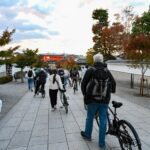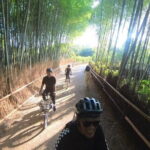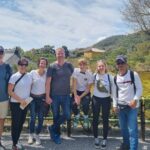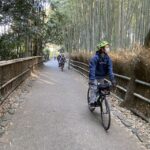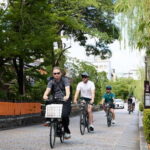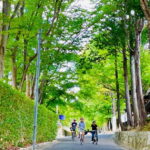
Kyoto on two wheels is a fast way to understand the city. This tailored e-bike tour mixes iconic areas with calmer temples and local shops, guided by a Kyoto-loving pro who helps you ask questions and connect dots as you ride. I especially like the way the route can adapt to your group, and how you can swap guidebook stops for real conversations and everyday Kyoto moments—just keep in mind you do need to be able to ride a bicycle comfortably.
Guides such as Yonnie, Paulina, and Kiyoto stand out for how they pace the day and keep it feeling human, not rushed. You’ll cover a lot of ground you’d struggle to reach on foot, but still get time to stop, look, and ask. The one practical watch-out: if the weather turns nasty, you’re going to need the right layers, since the tour runs rain or shine.
In This Review
- Key things that make this Kyoto e-bike tour worth your time
- Why an e-bike changes Kyoto (and your sightseeing math)
- Starting at Sunny Cycle-Bicycle Rent and ending right where you begin
- From Gion to quieter lanes: what the ride feels like
- Temples and off-main-street calm: how the quiet parts matter
- Markets, ramen, and sweets: the stops that taste like Kyoto
- Wagashi shops and local life: why small businesses beat big lists
- Guides who tailor the day: Yonnie, Paulina, Takuma, and Kiyoto
- Value check: is $94 per person a smart spend?
- What to pack and how to handle rain or shine
- Who should book this Kyoto e-bike tour (and who should skip it)
- Should you book Kyoto Tailored E-Bike Tour to Highlights & Hidden Gems?
- FAQ
- What is included in the Kyoto e-bike tour?
- Is food or drinks included?
- Are entrance fees included?
- Do I need to bring a helmet?
- What should I bring for the tour?
- What happens if it rains?
- What languages are available?
- Is this tour suitable for wheelchair users?
Key things that make this Kyoto e-bike tour worth your time
- Tailored stops with a live guide who can adjust the schedule for your group
- E-bike assistance that makes longer temple and backstreet loops feel doable
- Quiet temple time and small lanes near popular areas, not just the main highways
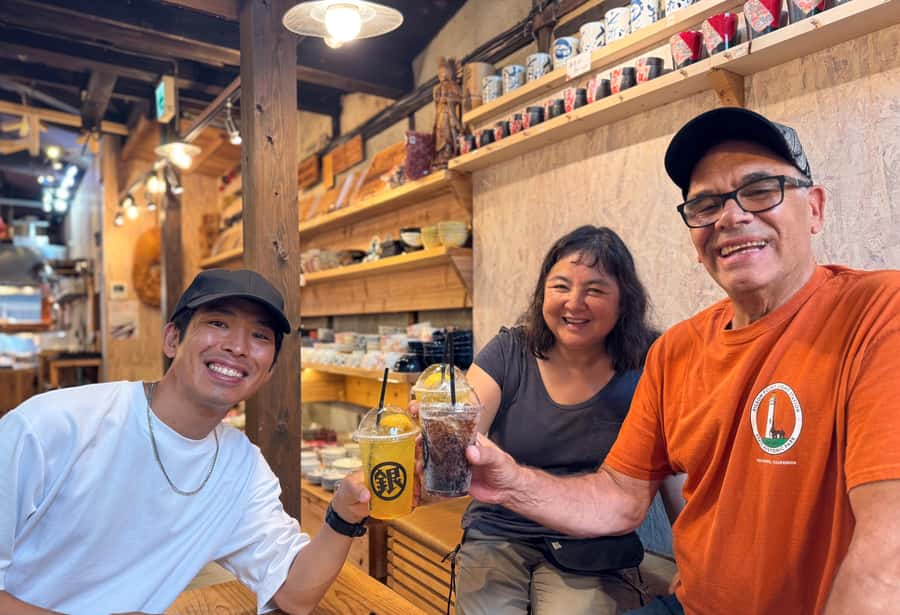
- Food and sweets pointers for wagashi shops and local bites you might miss solo
- Photo help, including extra touches like photos and even a short video clip for some groups
Why an e-bike changes Kyoto (and your sightseeing math)
Kyoto has a funny way of wearing you out. You want to see temples, shrines, neighborhoods, and the little streets in between—but by the afternoon your legs can feel like they’ve filed a complaint. An electric-assisted bike solves the pacing problem. You still get the freedom of moving at your own speed, but you don’t pay the toll of constant walking up and down streets and crossing distances that add up fast.
What I like most is how the bicycle format changes what a guide can do for you. On foot, a guide has to stay tight to what’s close. With an e-bike, your guide can add calmer temples and side streets near bigger landmarks—so you get the best of both worlds: the “I came to Kyoto” moments and the slower, quieter scenes that feel like you found them by accident.
You also avoid the all-or-nothing trap of “either tour bus or solo chaos.” A guided ride keeps you oriented, and the conversation matters. Ask questions, get context, and you’ll notice details you’d normally pass by: the way places are used, small customs you can spot while you’re stopped, and why certain areas feel the way they do.
You can also read our reviews of more tours and experiences in Kyoto.
Starting at Sunny Cycle-Bicycle Rent and ending right where you begin
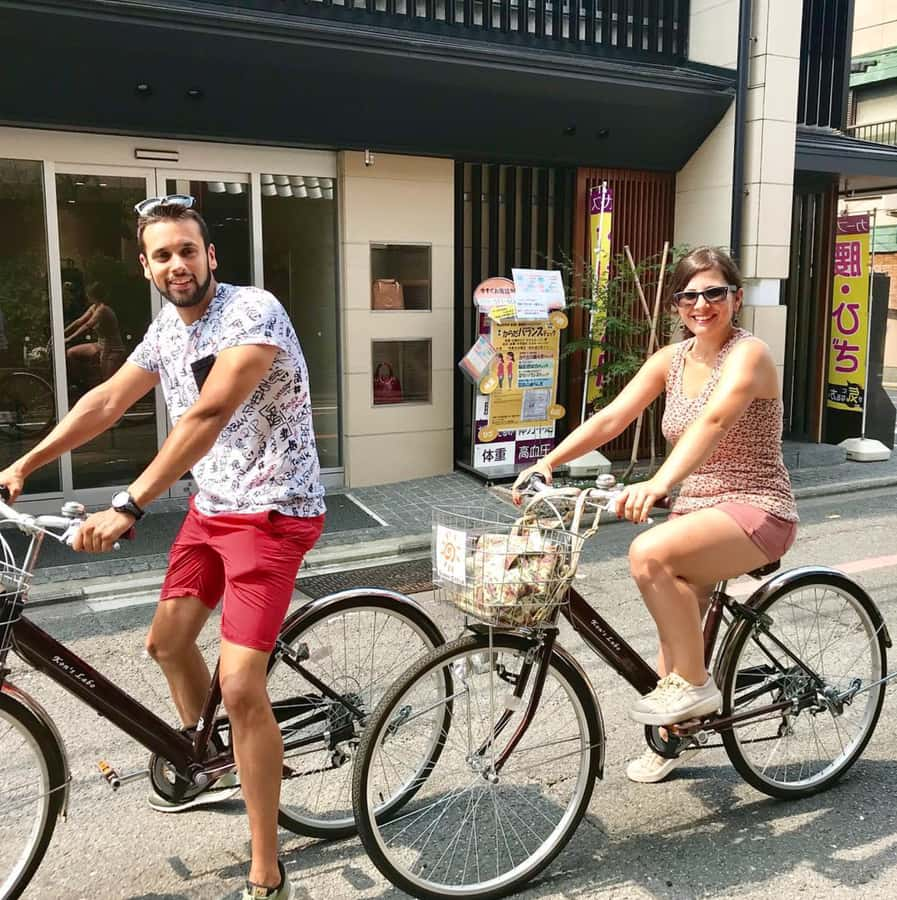
The day starts and ends back at the meeting point at Sunny Cycle-Bicycle Rent, which is a simple setup and helps you plan your morning or afternoon. After you meet your guide, the basics are straightforward: you get the e-bike rental, you wear a helmet if you have one available (it’s not required by law and supply is limited), and you focus on riding comfortably.
A big value point here is that you’re not stuck with rigid timing that makes every stop feel like a race. In practice, the groups I’m seeing are guided at a pace that leaves room to actually look around. That matters in Kyoto. If you only glance, you miss the atmosphere: small streets, quiet temple corners, and the rhythm of neighborhoods.
Also keep the structure in your mind: the tour is designed as a loop back to the starting area. That means you can treat the ride as a self-contained experience. No complicated transit plans mid-day, no guessing how you’ll get back if you get delayed.
From Gion to quieter lanes: what the ride feels like
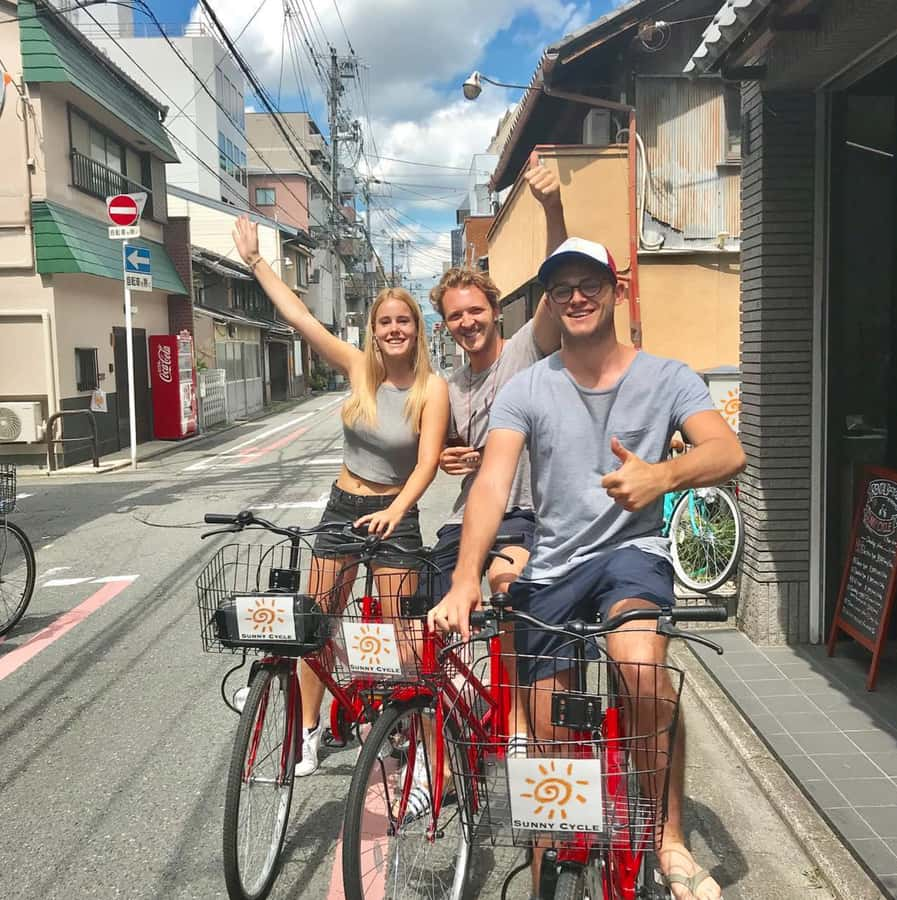
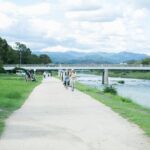
A well-run e-bike tour in Kyoto should feel like a long conversation with stops, not a chain of checkboxes. This one is built that way. Along the route, you’ll ride through areas like Gion, then shift gears into quieter lanes and calm temple spaces that sit close to the places everyone photographs.
The ride itself is where Kyoto gets easier. E-assist helps most people handle hills and longer distances without turning the day into a leg workout. That doesn’t mean you’ll be gliding without effort—you still need to pedal—but it takes the pressure off. You can spend your energy on paying attention instead of managing exhaustion.
Here’s what you can expect in terms of how the day unfolds:
- You’ll move between stops by bike, so distances that would normally stretch your day on foot stay manageable.
- You’ll stop often enough to enjoy the atmosphere, not just pause for photos.
- You’ll have time to ask questions while you’re there, which turns seeing into understanding.
One more detail I’d call out: guides adjust the plan for the group. If you’re a first-timer, you’ll likely get more orientation. If you already know Kyoto, your guide can steer toward deeper explanations and more time where your curiosity pulls you.
Temples and off-main-street calm: how the quiet parts matter
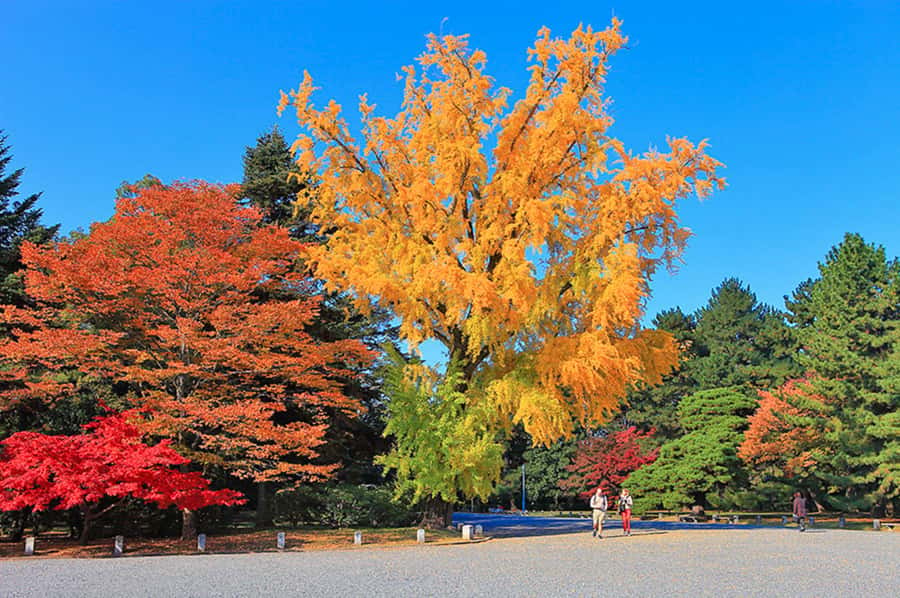
Kyoto’s famous sights can be crowded, and there’s nothing wrong with wanting to see them. But the joy is in the contrast: after the iconic scene, you want a moment where the city slows down.
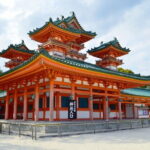
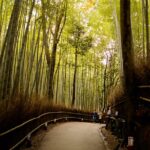
This tour leans hard into that contrast. You’ll spend time at serene temples and walk the kind of paths that feel like locals use them. These are often near popular spots, so you’re still close to the “main event,” but you’re not stuck inside the loudest flow.
What I find especially useful is how a good guide explains what you’re seeing in real terms. You’re not just hearing dates and architecture terms. You’re getting answers that help you read the place: how the setting feels, what rituals or customs you might notice, and why a certain corner feels peaceful while another corner feels like a thoroughfare.
If you’re the type who gets bored by pure sightseeing, the guide-led Q&A helps. You can steer the day with your questions—about shrine behavior, local culture, or what you should pay attention to next.
Markets, ramen, and sweets: the stops that taste like Kyoto
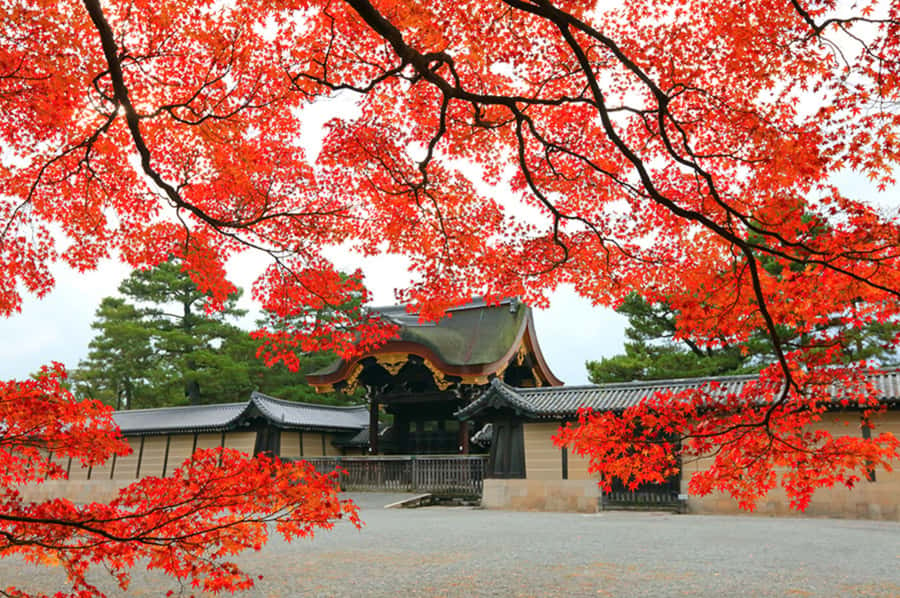
Kyoto isn’t just temples and photos. It’s also flavor: wagashi, street sweets, and the kind of meal stop that makes a day feel finished. This tour intentionally builds in opportunities for food guidance, even though food and drinks aren’t included.
From what you can expect, the day often includes:
- A stop at a sweets shop where you can try wagashi and learn what you’re looking at
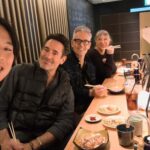
- A ramen stop that’s chosen as a fun, practical break
- Time for local snacks and bites that you might skip if you’re traveling without help
This is a smart way to handle Kyoto food. If you try to research everything on your own, you can end up eating what’s easiest to find near major sights. A local guide helps you aim for places that match the moment—quiet enough to enjoy, close enough to keep your ride smooth, and relevant to what you’ve been seeing on the street.
Important practical point: since food isn’t included, you’ll want some budget flexibility. Bring cash, since the tour info specifically recommends it, and plan to snack along the way. The “guided eats” element is part of the value, not a replacement for bringing money for yourself.

Wagashi shops and local life: why small businesses beat big lists
One of the best reasons to take this kind of tour is the way it nudges you toward everyday Kyoto. It’s designed for off-the-beaten-path interests like pottery shops and family-run izakayas—things you might not stumble into quickly on your own.
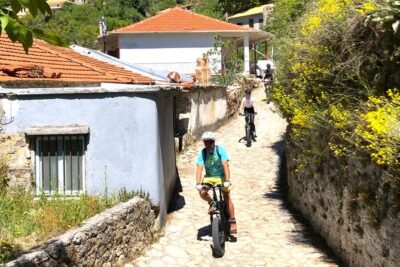
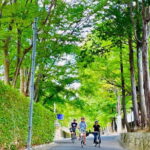
The day includes time to observe local life from a different angle. On a bike, you see storefronts, side alleys, and sidewalk scenes you wouldn’t notice if you were stuck in pedestrian crowds or on a bus window. That perspective makes Kyoto feel lived-in, not staged.
You’ll also get a push toward charming wagashi stops and small eateries rather than only the “famous” names. Even if you don’t buy much, just seeing the shopfronts, the packaging, and the rhythm inside changes how you experience Kyoto food culture.
If you’re traveling with someone who’s more into shopping than shrines, this format still works. There’s room to satisfy that curiosity without sacrificing the temple and neighborhood moments that make the city special.
Guides who tailor the day: Yonnie, Paulina, Takuma, and Kiyoto
A tour is only as good as the person running it, and the guides here earn repeat praise for a few clear reasons: they’re friendly, they answer questions well, and they adapt.
You’ll hear names like Yonnie, Paulina, Takuma, and Kiyoto. What ties them together is the way they shape the ride around real people. Schedules can be shared ahead of time, with space to adjust. During the tour, the guide can fine-tune the pace and emphasis so the day fits your group’s energy.
Another detail worth noting: many guides take photos along the way, and in some cases you may even get a short video clip afterwards. That’s not just a nice extra. It’s also practical—you’ll come away with memories that are easier to revisit than blurry selfies from a moving bike.
If you care about authenticity, focus on what your guide does when you ask questions. The best sign is not how many facts they recite. It’s whether they connect the place you’re standing in to something you can actually understand—customs, language hints, and why the route makes sense.
Value check: is $94 per person a smart spend?
Let’s talk straight value. The listed price is $94 per person, and what you get includes the e-bike rental, a helmet option (limited), and the guide. Food, entrance fees, and meal costs are not included.
So is it worth it?
- Yes, if you want the guide’s help picking practical stops and translating what you see into context.
- Yes, if you want to cover a lot of Kyoto in one day without burning out.
- Yes, if you like the idea of pairing temples with street-level food and local shops.
It may not be the best fit if you already plan to bike around Kyoto completely on your own and you don’t care about guidance or food recommendations. Without the guide, you lose the main “why this route works” part.
The smart way to think about it: you’re paying for time efficiency and clarity. Kyoto is dense. Having someone point your attention in the right direction saves you from guessing, backtracking, and spending extra time figuring things out.
What to pack and how to handle rain or shine
Kyoto weather can be unpredictable, and this tour runs rain or shine. That means you’ll want weather-appropriate clothing and rain gear. Comfortable clothes and shoes matter more than you’d think. You’ll stop and walk a bit at temples and shops, even if most movement is by e-bike.
Here’s what I’d bring:
- Comfortable shoes (you’ll be on foot during stops)
- Weather-ready clothing (especially rain protection)
- Cash (explicitly recommended)
- A plan for layering, since it can feel different between sun and shade
One helpful option: in severe weather, the tour can be changed from a bike tour to a walking tour. That’s a comfort factor if you’re worried about riding conditions. Still, the key is to show up ready. This isn’t a sit-in-warm-vehicle kind of day.
Also note the activity requirements. You must be able to ride a bicycle, and the tour isn’t suitable for people with mobility impairments or wheelchair users.
Who should book this Kyoto e-bike tour (and who should skip it)
This tour is a strong match for:
- First-timers who want an organized way to hit Kyoto highlights without feeling stuck in crowds
- Repeat Kyoto visitors who want calmer side streets, temples, and shops that feel more personal
- Food-minded travelers who want wagashi and local bites suggested by someone who knows the city
- Anyone who wants a guided day but still likes the freedom of moving under their own momentum
You might skip it if:
- You don’t feel confident riding a bicycle
- You want a fully self-guided day with no structure or conversation
- You need wheelchair accessibility or specialized mobility support (it isn’t set up for that)
If you’re on the fence, think about how you like to travel. If you enjoy asking questions, noticing details, and getting help turning sights into stories, this format usually delivers.
Should you book Kyoto Tailored E-Bike Tour to Highlights & Hidden Gems?
I’d book this tour if your goal is to see Kyoto with less stress and more meaning. The $94 price makes sense because the guide + e-bike combo saves you effort and adds local context you won’t get from a map alone. Add in the chance for peaceful temples, Gion riding, and stops for wagashi and local bites, and the day feels complete.
I’d hesitate only if biking isn’t your thing or if you want food and entrances fully handled for you. Since food isn’t included, budget a bit for snacks and meals. And if weather is a concern, pack rain gear like it’s part of the itinerary—because it basically is.
FAQ
What is included in the Kyoto e-bike tour?
The tour includes the e-bike rental, a helmet (not required by law, and limited availability), and a guide.
Is food or drinks included?
No. Food and drinks aren’t included in the tour price.
Are entrance fees included?
No. Entrance fees aren’t included.
Do I need to bring a helmet?
A helmet isn’t required by law, but it’s provided if available in limited supply. If you already have a helmet, you can also bring your own for peace of mind.
What should I bring for the tour?
Bring comfortable shoes, comfortable clothes, cash, and weather-appropriate clothing. Since the tour runs rain or shine, also pack rain gear.
What happens if it rains?
The tour runs rain or shine. In severe weather, it’s possible to change the bike tour to a walking tour, and you’ll be notified by the day before in serious conditions.
What languages are available?
The guide can run the tour in English and Japanese.
Is this tour suitable for wheelchair users?
No. It’s not suitable for wheelchair users or people with mobility impairments.