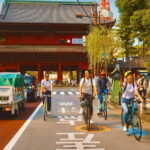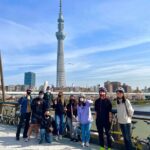
Tokyo looks different at bike speed. This 3-hour Tokyo e-bike tour trades slow walking and jumpy transit for smooth city cruising, and you get an English-speaking guide who explains what you’re seeing. Two things I really like: the e-assist makes it practical for most people, and the route hits both famous landmarks and calmer, lesser-known stops that you would miss on your own. The main drawback to plan for is that parts of the ride mix in with real Tokyo traffic and shared footpaths, so you need situational awareness and bike confidence.
Pick your option and the experience changes a lot. The City Route leans into Tokyo Station and the Imperial Palace area plus a Japanese garden and a shrine stop. The Tokyo Bay Route is all about wide, flat roads, bridges, and that sunset-to-night view from Odaiba—while the Tokyo Tower Route mixes classic temples with modern city views and parks.
In This Review
- Key Highlights That Make This Tour Worth It
- Why a 3-Hour Guided E-Bike Tour Beats Walking and Transit
- Three Routes to Choose From: City Sights, Tokyo Bay Sunset, or Tokyo Tower Views
- City Route: Tokyo Station to Imperial Palace area, then a garden and shrine
- Tokyo Bay Route: Bridges, Odaiba, and serious skyline payoff
- Tokyo Tower Route: Temples and parks with the modern skyline in the mix
- Meeting Point, Gear, and First-Minute Confidence
- The Ride Experience: Easy E-Assist, Real Streets, and Safety Smarts
- Route Stops That Actually Matter: Tokyo Station, Imperial Palace Area, Gardens, Shrines
- Tokyo Station and Nihonbashi: big-city Japan without the crowds of transit hopping
- Imperial Palace area: structure and scale you feel from street level
- Kiyosumi Japanese Garden: the mental reset stop
- Tomioka Hachimangu Shrine and other temple moments
- Snacks and Local Culture: More Than a Token Bite
- Price and Value: Is $65 Worth It?
- Who This E-Bike Tour Fits Best (and Who Should Skip It)
- Practical Tips So You Don’t Feel Rushed
- Should You Book This Tokyo E-Bike Tour?
- FAQ
- FAQ
- How long is the Tokyo e-bike tour?
- What’s included with the tour price?
- Are there different routes in Tokyo?
- Where are the main stops on the City Route?
- What’s special about the Tokyo Bay Route?
- Who can ride the e-bike?
- What happens if it rains?
Key Highlights That Make This Tour Worth It
- E-assist bike comfort for 3 hours: you get help on hills and quick starts, so you’re exploring, not grinding gears
- Your guide does the heavy lifting: routes, explanations, and photo moments handled by guides like Hiro and Shinobu
- Three route styles: classic sights, bayside scenery, or Tokyo Tower area contrasts
- Garden and shrine time: you stop to walk, not just ride past everything
- Included snack breaks: a traditional snack is part of the tour, with extra local treats on some routes
- Luggage storage and gloves in winter: small logistics details that make the ride smoother
Why a 3-Hour Guided E-Bike Tour Beats Walking and Transit
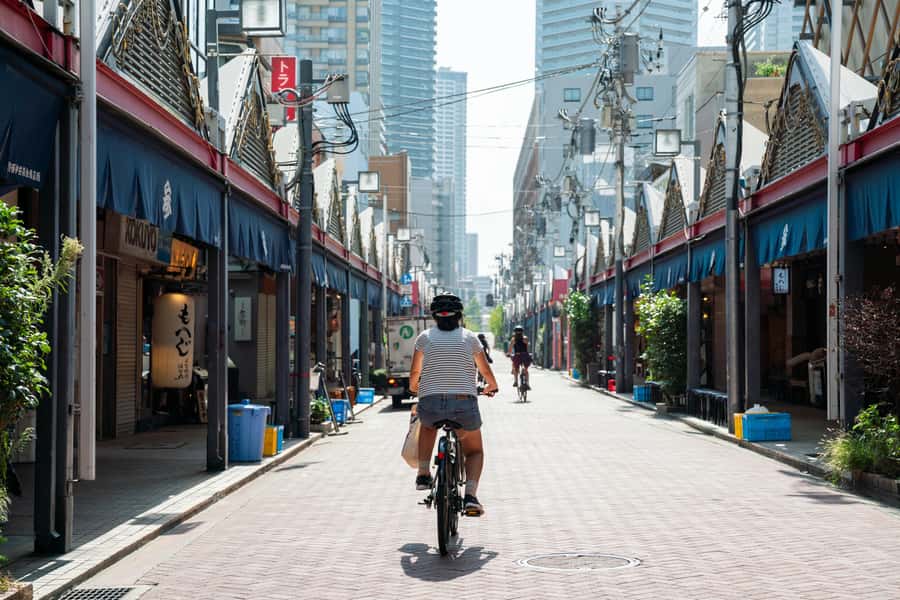
Tokyo is enormous, and if you rely only on walking, you end up seeing a small slice. If you rely only on trains and buses, you miss the street-level rhythm: tiny storefronts, sudden alleys, and the way neighborhoods feel at different hours.
This tour solves that by combining bike freedom with guided planning. You cover ground fast, but you still slow down at the right places—especially when the route includes a Japanese garden or a shrine where a short walk actually adds meaning.
You can also read our reviews of more tours and experiences in Tokyo.


Three Routes to Choose From: City Sights, Tokyo Bay Sunset, or Tokyo Tower Views
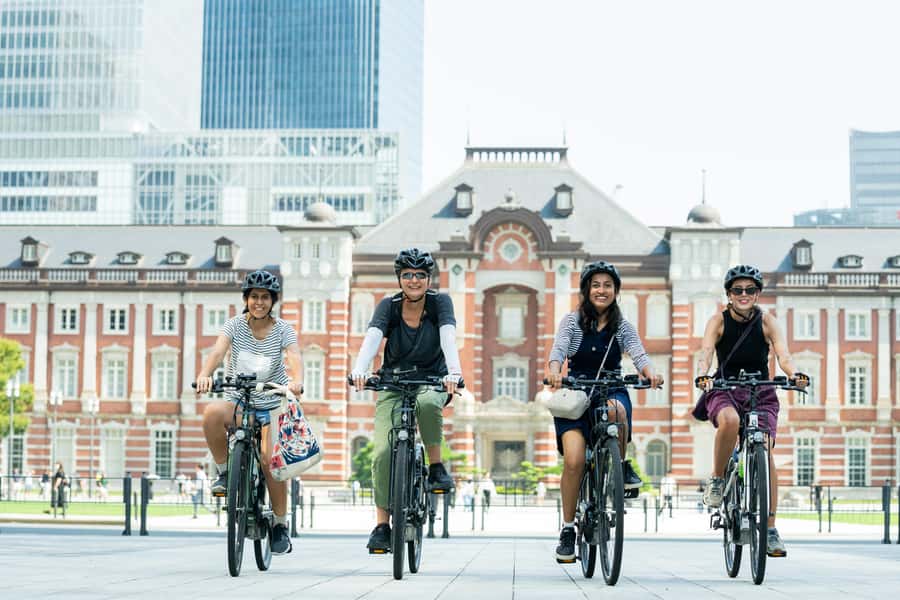
The biggest decision is the route option you book. Each one has its own vibe, and it changes the feel of the ride more than you’d expect.
City Route: Tokyo Station to Imperial Palace area, then a garden and shrine
This is the option if you want a mix of major landmarks and calmer culture stops. You start in the broader area near the Tokyo fish market neighborhood, then roll through the Ginza district and Imperial Palace area as passes. From there, you reach Tokyo Station and Nihonbashi (also pass-by), which is a nice way to connect history and the modern city without spending the entire day just crossing stations.
The most meaningful parts are the stops where you actually slow down. You’ll grab a Japanese traditional snack, then head to Kiyosumi Japanese Garden for time on foot, and finish with Tomioka Hachimangu Shrine. The garden stop is the kind of break that resets your eyes from city geometry, and the shrine adds that lived-in spiritual atmosphere right inside Tokyo.
A small consideration: because several highlights are pass-by, you may want to use photo stops strategically rather than trying to take everything in at speed.
Tokyo Bay Route: Bridges, Odaiba, and serious skyline payoff
If you like scenery, this is the route. The bay area is flatter and wider, which makes cycling feel more relaxed even with traffic nearby. Your itinerary focuses on moving from Sumiyoshi Shrine through a sequence of sights, including Tsukuda Tendai temple (described as a hidden temple stop), a TeamLab Tokyo pass, and Tokyo Big Sight pass-by.
You also get the fun visual anchors—Gundam Statue and Statue of Liberty in Odaiba—plus an included snack stop at Odaiba Aqua City. Then comes the big finish: Rainbow Bridge pass-by, where you’ll really feel the transition from day Tokyo to night Tokyo.
Timing matters here. The tour’s Odaiba start time can shift depending on the month, and that affects when you hit the sunset and night views. If your goal is skyline photos, choose the route timing that matches your plan for sunset.
Tokyo Tower Route: Temples and parks with the modern skyline in the mix
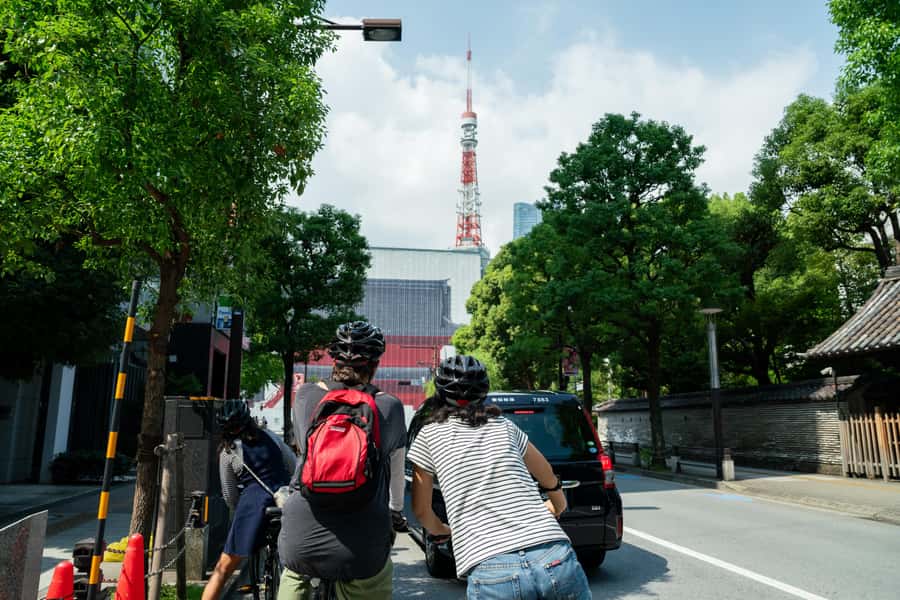
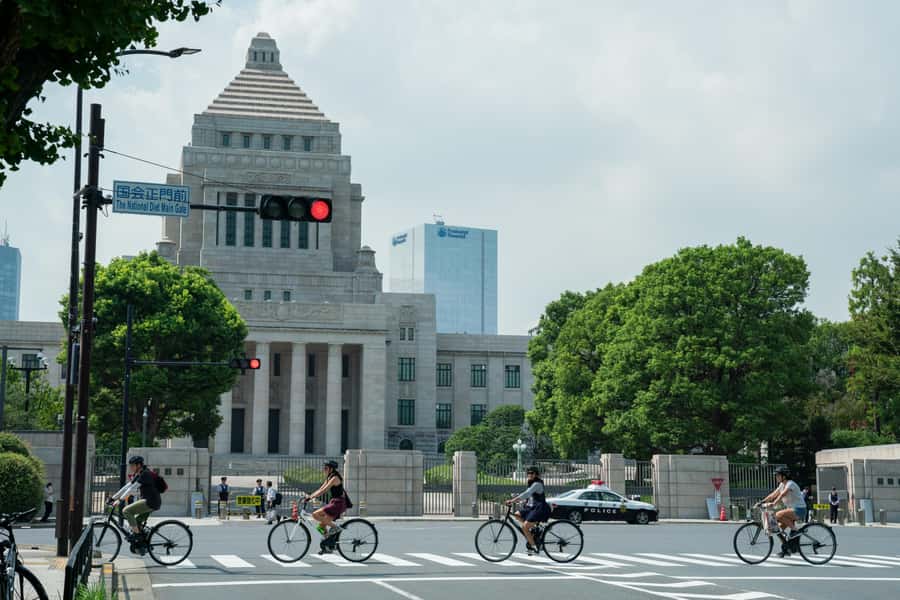
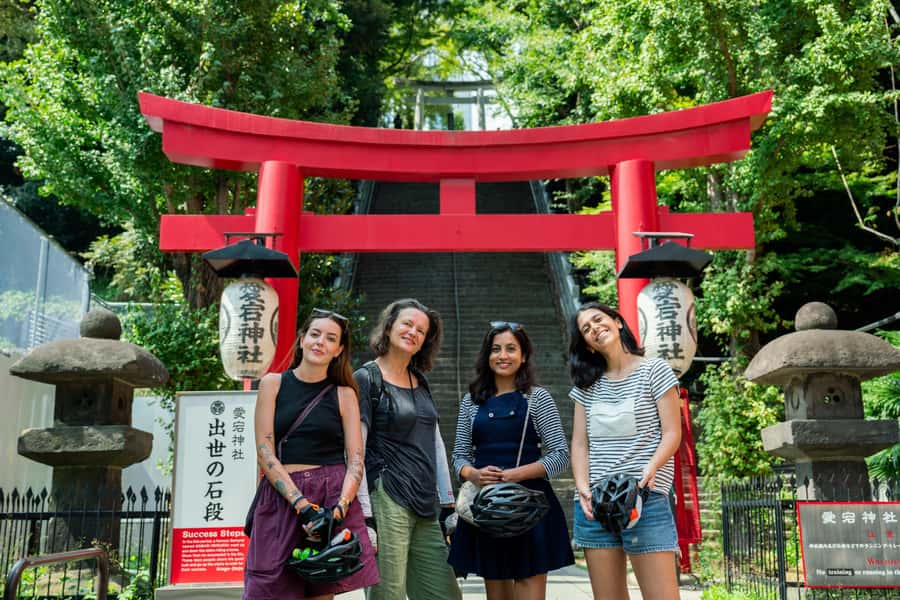
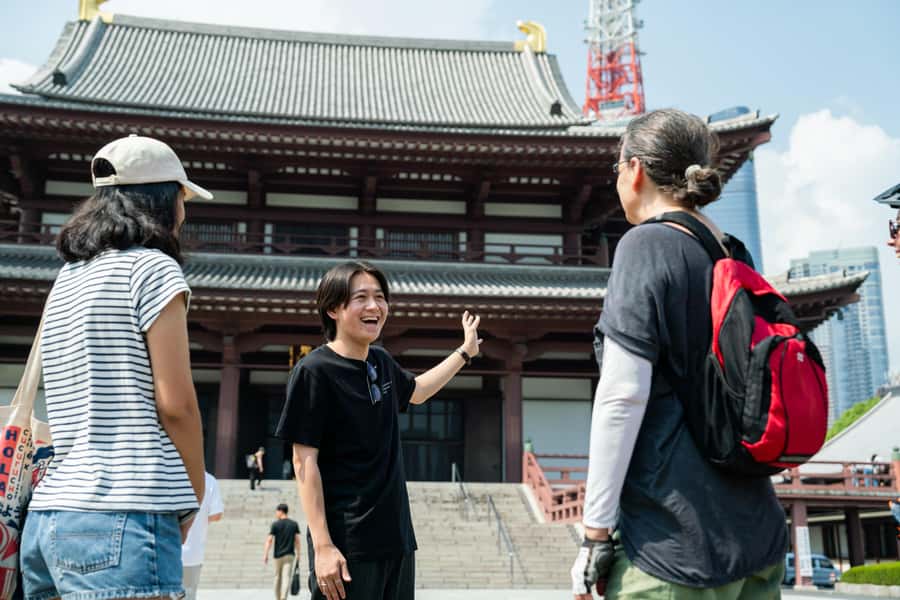
This one works well if you want Tokyo’s contrast on wheels. It starts around Zojo-ji temple, then you get Tokyo Tower with a designated photo spot. After that, you’ll ride through areas including Atago Shrine, then stop for a traditional snack and a look at the National Diet Building (pass-by).
The tour also loops by Imperial Palace and ends with Hibiya Park. That park finish is a smart choice: it gives you a green, calmer ending without requiring a long detour. The e-bike assist is especially helpful here since the route mentions exploring a hilly area; in practice, the assist is what keeps the ride from turning into a fitness test.




Meeting Point, Gear, and First-Minute Confidence
Plan to arrive 15 minutes early. The group briefing is part of the experience, and it’s where you learn how to handle the bike and what to watch for in Tokyo street conditions.
You’ll get the basics you need to stay comfortable and safe: helmet, gloves for winter season, and an e-bike rental. The tour also provides a knapsack (if needed), plus luggage storage so you’re not juggling bags while you ride.
Once you’re on the bike, the learning curve is usually fast. Many riders start with the feeling that a bike plus traffic might be intense, then quickly relax as the e-assist takes the edge off starts and slopes.
The Ride Experience: Easy E-Assist, Real Streets, and Safety Smarts
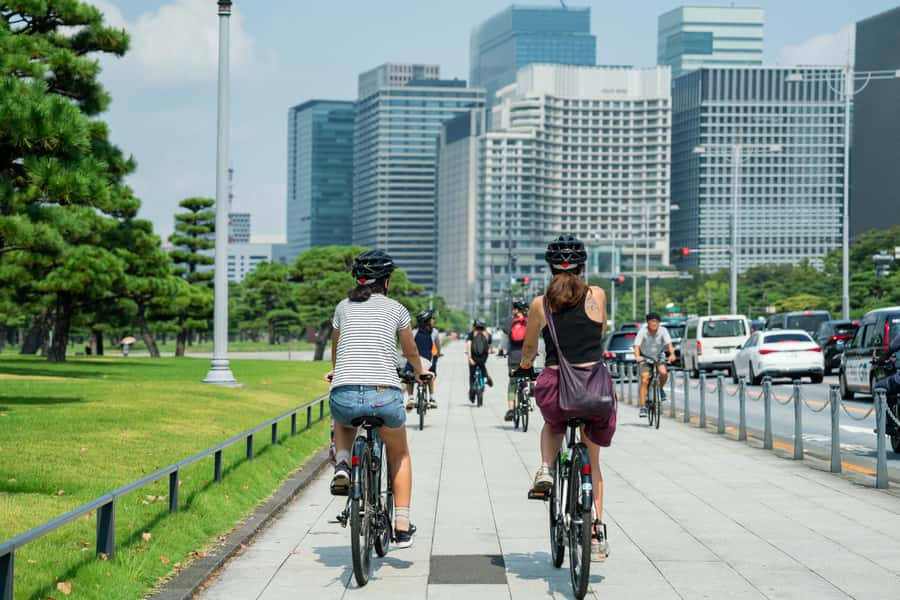
This is not a quiet cycling-only path tour. You’re riding through normal Tokyo streets and around pedestrian areas. That’s part of the authenticity, and it’s why the guide matters so much.
The e-bike itself is the big equalizer. Even riders who expect a struggle often find that the assist keeps the ride comfortable for the full 3 hours. Guides also pace the group, and several guide descriptions emphasize being careful and well organized about safety and navigation.
What you should watch for:
- Shared areas where pedestrians cross or drift into your path
- Close proximity to people and cars in busier zones
- Situations where you’re stopping often enough for photos but still need to keep moving smoothly
One practical tip: ride like you’re driving. Scan ahead, keep your line predictable, and slow down early rather than late.
Route Stops That Actually Matter: Tokyo Station, Imperial Palace Area, Gardens, Shrines
This tour is strong because it balances passing icons with stops that give you time to feel the place.
Tokyo Station and Nihonbashi: big-city Japan without the crowds of transit hopping
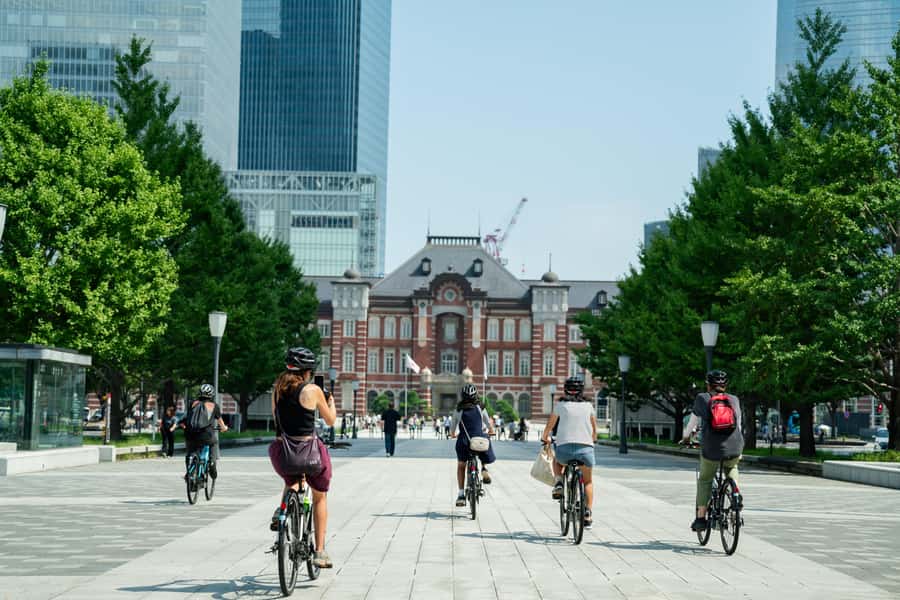
Tokyo Station and Nihonbashi are pass-by highlights, which can be a good thing. You get the visual and historical vibe quickly, then you transition into areas where you can breathe—like snack stops, gardens, and shrines.
If you’re a first-time visitor, this helps you build a mental map. You see how central Tokyo is stitched together rather than just popping into one station area.
Imperial Palace area: structure and scale you feel from street level
The Imperial Palace is also pass-by. From an e-bike, you get a street-level sense of distance and layout that you don’t get from a bus window.
It’s a useful contrast stop. You’ll look at something iconic, then keep rolling toward calmer, more human-scale places.
Kiyosumi Japanese Garden: the mental reset stop
The garden is one of the most praised parts of the tour. It’s the moment when your eyes stop reading signage and start reading trees, water, and pathways. It’s also a chance to step off the bike and move at walking speed.
Many guides include a short walk period here, which is exactly what you want on a bike tour: a genuine pause.
Tomioka Hachimangu Shrine and other temple moments
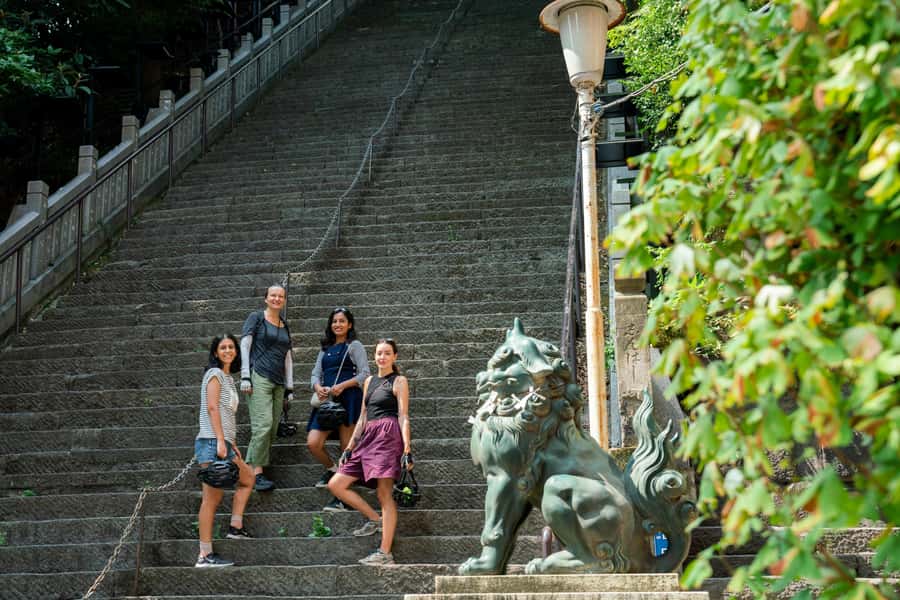
The shrine finish on the City Route, plus the temple stops on other routes, adds context that a pure city ride can’t. You get to see religious architecture up close and experience the quieter energy that often shows up near sacred spaces.
Snacks and Local Culture: More Than a Token Bite
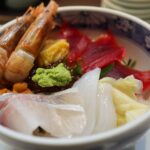
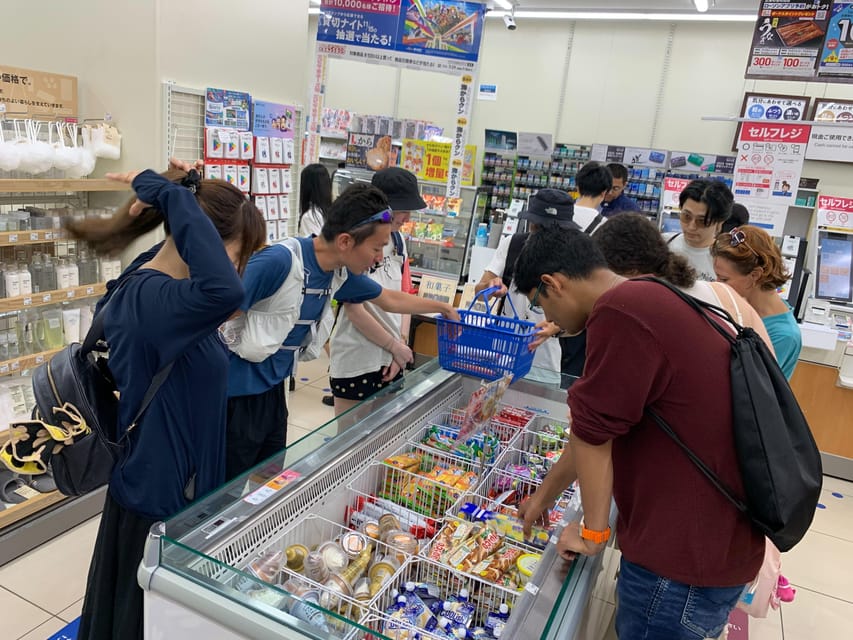
Food stops are baked into the tour, and they aren’t random. You’ll get a traditional Japanese snack as part of the included experience, often positioned around a natural break in the ride.
On the bay-style route, the Odaiba Aqua City snack stop is specifically mentioned, and some guides also arrange additional local snack moments along the way. It’s a small thing, but it breaks up the ride and gives you something to look forward to.
Even better, guides often share customs and small facts tied to each stop. Names that come up in the ride experience include guides like Hiro, Yugo, Miki, Shinobu, Yota, and Narita, and the consistent theme is storytelling that makes the locations click.
Price and Value: Is $65 Worth It?
At $65 per person, you’re paying for three things you can’t easily recreate solo:
- E-bike rental (with helmet and winter gloves when applicable)
- A guide who handles route planning and interpretation in English
- Included snack(s) and structured stops like a garden and shrine where time matters
If you try to do this on your own, you’d spend time figuring out bike logistics, safe routes, parking, and where to stop for meaningful walks. A traditional walking tour would struggle to cover as much ground in 3 hours, and a bus tour can’t deliver that up-close street view.
This tour hits a sweet spot: you get guided interpretation with the speed of wheels.
Who This E-Bike Tour Fits Best (and Who Should Skip It)
This is a great match if:
- You want an efficient way to see multiple neighborhoods in a short time
- You like a mix of famous Tokyo icons and calmer stops
- You’re comfortable riding a bike at least moderately, even if traffic makes you a little nervous at first
- You want guidance in English without turning the day into a museum crawl
It may not be the right fit if:
- You’re under 13 (children are not permitted)
- You’re under 145 cm or over 120 kg (the ride has height and weight limits)
- You’re pregnant, have heart problems, or use a wheelchair (not suitable based on the tour rules)
- You dislike any shared pedestrian spaces or situations where you must anticipate other movement
If you’re unsure about your comfort level, aim for route options that match your energy—City Route for culture and gardens, Bay Route for easier riding along wider areas and views.
Practical Tips So You Don’t Feel Rushed
A few small moves make a big difference:
- Arrive early so you’re not stressed during the briefing
- Wear clothes and footwear you can walk in, since the garden and shrine stops include time on foot
- Bring patience for shared paths—Tokyo foot traffic is dense, and it’s part of the reality here
- If you want skyline photos, choose the timing that lines up with your preferred sunset window on the Bay Route
Also, treat the guide’s directions like a script. Being a steady rider helps the group, and it keeps the experience safer and smoother.
Should You Book This Tokyo E-Bike Tour?
Book it if you want a guided, efficient Tokyo day that still feels human and street-level. The e-assist bike makes the 3-hour format realistic, and the garden + shrine stops add real texture beyond pass-by landmarks.
Skip it if you know you’re uncomfortable with mixed traffic or shared pedestrian areas. In that case, Tokyo can be a little too busy to feel relaxed on two wheels.
If you match the vibe—curious, on time, and ready to ride with awareness—this tour is a strong way to see Tokyo’s icons and its quieter corners in the same afternoon or evening.
FAQ
FAQ
How long is the Tokyo e-bike tour?
It runs for about 3 hours.
What’s included with the tour price?
You get an e-bike rental, an English-speaking guide, a helmet, a snack, and luggage storage. A knapsack is provided if you need it, and gloves are included for the winter season.
Are there different routes in Tokyo?
Yes. You choose among the City Route, Tokyo Bay Route, and Tokyo Tower Route, and the itinerary changes by option.
Where are the main stops on the City Route?
The City Route includes passes such as Ginza district, Imperial Palace, Tokyo Station, and Nihonbashi, plus stops for a traditional Japanese snack, Kiyosumi Japanese Garden, and Tomioka Hachimangu Shrine.
What’s special about the Tokyo Bay Route?
It focuses on Odaiba and the bay area, including bridges and scenic views, with stops like Gundam Statue and the Statue of Liberty in Odaiba, plus a snack stop at Odaiba Aqua City. The Odaiba starting time can vary by month.
Who can ride the e-bike?
Children under 13 are not permitted, and the tour is not suitable for participants under 147 cm or over 120 kg. It’s also not suitable for wheelchair users, pregnant women, or people with heart problems.
What happens if it rains?
If the tour cannot be held due to rain or other reasons, the operator will email you on the day before. If weather changes on the tour day, they may cancel for safety and notify you by email.