REVIEW · TOKYO
Tokyo: 3h Private E-bike Tours, Starting at Your Hotel
Book on GetYourGuide →Operated by Tokyo Bike Bliss · Bookable on GetYourGuide
Tokyo by bike cuts through the noise fast. This private 3-hour e-bike tour starts and ends at your hotel, rolling from skyscraper views to quieter alleyways with a live guide who helps you read the city. You’ll get that breeze-in-your-face feeling while learning how Japanese neighborhoods actually work.
What I like most is the door-to-door setup. No fighting with train maps or trying to explain an address in Japanese after you’re already tired—pickup is in your lobby, and you finish back at your hotel. The second big win is the e-bike motor assist, which makes longer stretches feel manageable even if you hit a few Tokyo hills.
One consideration: this ride isn’t for everyone’s body type or footwear. The operator notes it’s ideal for heights 145cm–185cm and not good for people over 100kg, plus you’ll want to skip sandals, flip-flops, skirts, and high heels.
In This Review
- Key things to know before you book
- Hotel Pickup Means You Start Without Tokyo Stress
- E-Bikes Make a 3-Hour Tour Feel Effortless
- A Route That Mixes Big Tokyo and Back-Street Tokyo
- Tokyo Metropolitan Government Office Views
- Shinjuku and Memory Lane (Omoide Yokocho)
- Hatonomori Hachiman Shrine
- National Stadium (Tokyo Olympics Venue)
- Gaien Ginkgo Tree Avenue
- Aoyama Cemetery Cherry Blossom Street
- Shibuya Crossing and Surrounding Streets
- Hibiya Park
- Imperial Palace Area
- Tokyo Station and Nihonbashi Bridge
- Tsukuda Island and Tsukishima Monja Street
- Zojo-ji Temple and Tokyo Tower
- Asakusa Kaminarimon Gate
- Kitasenju, Arakawa Riverside, Sumidagawa Riverside, and Tokyo Skytree
- What’s Included (And Why It Matters for Value)
- Pace, Stops, and the Real Joy of a Private Tour
- Small Rules That Keep the Ride Comfortable
- Who This Tour Fits Best
- Booking Checklist: What to Ask Before You Go
- Should You Book This Private E-Bike Tour?
- FAQ
- How long is the Tokyo private e-bike tour?
- Does the tour start and end at my hotel?
- Is the tour private?
- What is included in the price?
- Is food or drinks included?
- What languages does the guide speak?
- Are photo or video recordings allowed during the ride?
- What clothing or footwear is not allowed?
- Is the tour suitable for children?
Key things to know before you book
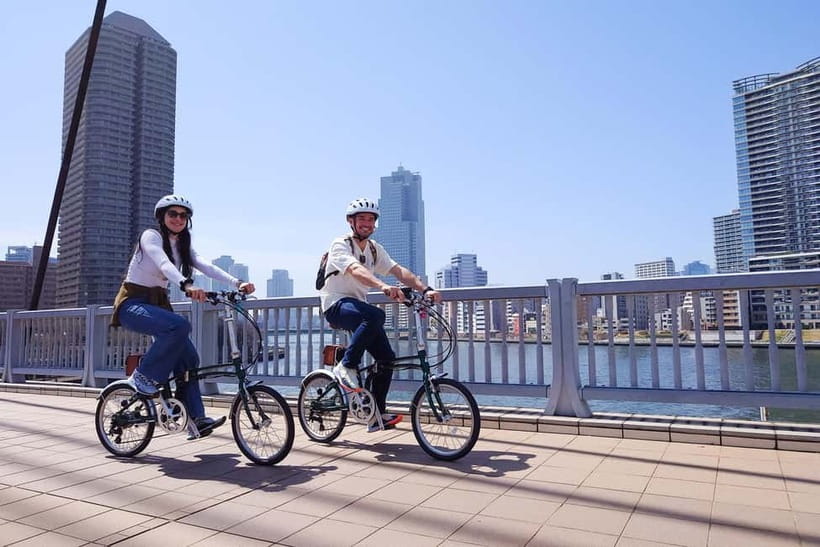
- Hotel pickup and hotel drop-off: your only job is showing up on time in the lobby.
- Private, customizable routing: your pace and stop choices can change.
- E-bike assist does the heavy lifting: pedaling feels easier than a regular bike.
- A mix of landmarks and side streets: big sights plus small, lived-in neighborhoods.
- Safety rules are real: helmet, instruction, and restrictions keep the ride comfortable.
- Photo/video while cycling isn’t allowed: you’ll take photos during stops instead.
Hotel Pickup Means You Start Without Tokyo Stress
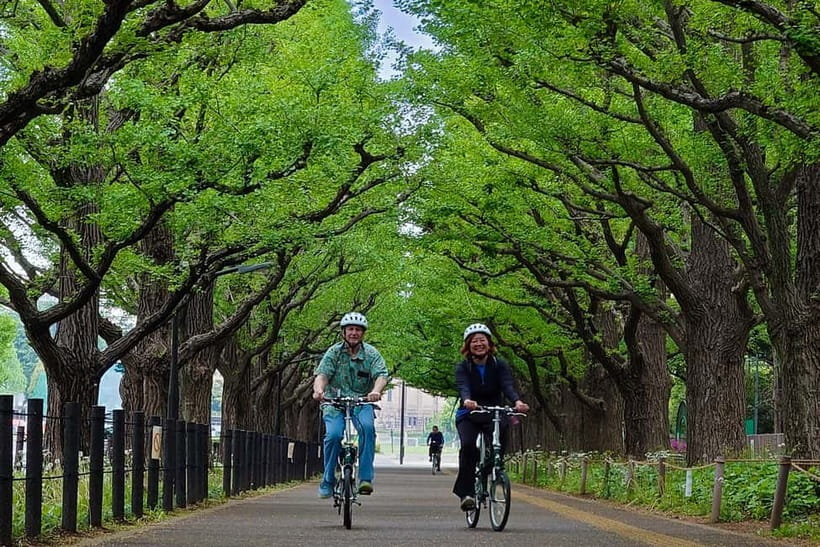
A lot of Tokyo sightseeing fails in the first 15 minutes. You either meet at a far-off point and lose time in transit, or you try to coordinate with your own group while your energy drains.
Here, I like how the tour is built around your hotel. Pickup happens in your lobby, where you’ll be met with a bike helmet. The guide then adjusts the bike to fit you, which matters more than people think in a city full of turns, curbs, and quick stops. When the tour ends, you’re not scrambling for your “next transport plan.” You’re simply dropped back where you started.
If your hotel sits outside the operator’s coverage range, you can still make it work by discussing a starting point. The tour data says additional charges may apply, so it’s worth asking early rather than assuming.
You can also read our reviews of more tours and experiences in Tokyo.

E-Bikes Make a 3-Hour Tour Feel Effortless
This is not a power-scooter experience where you press a button and do nothing. The whole point is pedal assistance: the motor supports you when you pedal, so you still move under your own control. That changes the entire experience in Tokyo because you can spend your energy looking around instead of grinding up hills or getting stuck slowing down at every rise.
The tour is described as covering about 15–20 km over roughly 3 hours, with multiple short stops. In practice, that stop rhythm is key. You get time to absorb what you’re seeing, ask questions, and re-center before the next stretch of riding.
You also get a helmet and safety instruction, plus insurance is included. The restrictions help too: no smoking, no alcohol or drugs, and no alcohol drinks in the vehicle. That keeps the ride focused and makes it easier for a guide to manage traffic safely.
A Route That Mixes Big Tokyo and Back-Street Tokyo
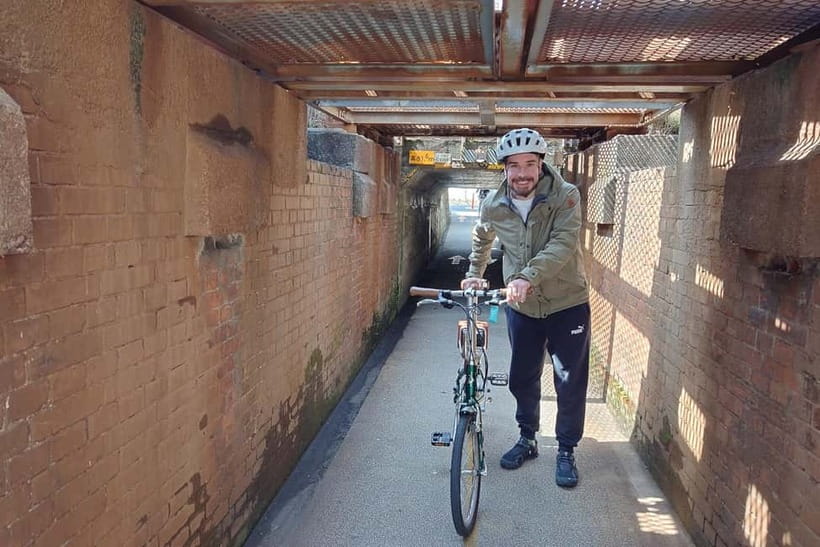
The tour promises a range from skyscrapers to back streets. That’s a big deal because Tokyo can feel like two different cities depending on where you walk. The glossy views teach scale. The side streets teach texture—small shrines, tiny food lanes, and neighborhood patterns you’d miss if you only followed the most obvious lines.
Routes are tailored to your taste, so you won’t get one rigid checklist. Still, you’ll likely see a blend of iconic sights and local texture points from the following areas.
Tokyo Metropolitan Government Office Views
If your route includes this area, you get a classic “Tokyo is enormous” perspective. Even without going inside, the viewpoints in this part of the city help you understand how neighborhoods stack and spread. The likely upside: quick context for future days—now you know what direction feels distant versus close.
Shinjuku and Memory Lane (Omoide Yokocho)
Memory Lane is the kind of place where Tokyo’s smaller life shows up fast. If your guide takes you there, you’ll see a compact network of narrow lanes and cozy atmosphere. It’s a stop that works especially well early in your visit, because it teaches you how to slow down and read a neighborhood.
The trade-off is crowding risk in central zones. Your guide can usually manage pacing better than a solo walker, but you should still expect tighter movement around popular alleys.


Hatonomori Hachiman Shrine
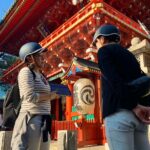
Shrines are everywhere in Tokyo, but the way the city treats them changes by district. A stop like Hatonomori Hachiman Shrine can feel like a pocket of calm inside the urban grid. It also gives you something practical to look for on later walks: how gates, paths, and small structures reveal local customs.
National Stadium (Tokyo Olympics Venue)
This is where the city’s modern scale shows up. It can be a good contrast point after older or quieter areas. The “why it’s useful” part: it gives you an anchor for Tokyo’s newer story, so you can map what you see next in your own mind.
Gaien Ginkgo Tree Avenue
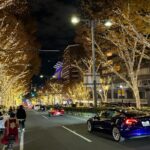
Tree-lined avenues can sound generic until you ride along and feel how straight segments shape your perception of distance. A ginkgo avenue stop can give you an easy, photo-friendly rhythm and a sense of designed space in Tokyo’s city plan.
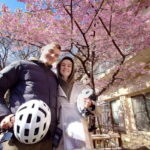
Aoyama Cemetery Cherry Blossom Street
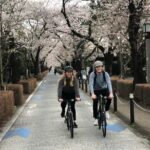
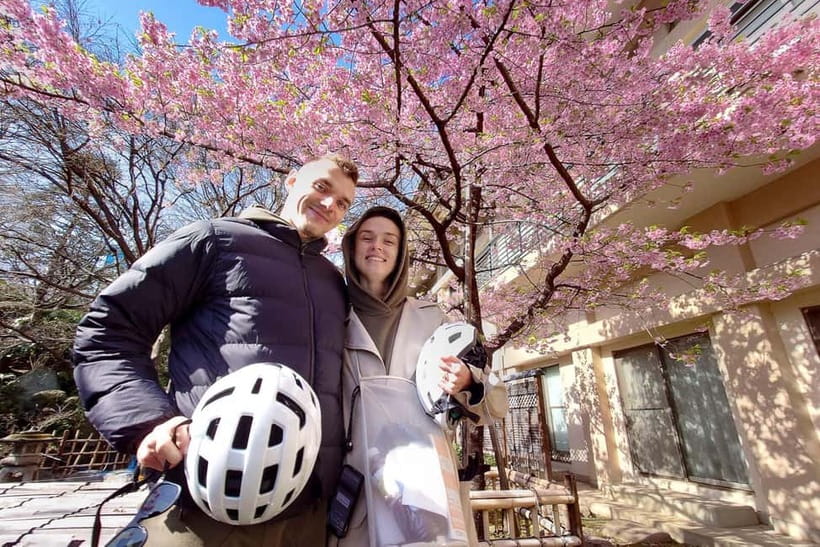
This is a more specific kind of stop: it hints at how Tokyo treats seasonal beauty and calm spaces. Even if you’re not visiting during peak bloom, a guide choosing this kind of route usually means you’ll get a calmer, more reflective segment to balance the street energy.
Shibuya Crossing and Surrounding Streets
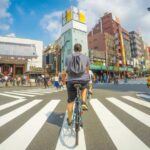
Shibuya is the “Tokyo traffic meets pop culture” area. If your route includes Shibuya Crossing, it helps to see it from a guided perspective where you understand what you’re looking at, not just what you’re photographing. You also get timing help—how to approach an intersection without feeling like you’re being swallowed.
The only drawback here is sheer busyness. A private e-bike tour doesn’t remove crowds, but it does reduce how long you sit in them because your guide can plan shorter, smarter stops.
Hibiya Park
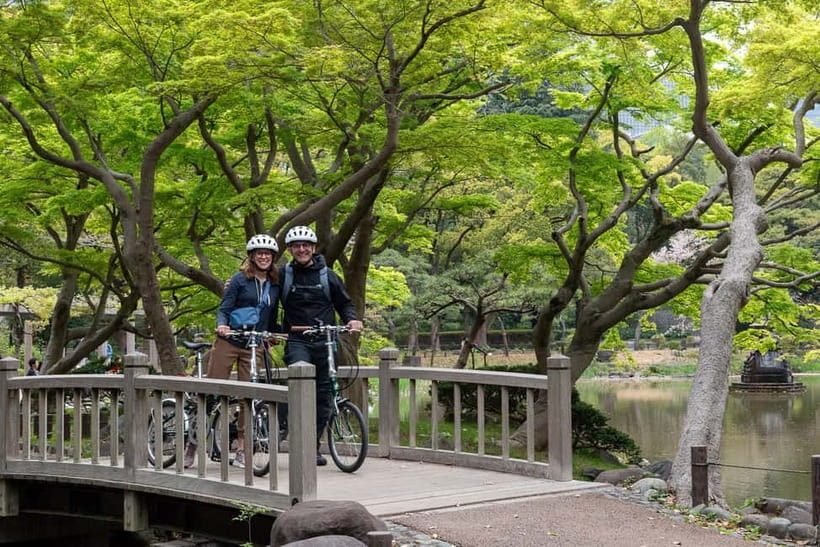
Parks are your reset button. If Hibiya Park makes your route, you’ll feel the contrast between formal city blocks and more breathable space. It’s a good place for conversation because you can hear yourself think for a minute.
Imperial Palace Area
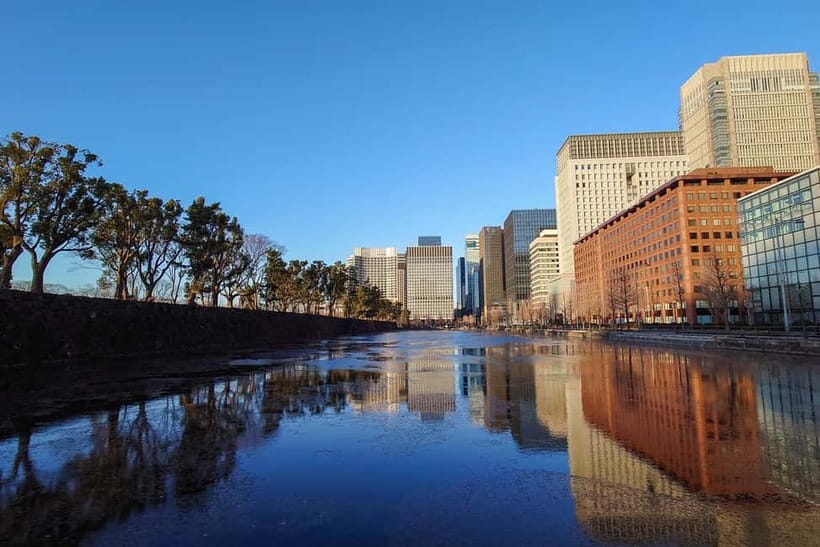
This stop often helps you connect Tokyo’s present to its long-standing layout. The palace area is less about “thrill factor” and more about understanding how open space and walls shape movement. Even a brief pass can help you orient yourself for future wandering.
Tokyo Station and Nihonbashi Bridge
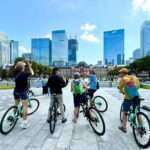
Tokyo Station and Nihonbashi Bridge are anchors for classic Japan-city logic. Stations can feel like chaos if you rush in. In a guided format, it’s easier to understand where people flow and why certain roads and waterways matter. Nihonbashi is also a strong contrast point, because it’s central yet tied to older commercial and bridge culture.
Tsukuda Island and Tsukishima Monja Street
This is where the tour’s “back streets” promise shows up in food-and-neighborhood form. Tsukuda Island can feel more local and slightly different from the office-district vibe. Tsukishima’s Monja Street is known for casual, street-level energy, and it’s the kind of stop that gives you ideas for later meals.
One thing to remember: food isn’t included. But the best guided stops are the ones that give you permission to snack smart on your own schedule afterward.
Zojo-ji Temple and Tokyo Tower
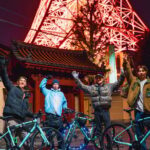
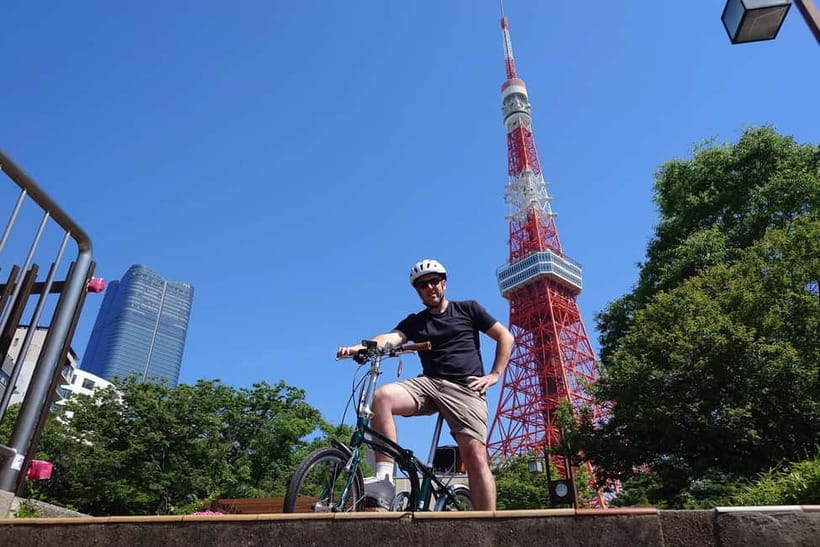
Pairing a major temple area with a landmark like Tokyo Tower makes the ride feel cinematic. Zojo-ji brings in a temple atmosphere; Tokyo Tower adds a clear skyline reference. Together, they help you remember Tokyo as more than neon and signage—you get sacred space and famous structure in one flow.
Asakusa Kaminarimon Gate
Asakusa is a classic Tokyo target for a reason, and a guided ride helps you see it without turning it into a rushed photo line. Kaminarimon Gate is visually strong, but the guide’s value is explaining why that area feels the way it does and how it sits within the wider city.
Kitasenju, Arakawa Riverside, Sumidagawa Riverside, and Tokyo Skytree
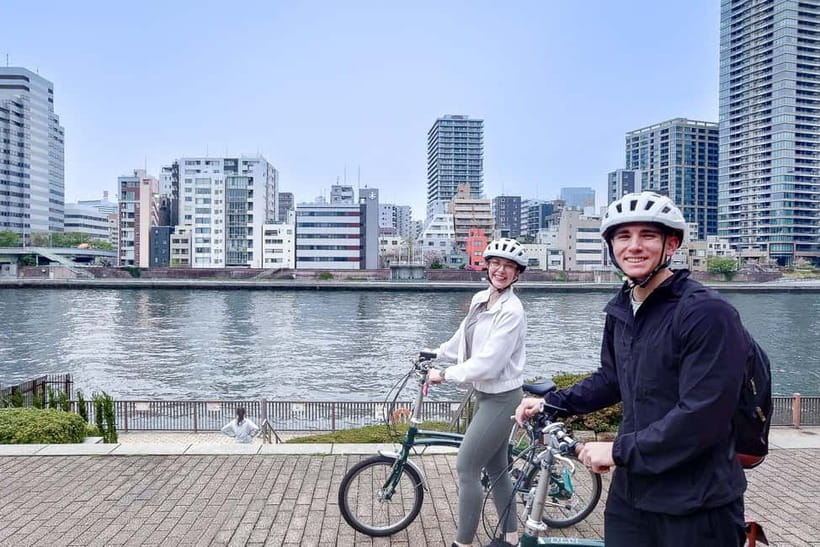
These options shift the focus to everyday neighborhoods and waterways. A riverside stretch can feel especially refreshing because it gives you a visual break from the dense grid. Tokyo Skytree adds a big “finish line” kind of element—great for a tour arc that starts with big views and ends with even bigger ones.
If you’re the type who likes to understand how Tokyo breathes, these segments are gold.
What’s Included (And Why It Matters for Value)
At $154 per person for 3 hours, you’re not just paying for a bike. You’re paying for a private guide, safety setup, insurance, and hotel door-to-door service. You also get the helmet and safety instruction, which is the kind of detail that keeps a fun ride from turning into an awkward scramble.
Included:
- Hotel start (pickup in your lobby)
- E-bike
- Helmet
- Safety instruction
- Insurance
- Live guide (Japanese or English)
Not included:
- Food
- Beverages
That “no food included” part is normal for this style of tour. The practical way to use it: eat before you ride, then treat stops as photo and conversation breaks rather than a meal plan.
The tour data also says it’s free to cancel up to 24 hours in advance, and you can reserve and pay later. If your schedule might shift, that flexibility can make the price feel less risky.
Pace, Stops, and the Real Joy of a Private Tour
A group bike tour can be fine. A private tour is different because you can set your own tempo. This tour is designed for about 3 hours, but it can be customized: route distance and duration can change, and your guide can also handle requests for specific spots.
Just know the trade-off: customization requests beyond the normal setup may come with additional fees. If you want a major detour or a far-away visit, ask early so you understand how that changes the total cost and timing.
This private format also helps with question time. Tokyo is full of small details—sign meanings, shrine etiquette, and neighborhood layouts—that are hard to decode on your own while threading through streets. A good guide makes the whole ride feel easier because you’re not constantly guessing.
Small Rules That Keep the Ride Comfortable
Tokyo riding works best when everyone agrees on basic behavior. This tour comes with clear boundaries, and I’m glad they do.
Not allowed:
- High-heeled shoes
- Sandals or flip-flops
- Smoking
- Alcohol and drugs
- Skirts
- Alcoholic drinks in the vehicle
Also:
- No photo/video shooting while cycling
That last point is practical. It’s much safer to take pictures during stops when the guide can pause and position the group. If you’re the type who lives for photos, plan your best shots for the moments you’re off the bike.
Communication is also handled well: the operator contacts you via WhatsApp/iMessage/SMS. That matters in a city where mobile data, roaming, and meeting point confusion can eat up your time.
Who This Tour Fits Best
This is a strong match for:
- First-time Tokyo visitors who want a fast intro across different neighborhoods
- People who want structure but still like options
- Anyone who can ride a bike comfortably and wants pedal-assist help
- Groups and couples who prefer a private pace
It may be less ideal if:
- You’re outside the recommended height range (about 145cm–185cm)
- You’re over 100kg, since the operator says it’s not good for heavier riders
- You’re traveling with a child under 12
- You require footwear like sandals/flip-flops or want to wear skirts (the tour restrictions apply)
Booking Checklist: What to Ask Before You Go
Before you confirm, I’d do three quick checks so your tour lands exactly how you want.
1) Your hotel details
Ask what happens if your hotel is outside the pickup range, and what additional charges might apply.
2) Your route preferences
If you want more back streets versus more skylines, say that up front. The tour is tailored, and your guide can shape the mix.
3) Any special stop requests
If you’re hoping for a farther-out detour, confirm how that affects cost and timing. The tour data indicates extra fees can apply for requests far away from the original route.
Should You Book This Private E-Bike Tour?
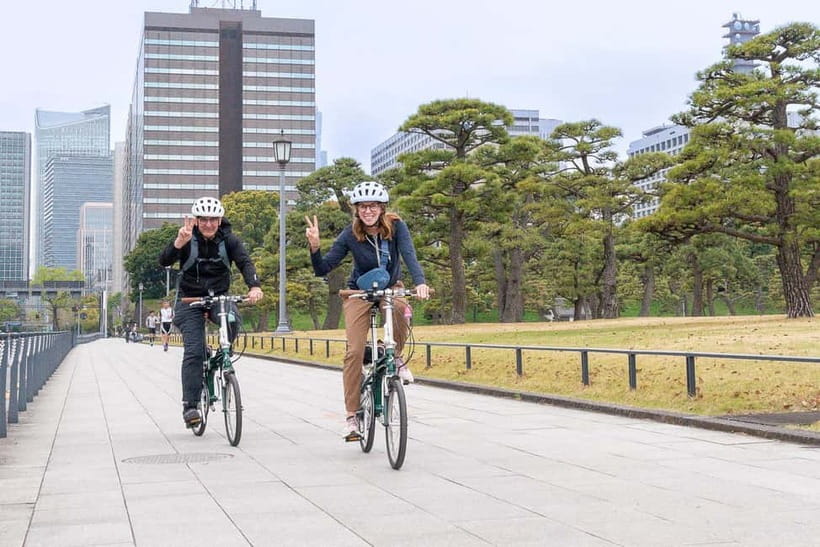
If you want a Tokyo intro that mixes the famous with the local, this is a good bet. The biggest reason is practical: hotel start and hotel end plus a private guide means you spend less energy on logistics and more on actually seeing the city.
I’d book it if you like the idea of riding 15–20 km in a controlled, guided way, with frequent stops to learn and reset. And if you’re concerned about hills or long distances, the pedal-assist e-bike is exactly the point.
Skip it if you’re over the stated weight limit, outside the recommended height range, or you need sandals/flip-flops and skirts. In Tokyo, comfort is half the sightseeing, and the tour’s rules protect that experience.
FAQ
How long is the Tokyo private e-bike tour?
The tour lasts about 3 hours.
Does the tour start and end at my hotel?
Yes. Pickup and drop-off are at your hotel. If your hotel is outside the range, you can discuss an alternative starting point with additional charges.
Is the tour private?
Yes. It’s a private group tour, so the route and pace can be customized.
What is included in the price?
Included: hotel start, the e-bike, helmet, safety instruction, insurance, and a live guide.
Is food or drinks included?
No. Food and beverages are not included.
What languages does the guide speak?
The live tour guide is available in Japanese and English.
Are photo or video recordings allowed during the ride?
No. The tour data says there is no photo/video shooting while cycling.
What clothing or footwear is not allowed?
High-heeled shoes are not allowed. Sandals or flip-flops are not allowed. Skirts are also not allowed.
Is the tour suitable for children?
No. It is not suitable for children under 12 years old.