REVIEW · TOKYO
Tokyo: 3-Hour Bike or E-Bike City Highlights Tour
Book on GetYourGuide →Operated by Tokyo Rental Bicycle · Bookable on GetYourGuide
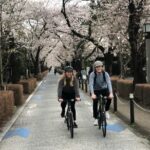
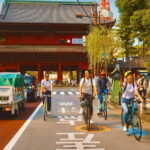
Tokyo turns fast on two wheels. In just 3 hours, this bike or e-bike loop strings together famous sights and calmer pockets of Tokyo, with an English-speaking local guide who explains what you’re seeing as you ride. The route has a mix of parks, palace areas, station-zone bustle, and a big finish in Shibuya-land.
What I like most is the combo of guides who actually manage the ride and the solid bike setup. I saw names like Tam, Atsu, KJ, Naoki, and Keiji come up in guide credits, and the common thread is the same: they keep the group moving at a realistic pace and answer questions like you’re on a day with a friend. Second, the bikes feel ready to work: cross bikes from Bianchi or Fuji (or an e-bike if you pick that option), plus a mini pouch on the bike for your phone, wallet, and keys.
One thing to think about: this is not a slow “carriage tour.” You’ll be switching between sidewalks and road sections, and it can feel a bit stressful if you’re not comfortable riding near traffic, even with a safety-focused guide. Also, helmets are not included (they’re available on-site for a cash add-on), so factor that in.
In This Review
- Key Highlights That Matter
- Why This Tokyo Bike Tour Works Better Than Trying to DIY
- Meeting at the Commodore Perry Statue: Your Starting Point Is Simple
- The Temple-to-Palace Stretch: Zojo-ji to the Imperial Palace Area
- Tokyo Station and the Big Gates: Finding the City’s Power Lines
- Akasaka Palace Grounds to New National Stadium: Modern Tokyo in Context
- The Scheduled “Hidden Gem” Stop: Why One Extra Detour Helps
- Aoyama and Cat Street: Fashion Streets Between Big Landmarks
- Shibuya Crossing at the End: The Neon Payoff (Without the Stress)
- Bikes and E-Bikes: Choosing the Right Effort Level
- Safety and Traffic Reality: What to Expect (And How to Make It Easy)
- Price and Value: Is $45 Worth It
- Who This Tour Suits Best
- Should You Book This Tokyo 3-Hour Bike or E-Bike Tour?
- FAQ
- How long is the Tokyo bike or e-bike highlights tour?
- Where do I meet the guide?
- How much does the tour cost?
- What bike options are available?
- Is an English-speaking guide included?
- Are helmets included?
- Is there a child seat option?
- What should I bring?
- What is not allowed during the tour?
- Is the tour refundable if I need to cancel?
Key Highlights That Matter
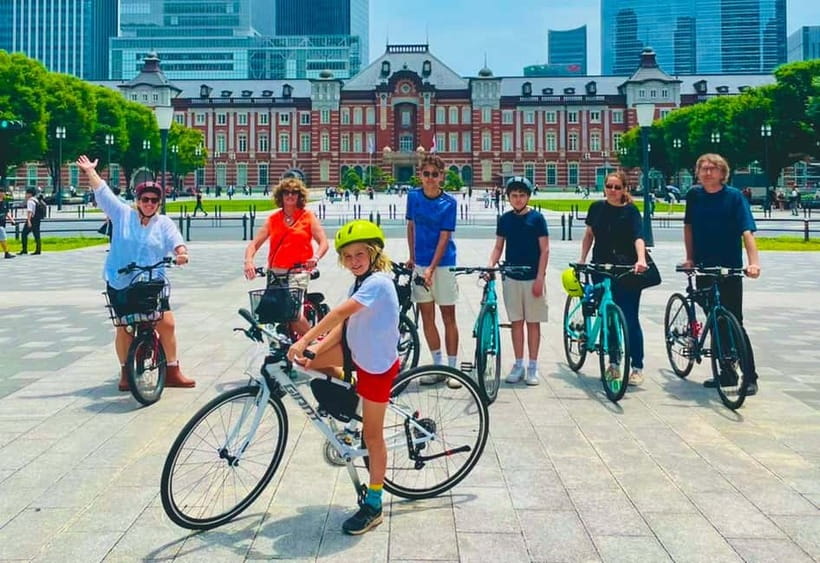
- Small-group pacing keeps you from feeling rushed while still covering a lot of ground
- Bianchi/Fuji bikes or e-bikes let you match the ride to your stamina
- English stories from the guide turn photo stops into real context
- Photo stops plus short guided visits help you see big landmarks efficiently
- Shiba Park to Shibuya gives you a clean “old Tokyo meets modern Tokyo” snapshot
- Safety-first management is a repeated theme across guide names and routes
Why This Tokyo Bike Tour Works Better Than Trying to DIY
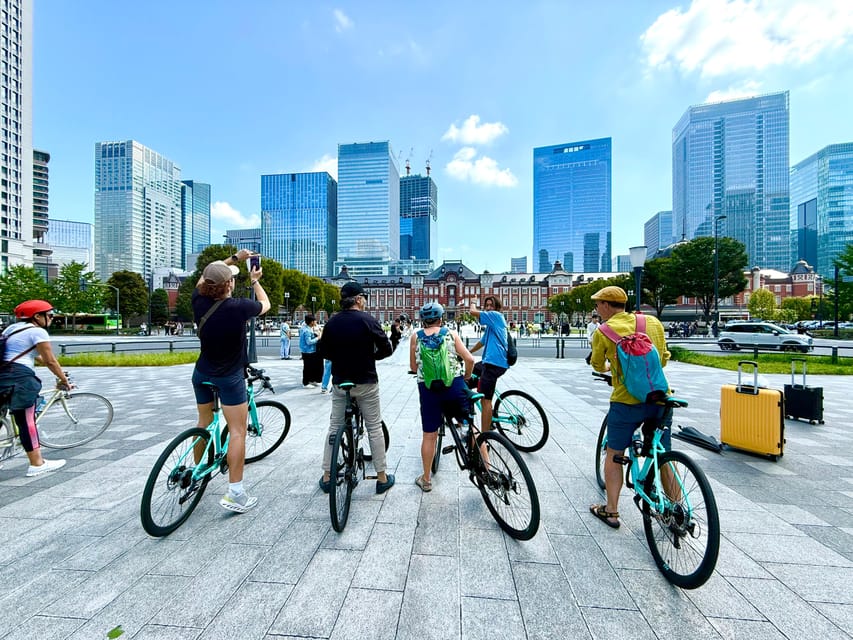
Tokyo is huge. Even if you know the stops you want, getting the route right while timing trains, crossings, and pickup points can eat half a day. This tour gives you a tight framework: ride for 3 hours, hit major icons, and still get enough stops to understand the city instead of just collecting photos.
You’re also getting a different view of Tokyo than walking. From street-level, cycling makes neighborhoods feel connected. It’s easier to notice the rhythm of side streets, the way parks sit between major roads, and how the city changes block by block. And when the guide points out what you’re passing, it clicks faster than reading signs alone.
You can also read our reviews of more tours and experiences in Tokyo.

Meeting at the Commodore Perry Statue: Your Starting Point Is Simple
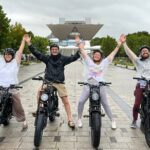
The meeting spot is around the statue of Commodore Perry, a short walk from Daimon Station (A6 exit). That matters because it’s one less thing to stress about when you’re juggling jet lag, subway transfers, and finding the exact corner.
Before you roll, expect the guide to get the group sorted and help with bike fit. Bring comfortable shoes and plan to carry water, since you’ll be moving through different zones without long indoor breaks. If you’re doing the e-bike option, this is also the moment to confirm how you want to pedal so the ride feels natural, not like you’re fighting a motor.
The Temple-to-Palace Stretch: Zojo-ji to the Imperial Palace Area
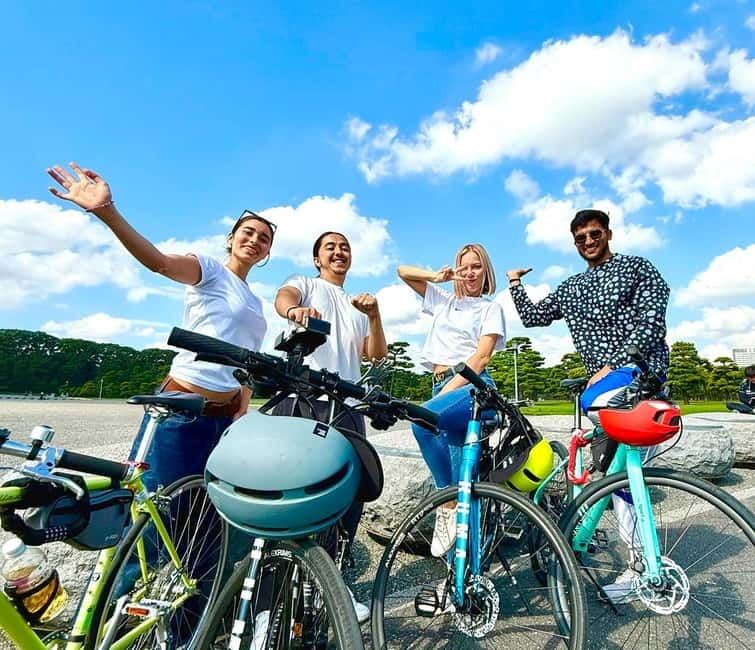
The ride kicks off with a photo start at the statue of Commodore Perry, which sets a historic anchor before Tokyo shifts into a more everyday rhythm. From there, the tour heads to Zojo-ji Temple for about a 15-minute guided stop, with time to photograph and walk through with your guide.
After that, you get a quick break at Hibiya Park. Even a short stop like this is useful in Tokyo cycling because it breaks the mental pace. Think of it as resetting your legs and letting the group tighten back up before the next busier chunk.
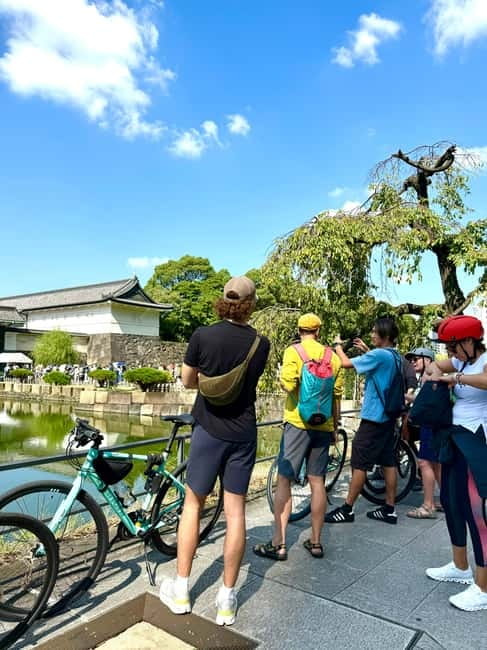
Then comes Tokyo Imperial Palace, another photo-and-guided stop (around 15 minutes). This kind of stop is about seeing Tokyo’s “official” side without spending hours on planning. It’s also a nice contrast to the temple area: both are iconic, but the mood feels different, and the ride helps you feel the transition.
Tokyo Station and the Big Gates: Finding the City’s Power Lines
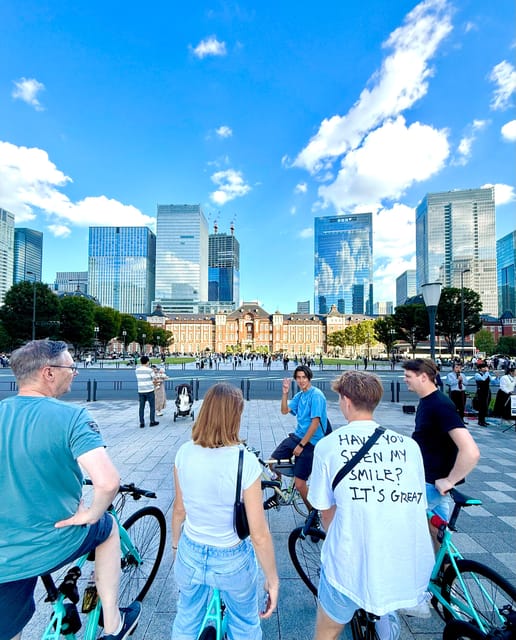
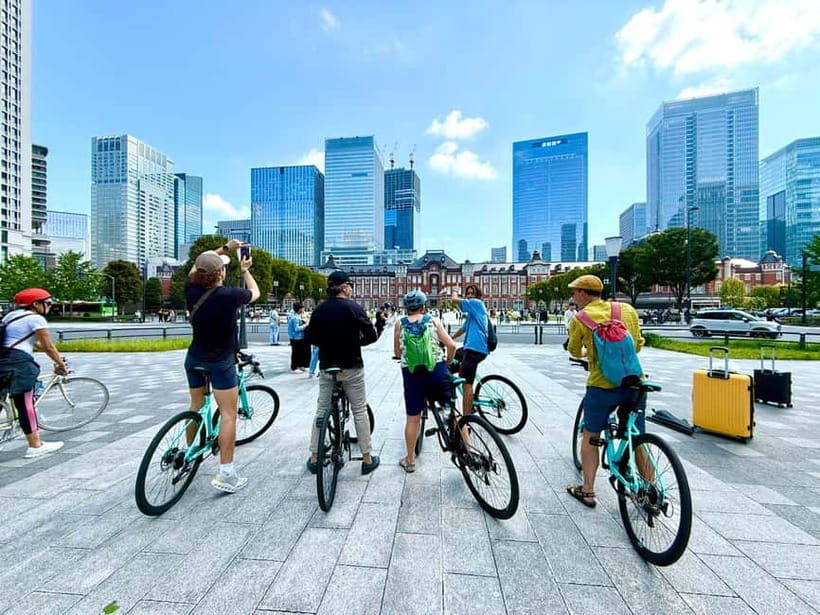
From the Imperial Palace area, the tour moves into the Tokyo Station zone for a 10-minute photo stop. Station areas can be confusing on foot, but from a bike, you get a clearer sense of where the city funnels people and traffic.
Next is the Ōte-mon Gate, with a shorter stop (about 5 minutes). Short stops like this can feel like “hit and go,” but they do something important: they keep the schedule moving so you still get time for the more human-scale stops later.
Then you reach Chidorigafuchi, which includes break time plus photo opportunities (around 5 minutes). Break time matters on a cycling tour because it lets you drink, re-check your gear, and get comfortable with the next traffic-adjacent sections.
Akasaka Palace Grounds to New National Stadium: Modern Tokyo in Context
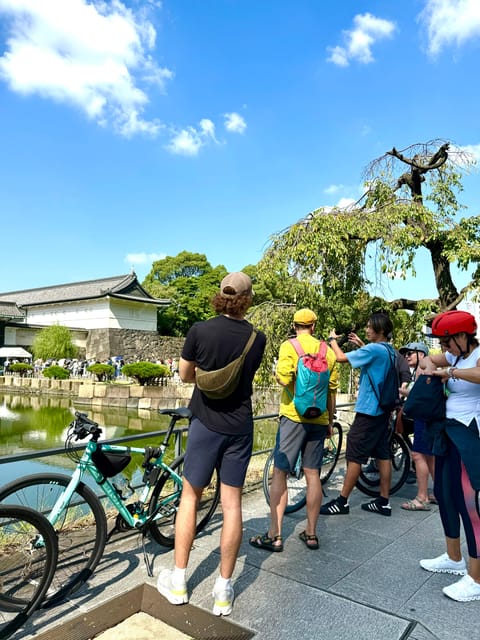
A big part of what makes this tour satisfying is the balance. You don’t just get gates and temples. You also get major modern landmarks threaded into the same ride.
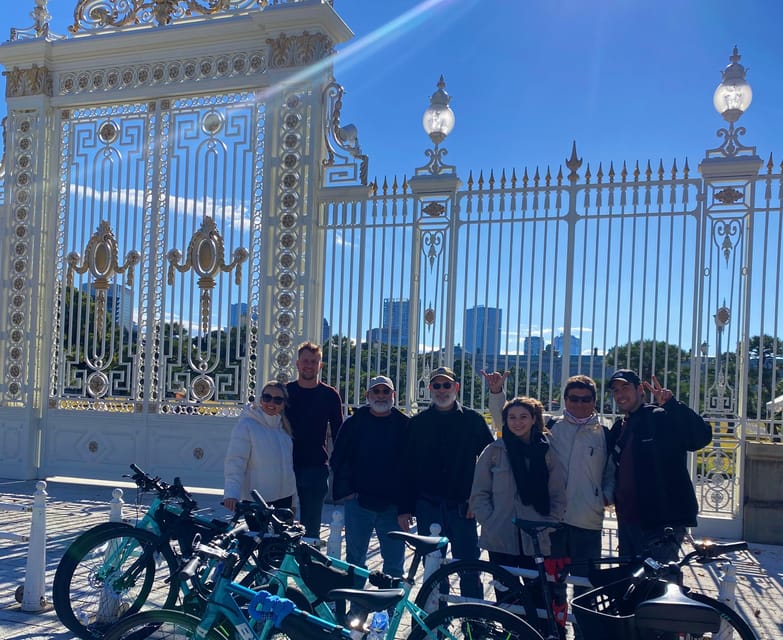
At State Guest House Akasaka Palace, you’ll have a photo stop around 10 minutes. The value here is pacing: you’re seeing a dramatic Tokyo “institution” from the outside without being stuck in a long ticketed experience.
Then you cycle toward New National Stadium, with another photo-and-visit stop (around 10 minutes). Even if sports aren’t your thing, it’s a useful stop for orientation. The stadium area helps you understand how Tokyo handles crowds and venue scale, and your guide’s stories can connect that scale to the city’s larger layout.

The Scheduled “Hidden Gem” Stop: Why One Extra Detour Helps
There’s a mid-tour hidden gem stop (about 15 minutes guided). It’s small on paper, but it’s big in practice because it breaks the pattern of only seeing the obvious icons. This is where you often pick up local hints—where to stroll later, what to eat nearby, or what to look for on your own.
In the reviews I’m seeing a lot of praise for guides who take this detour seriously. One recurring theme is that guides actively help the group settle into the ride, then use these stops to explain the city in plain language. That’s what turns a checklist tour into a “now I get it” experience.
Aoyama and Cat Street: Fashion Streets Between Big Landmarks
After the detour, the ride swings into Aoyama St. Grace Cathedral for a short sightseeing/photo stop (around 3 minutes). This is the kind of stop that works well on a bike tour because you can grab the visual impression fast and keep moving.
Then you’ll hit Cat Street (about 5 minutes). Cat Street is a great example of Tokyo’s neighborhood texture: it’s less about a single monumental site and more about street character. Even with a short visit, your guide can point out what makes the area feel different from the station-and-palace zones.
Shibuya Crossing at the End: The Neon Payoff (Without the Stress)
The tour builds toward Shibuya Crossing, with a longer photo-and-guided stop (about 10 minutes). This is the payoff zone where Tokyo’s modern identity is loud, visual, and instantly recognizable.
One review mentioned riding through Shibuya at night/evening for that neon mood, and it makes sense. Timing can matter here, and your guide will help you experience it without treating it like a theme park. The guided part helps too: you’ll know where to stand for photos and what the surrounding area signals about Tokyo’s street life.
After that, there’s a quick stop at Tower Records Shibuya (about 3 minutes). It’s short, but it’s a fun way to end the ride with a pop-culture snapshot.
Finally, you finish at the Bell of Peace. Finishing at a named landmark gives the tour a clean end point, which helps if you’re planning dinner right afterward.
Bikes and E-Bikes: Choosing the Right Effort Level
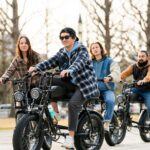
This tour offers high-quality cross bikes from Bianchi and Fuji, plus an e-bike option. That matters because cross bikes and e-bikes change the whole experience. On a regular bike, you’ll get a more physical workout and a stronger sense of speed. On an e-bike, you keep the freedom to enjoy stops instead of arriving wiped out.
Reviews also suggest the ride distance can land around 15–20 km, depending on how the route adjusts and how your group moves. If you cycle sometimes, a cross bike may feel fine. If you don’t cycle often—or you know your legs are going to be tired after travel—choose the e-bike. One reviewer specifically called out how the e-bikes helped with hills and made the tour enjoyable even after a long day.
If you do ride a non-electric bike, pay attention to the practical stuff: bring water, keep a steady pace, and don’t try to “win” at traffic lights. The guide’s job is to manage the group; your job is to ride smoothly and safely.
Safety and Traffic Reality: What to Expect (And How to Make It Easy)
This experience is designed to feel safe. The tour includes bike insurance, and the guides are consistently described as attentive to pacing and safety. Names that came up include Naoki, Atsu, Rinto, Miguel, and Kosei, and the recurring detail is that they check in on the group and respond to questions.
Still, Tokyo traffic exists. One review even suggested the road riding can be a little stressing if you weren’t expecting it. That’s a fair caution. Even when traffic is lighter at certain times, you’ll still be near real streets and you may transition between sidewalks and road sections.
To make it easier:
- Go with the e-bike if you’re unsure about stamina or comfort
- Wear shoes you can move in on and off the bike
- If you’re nervous, tell the guide early so they can adjust positioning and spacing
The tour isn’t for people who can’t ride a bike at all, and it also isn’t suitable for back problems, pregnancy, or children under 12. Those limits aren’t there to be strict; they’re there because cycling comfort affects everything—your safety and the group’s flow.
Price and Value: Is $45 Worth It
At $45 per person for 3 hours, the value depends on what you’d otherwise pay and plan.
Here’s what you’re getting for that price:
- A friendly, English-speaking local guide (plus Japanese as a second language)
- A high-quality bike (or an e-bike option)
- Local stories and route navigation so you’re not figuring out every turn
- A small on-bike pouch for phone/wallet/keys
- Bike insurance included
- Access that includes skip-the-ticket-line where applicable, plus guided stops at multiple landmarks
If you’re visiting for a first taste of Tokyo, this price often feels fair because it bundles guide brain + transportation + a timed hit-list. If you’re already confident building your own route, you might pay less doing it solo—but you’ll likely spend more time organizing the logistics and less time learning what matters at each stop.
Who This Tour Suits Best
This is a strong fit for you if you want:
- A fast way to get oriented in Tokyo without crisscrossing subway lines all day
- A mix of iconic sites and smaller street-level flavor
- A guide who can answer questions and explain what you’re passing
It’s especially useful on your early days. One reviewer advice was to do it early so you get a feel for the city quickly. I agree with that logic: once you’ve seen the key zones from a bike, your later planning gets easier.
It’s not the right choice if:
- You can’t ride a bike
- You need a fully seated, low-effort experience
- You have back issues or you’re pregnant
- You’re traveling with kids under 12
Should You Book This Tokyo 3-Hour Bike or E-Bike Tour?
If you want a practical Tokyo intro with real local context, I’d book it. The guide component is the main reason this works: people consistently mention guides like Naoki, Atsu, KJ, Tam, and Miguel, and the common theme is safety, pacing, and stories that connect the stops. Add the option for e-bikes and you’ve got flexibility for different fitness levels.
Just go in with the right mindset. This is a ride through Tokyo streets, not a slow sightseeing van. If you’re comfortable cycling and you bring water and good shoes, you’ll get a lot out of the 3 hours. If you’re on the fence about comfort, choose the e-bike and enjoy the city instead of negotiating your legs.
FAQ
How long is the Tokyo bike or e-bike highlights tour?
It runs for 3 hours.
Where do I meet the guide?
Meet at the statue of Commodore Perry. The guide is waiting around there, about a 3-minute walk from Daimon Station A6 exit.
How much does the tour cost?
The price is $45 per person.
What bike options are available?
You can choose high-quality cross bikes (Bianchi and Fuji) or select an e-bike option.
Is an English-speaking guide included?
Yes. The tour includes a live tour guide who speaks English (and Japanese as well).
Are helmets included?
No. Helmets are available on-site for an additional fee of +¥1,000 per unit (cash).
Is there a child seat option?
A child seat is available for an additional fee of +¥3,000 per unit.
What should I bring?
Bring comfortable shoes, water, and comfortable clothes.
What is not allowed during the tour?
Smoking, alcohol and drugs, and littering are not allowed.
Is the tour refundable if I need to cancel?
Yes. You can cancel up to 24 hours in advance for a full refund.