REVIEW · TOKYO
Tokyo: Discover Traditional Tokyo Full-Day Bicycle Tour
Book on GetYourGuide →Operated by BREZZA · Bookable on GetYourGuide
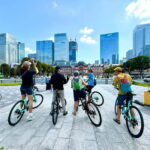
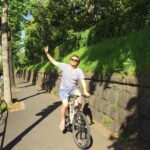
Tokyo turns into a different city on two wheels. This full-day bike tour keeps things easy on the legs while you glide from neighborhoods like Ginza to quieter old-town streets. I like how the pace feels built for sightseeing, not for suffering.
Two things make this ride stand out. First, you cover serious ground (about 20 kilometers) on mostly flat roads, so you get a real overview without the stop-and-go hassle of trains and walking. Second, the guide experience is a big part of the value: in the best runs, guides like Hiro and Brezza bring the stories to life, often pairing landmarks with thoughtful food stops like matcha and pastries.
One consideration: you’ll be on a compact bike (about 20 inches), and Tokyo parking is tight. If you’re on the taller side or picky about bike fit, it’s worth checking that the bike size will work for you before you book.
In This Review
- Key highlights worth pedaling toward
- Why cycling 20 kilometers is a smart way to read Tokyo
- Starting at Mori Tower Toranomon Hills without the stress
- The bikes are compact for Tokyo parking (plan accordingly)
- Hibiya Park and Ginza: classic Tokyo, seen at cyclist speed
- Kabukiza theater and Tsukiji fish market: the cultural and culinary side
- Shrines and temples: short stops that give you context
- Kachidoki Bridge and the old-town ride to Tsukudajima/Tsukishima
- Imperial Palace area and Tokyo Station: two big anchors, one moving perspective
- Snacks, tea-time, and the small-group rhythm
- Price and value: why $99 can make sense here
- Who should book this bike tour in Tokyo
- Final call: should you book this Tokyo bicycle tour?
- FAQ
- How long is the Tokyo bicycle tour?
- How far do we ride?
- Is the route mostly flat?
- What’s included in the price?
- Do you pick me up from my hotel?
- Where do I meet the guide?
- How do I get there using public transit?
- What bike size should I expect?
Key highlights worth pedaling toward
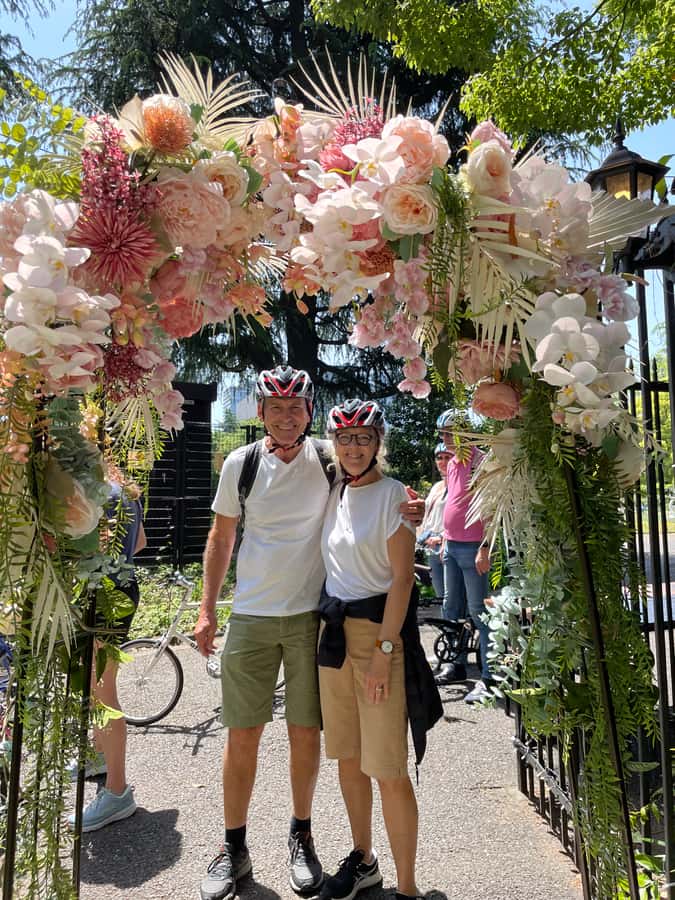
- A mostly-flat, 20 km route that still feels like a full Tokyo day
- Small group (up to 8), which makes stops smoother and safer
- Landmarks plus local streets, from Ginza to Tsukudajima/Tsukishima
- Tea-time and snack breaks built into the rhythm of the tour
- Big-city icons from a cyclist’s angle, including Tokyo Station and the Imperial Palace area
- Helpful guide touches that keep you together and keep the energy up
Why cycling 20 kilometers is a smart way to read Tokyo
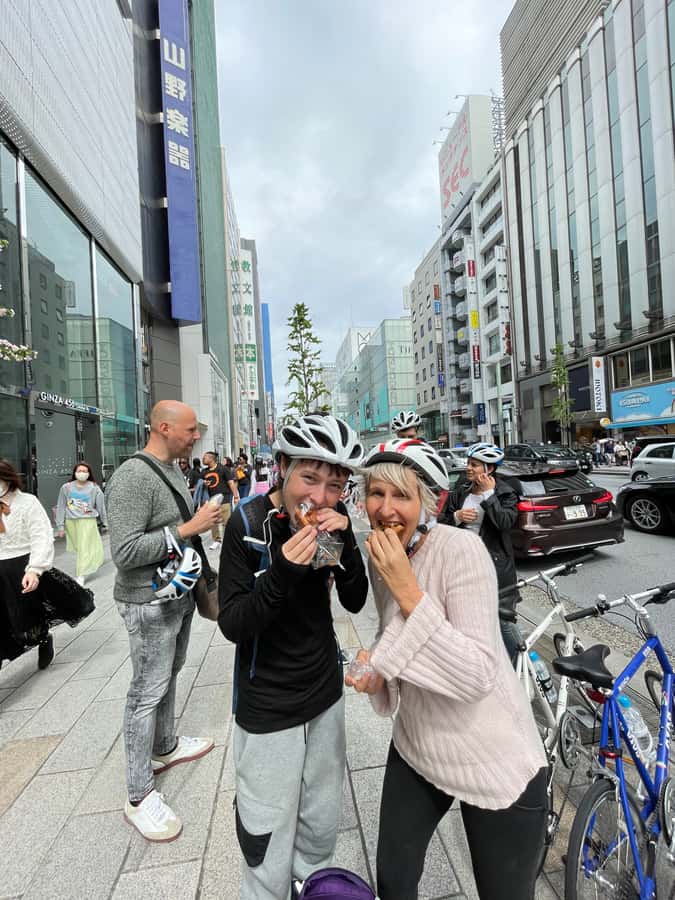
Tokyo is huge, and your feet can run out fast. This tour is designed around a practical idea: see a lot of the city in a single outing, while keeping the effort manageable. You ride about 20 km, but it’s the layout that makes it work. Most roads are flat, and the pace stays relaxed enough to actually look around.
The route also blends “wow” sights with everyday Tokyo scenes. You’re not just chasing a checklist. You’re moving through the city the way locals do between districts, so you pick up the feel of different neighborhoods without doing full-day, site-by-site walking.
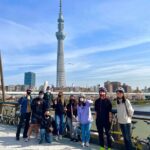
And then there’s the small-group factor. Up to 8 people means you’re more likely to stay on the plan, hear the guide clearly, and regroup easily at busy intersections. In a city as dense as Tokyo, that matters more than you’d think.
You can also read our reviews of more tours and experiences in Tokyo.

Starting at Mori Tower Toranomon Hills without the stress
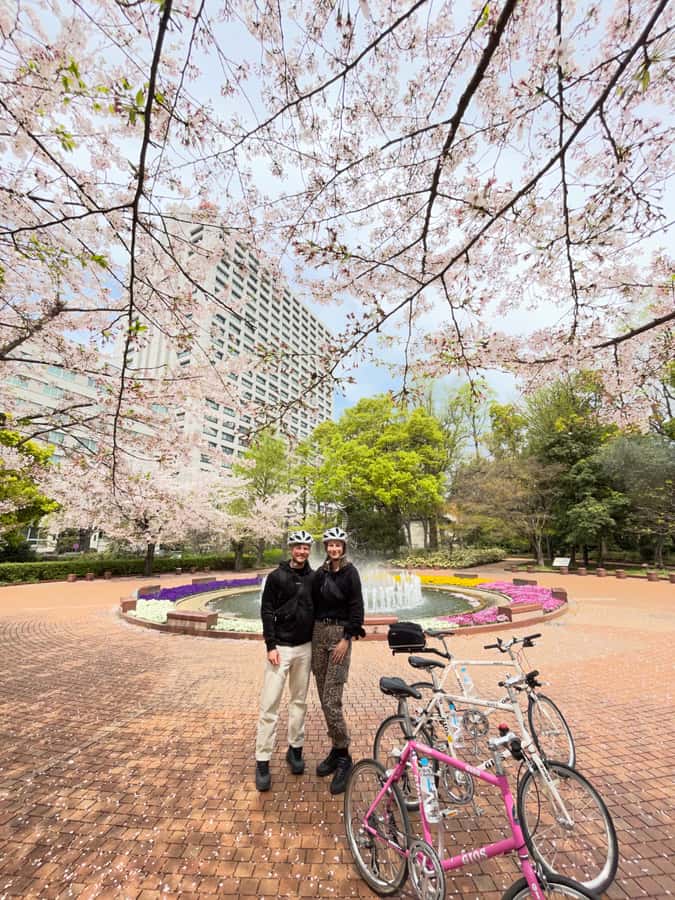
The meeting point is in Toranomon Hills, at Mori Tower Toranomon Hills Building. You’ll meet your guide in the lobby in front of the flower shop on the 3rd floor. You’ll ride out from one of those places that feels easy to find on a map once you’re oriented, and it’s also well connected by train.
If you’re using the Ginza Line, plan to enter via Toranomon Station exits B1 or B6. If you’re on the Hibiya Line, Mori Tower Toranomon Hills is directly connected to Toranomon Hills Station, so you can avoid a bunch of street-level wandering before the tour starts.
No hotel pickup is included, so you’ll want to build in a little buffer to get to the meeting point comfortably. Think of it as part of the adventure: you start in a modern business area, then shift into older Tokyo as the ride continues.
The bikes are compact for Tokyo parking (plan accordingly)
One detail that affects comfort: the bikes are small, around 20 inches. Tokyo bike parking lots are narrow, so the provider uses smaller bikes that fit the real-world infrastructure.
For many riders, this is fine, even for families. Reviews highlight well-maintained bikes that can fit a range of heights and ages, and guides like Hiro are often described as careful about matching the right bike to the rider. Still, if you’re tall or you hate cramped bikes, it’s smart to confirm that the bike size will feel stable and comfortable for your body.
Helmet is included, and gloves are provided in winter season. You’ll get your gear and an explanation of the bike and local traffic rules after meeting your guide, which is the right way to start in a city where cycling etiquette matters.
Hibiya Park and Ginza: classic Tokyo, seen at cyclist speed
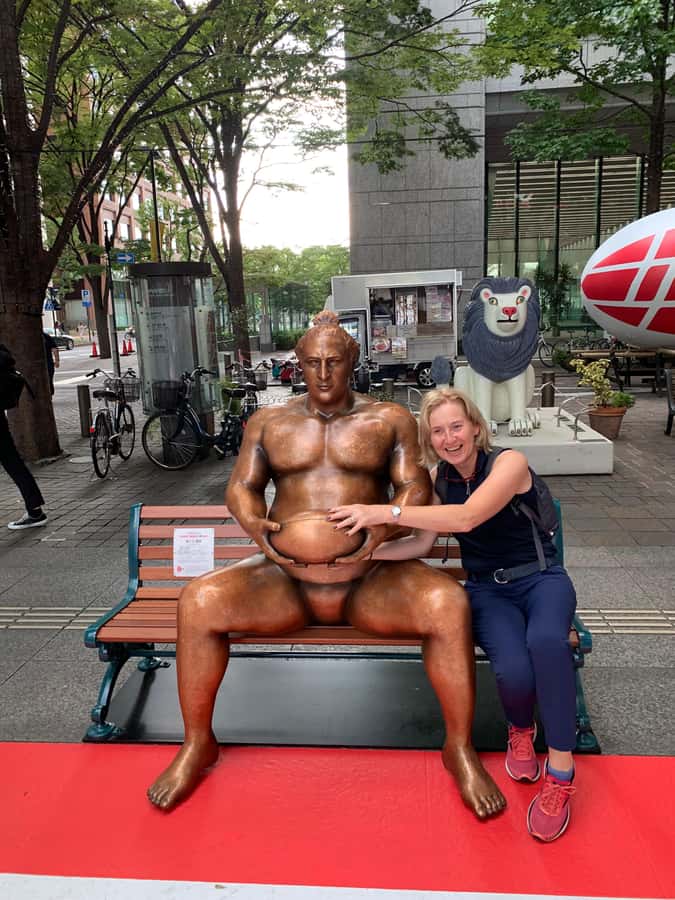
Hibiya Park is a good early stop because it gives you a reset from traffic. Parks in Tokyo can feel like a pocket of calm, and starting there helps you settle into the ride. It’s also a strong introduction to how Tokyo mixes big-city energy with green space.
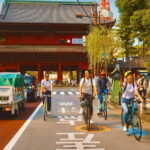
From there, you roll into Ginza, Tokyo’s famous shopping district. Ginza can be overwhelming on foot, especially if you’re trying to look at storefronts, streets, and crowds at once. On a bicycle, you get motion without getting stuck in gridlock lines. You can see storefront styles, street geometry, and the rhythm of the neighborhood while still having your guide nearby to point out what you’re actually looking at.
This part of the tour is also where you get a feel for Tokyo as a planned city. Wide streets give way to smaller lanes, and you start learning the pattern: major districts anchor you, then side streets add character.
Kabukiza theater and Tsukiji fish market: the cultural and culinary side
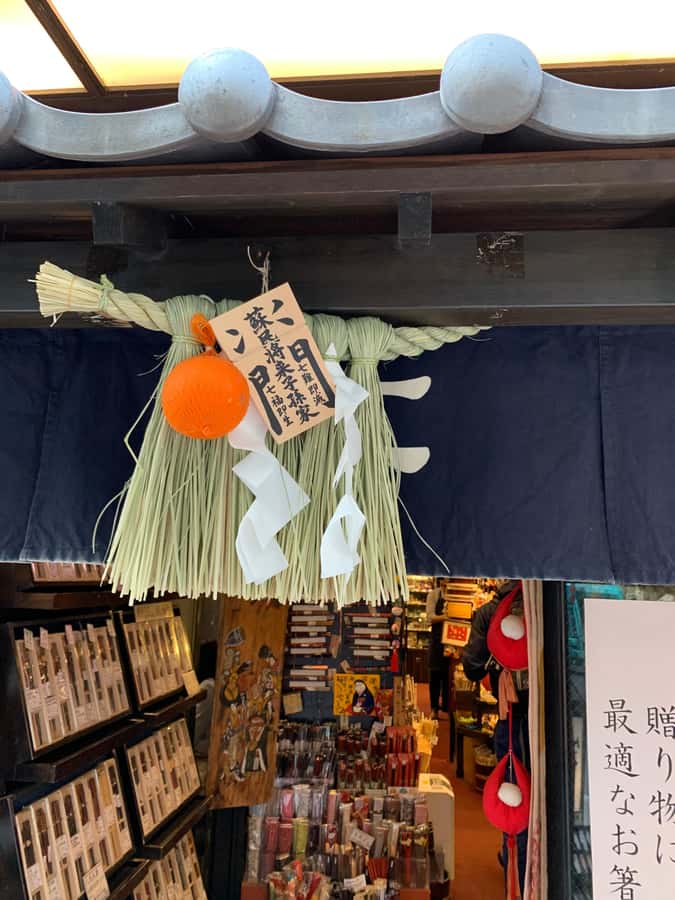
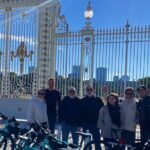
Kabukiza theater is one of those Tokyo landmarks that feels instantly recognizable, even if you’ve never attended a performance. Seeing it from the road gives you a sense of scale, and your guide can connect it to the surrounding district so it doesn’t feel like just a photo stop.
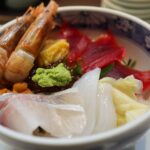
Then comes Tsukiji fish market. Even if you’re not focused on seafood, Tsukiji is a sensory lesson in how Tokyo markets work. Expect energy, stalls, and a constant sense of motion. This is also the part of the ride where it helps to have a guide who can keep the group moving without turning the experience into a rushed line.
Food and tea fit naturally here. The tour includes teatime confectionery and a light snack, and in practice guides sometimes add treats that guests talk about fondly, like matcha tea and pastries. It’s the kind of break that makes a long day feel doable instead of exhausting.

Shrines and temples: short stops that give you context
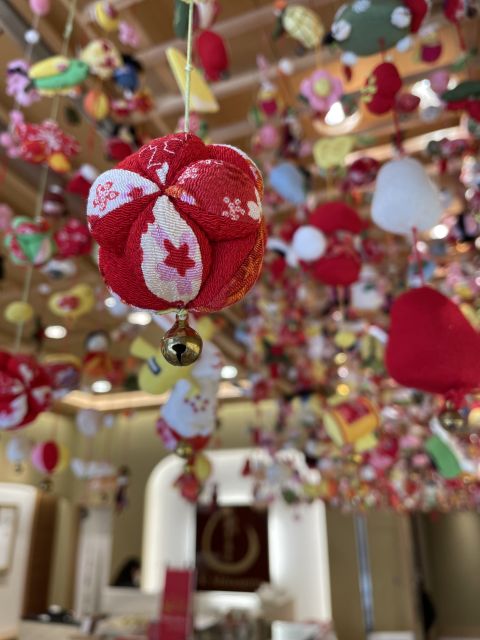
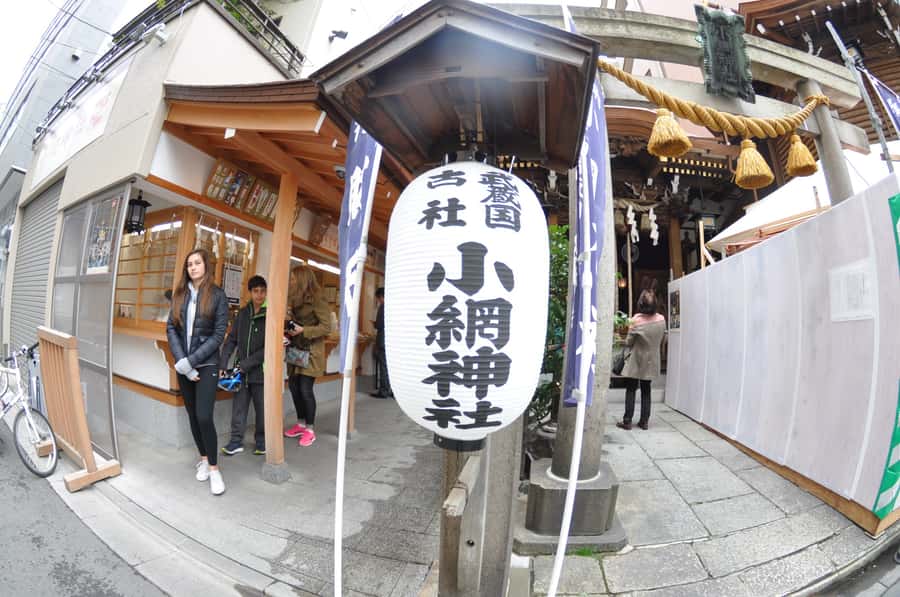
Tokyo’s religious sites aren’t only about architecture. They’re about location, patterns, and how people actually use sacred spaces in daily life. During this tour, you’ll visit temples and shrines, and the value is in learning what to notice while you’re there.
You’ll also get the benefit of pacing. Walking through religious sites can take time, and you can miss the connections between places. On a bike tour, the timing tends to be tighter: you stop, you look, you get the story, and then you move on before the crowds or heat overwhelm you.
If you’re the type who likes to understand meaning rather than just snap pictures, this section is one of the better uses of your time in Tokyo. A good guide turns what looks similar at first glance into places you can actually differentiate.
Kachidoki Bridge and the old-town ride to Tsukudajima/Tsukishima
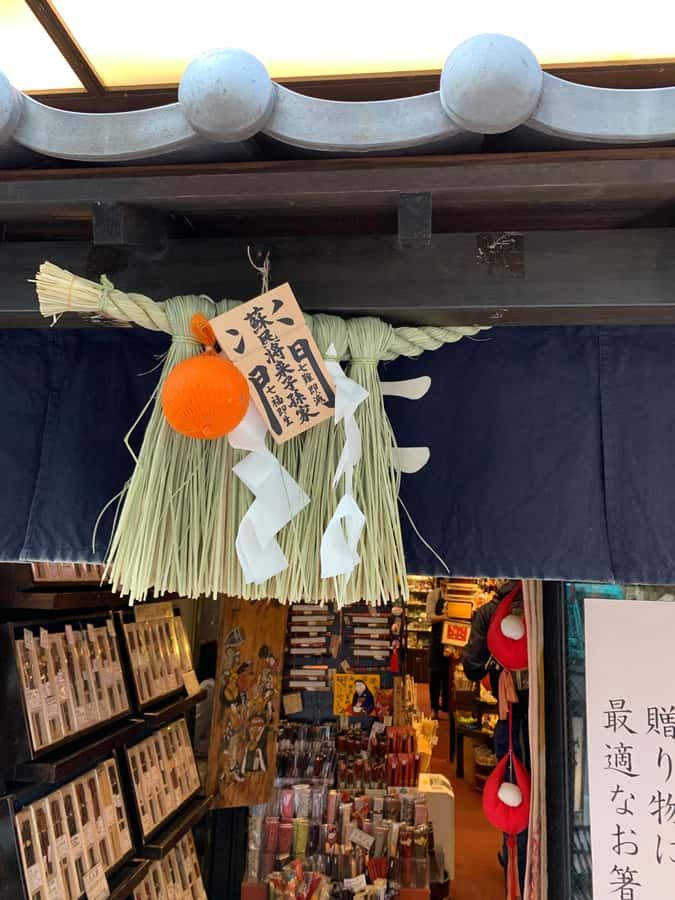
Bridges are great on bikes because they change your perspective fast. Kachidoki Bridge gives you that in-between view where Tokyo feels both dense and navigable. You’ll be looking across waterways and city lines instead of just street walls, and it breaks up the day nicely.
Then you shift toward older Tokyo with Old town Tsukudajima and Tsukishima, including the Monja street area. This is the part of the tour that tends to feel like a real neighborhood rather than a themed sightseeing zone. Tokyo has plenty of places that look photogenic. These older areas tend to feel lived-in.
Why it matters: when you’re visiting for a short time, it’s easy to miss the city’s “in-between” layers. This ride tries to pull you away from only the biggest names and into the textures that make Tokyo feel like more than a postcard.
Imperial Palace area and Tokyo Station: two big anchors, one moving perspective
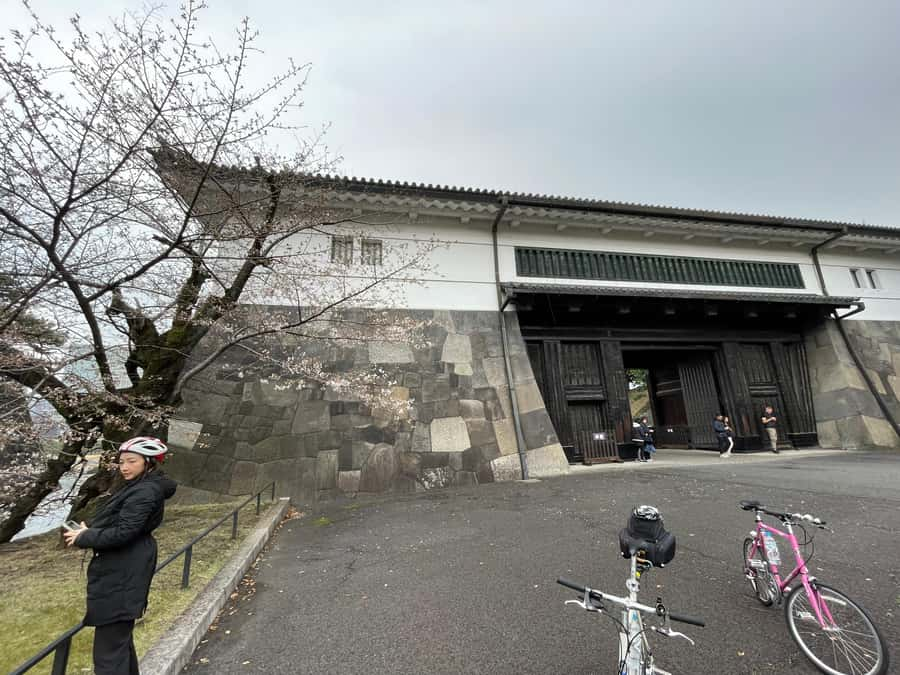
Next up, you’ll spend time around the Imperial Palace area. You’re not going for a long museum-style visit here; you’re soaking up scale and city planning from the perspective of someone actually traveling through Tokyo. That makes it easier to connect what you see to how the city is organized.
Then there’s Tokyo Station, another anchor that can feel like a landmark and a hub at the same time. From a bicycle, you see the approach angles and how streets feed into the station area. It’s a great way to understand Tokyo’s transport gravity without standing around for directions.
In short, these stops help you build a mental map. After a tour like this, it’s easier to navigate the city later because you’ve already felt how major points connect to surrounding districts.
Snacks, tea-time, and the small-group rhythm
This tour doesn’t just hand you a bike and send you off. Tea-time confectionary and a light snack are included, and the pacing is built around those breaks. That’s smart, because Tokyo days can swing from pleasant to sweaty quickly, and you don’t want to be burning energy just to wait for the next stop.
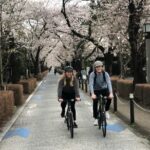
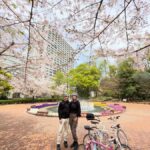
In the best versions of the tour, guides add extra touches that guests highlight—like matcha tea and pastries, and even more structured snack breaks with something like a picnic-style moment. One guest described sitting under a Sakura tree during a snack break, and that kind of pause is exactly why the ride feels relaxed instead of like an athletic event.
Guides also tend to manage safety in a practical way. You’re usually given clear guidance on rules, and the route is designed around side streets and parks as much as possible. That helps you avoid the most stressful feeling parts of the city.
Price and value: why $99 can make sense here
At $99 per person for about 4.5 hours and around 20 km, this tour can be good value if you want coverage and low friction. You’re paying for three things at once: a bike, an English-speaking (and Japanese-capable) guide, and planned stops with snacks and tea-time treats.
If you were to DIY this route, you’d still need bike rental, time figuring out traffic rules, and a plan for breaks and landmark sequencing. For many people, the guide saves more time than it costs, especially on the first couple days in Tokyo.
Also, the small group up to 8 improves the experience. It’s not only comfort. It’s easier to stay together, easier to hear explanations, and easier to manage quick pauses for photos or rest.
One tradeoff: hotel pickup isn’t included, so you’ll pay with time to get to the meeting point on your own. Still, if you’re comfortable using train stations, it’s a reasonable setup.
Who should book this bike tour in Tokyo
This tour fits best if you want a practical overview and you like the idea of moving through the city rather than staying in one neighborhood all day.
You’ll probably enjoy it most if:
- you want to see major landmarks plus older districts in one outing
- you like snack-and-story pacing more than strict museum time
- you’re traveling with teens or older kids who don’t want to sit through long temple tours
- you want an easier way to handle Tokyo’s scale right after you arrive
It may be less ideal if:
- you hate cycling or worry you won’t handle sustained riding for about 4.5 hours
- you have very specific bike-fit needs, since the bikes are compact (around 20 inches)
- you prefer deep, slow visits where you spend a long time inside one site
Final call: should you book this Tokyo bicycle tour?
I’d book this if your goal is a strong first snapshot of Tokyo with manageable effort. The mostly-flat ride, the small group size, and the included tea-and-snack rhythm make it feel like a day planned for real humans, not just fast travelers.
I’d hold back if you’re uncertain about the bike fit or you’re looking for a slow, sit-down, full-length deep history experience. For that, you’d likely want something more site-focused.
If you can handle 4.5 hours on a compact bike, this is one of the smartest ways to get oriented in Tokyo and still enjoy the ride.
FAQ
How long is the Tokyo bicycle tour?
The tour runs for about 4.5 hours.
How far do we ride?
The full ride length is about 20 kilometers.
Is the route mostly flat?
Most of the roads are flat, and the tour is paced for an easy ride.
What’s included in the price?
You get a bicycle and helmet, plus gloves in winter season. There’s also teatime confectionery, a light snack, and an English-speaking guide.
Do you pick me up from my hotel?
No. Hotel pickup and drop-off are not included.
Where do I meet the guide?
Meet in the lobby of Mori Tower Toranomon Hills Building on the 3rd floor, in front of the flower shop. The tour ends back at the meeting point.
How do I get there using public transit?
If you’re using the Ginza Line, use Toranomon Station exits B1 or B6. If you’re using the Hibiya Line, Mori Tower Toranomon Hills is directly connected to Toranomon Hills Station.
What bike size should I expect?
The bicycles are small, about 20 inches, because parking lots in Tokyo are narrow.